




The Fiery and the Funky
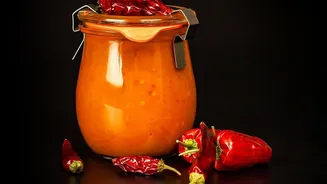
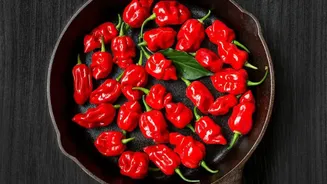
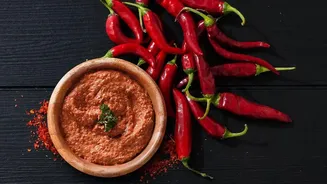
Two stars are at the heart of this culinary shift: Bhut Jolokia and traditional fermented condiments. Bhut Jolokia, or the ghost pepper, was recognised in 2007 as the world's hottest chilli, packing a punch of over one million Scoville Heat Units. Native
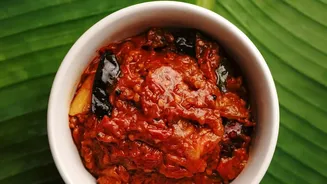
to states like Assam and Nagaland, it's not just about raw heat; it possesses a distinct smoky and almost fruity flavour that adds incredible depth to dishes. For centuries, it has been a staple in local households, used in chutneys, curries, and even as a remedy for stomach ailments. Alongside this fiery icon are the complex, umami-rich flavours of fermented products. Ingredients like 'axone' or 'akhuni' (fermented soybeans) and fermented bamboo shoots have been central to Naga and other regional cuisines for generations. Often described as pungent or even 'stinky' by the uninitiated, these condiments provide a savoury depth that is hard to replicate, a flavour profile that is now finding its way into the modern culinary landscape.
From Tradition to Trend
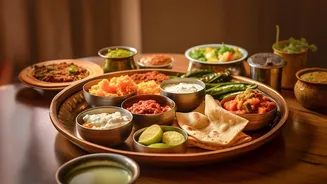
For years, the potent aromas and intense flavours of Northeast Indian food were often misunderstood, sometimes leading to discrimination against migrants cooking their traditional meals in big cities. However, a new generation of chefs and entrepreneurs, many of whom hail from the Northeast, are now proudly championing these ingredients. In cities like Delhi, Bengaluru, and Mumbai, dedicated Naga restaurants and delivery kitchens have boomed, moving from niche community spots to celebrated foodie destinations. This growing popularity has paved the way for more mainstream cafes and modern Indian restaurants to experiment. Chefs are creatively incorporating these flavours in ways that are both authentic and accessible. It's a movement driven by a desire to showcase culinary heritage and offer patrons a taste of something genuinely different from the standard cafe fare.
On the Menu: A New Adventure
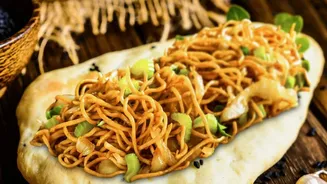
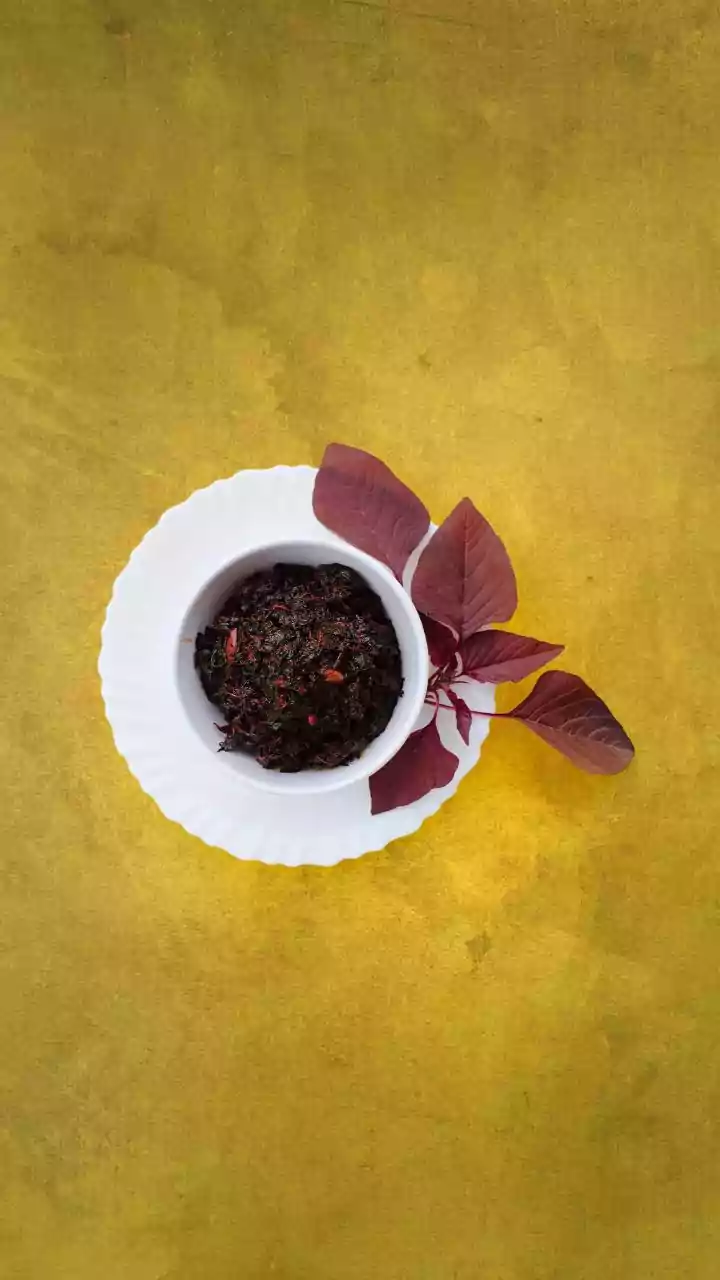
So, what does this trend look like on a plate? It’s more than just adding a sliver of chilli to a dish. Some cafes are using Bhut Jolokia to create fiery hot sauces for burgers and sandwiches, or infusing it into oils to drizzle over pizzas. One cafe in Kozhikode features a 'Jolokia Chicken Steak' for serious spice lovers. In Assam, a local brand has even created a Bhut Jolokia-infused tea. Fermented flavours are also being introduced in innovative ways. Chef Tanisha Phanbuh, for instance, has created an 'axone salt' that acts as an umami-rich seasoning, making the flavour more approachable for newcomers. Others are using fermented bamboo shoots in rich, smoky pork and chicken curries, which are served as hearty main courses that go beyond typical cafe snacks. The goal is often to balance the intensity of these ingredients, pairing them with familiar formats to create a dish that is both exciting and palatable for a wider audience.
A Bridge Between Cultures
This embrace of Northeastern ingredients is more than just a fleeting food trend; it represents a significant cultural shift. It marks a growing curiosity and appreciation within India for its own vast and diverse culinary traditions. As diners become more adventurous, they are seeking out regional flavours that tell a story. By putting Bhut Jolokia and axone on the menu, urban cafes are not just diversifying their offerings; they are acting as cultural bridges. They are helping to dismantle old prejudices and celebrate the rich, complex, and delicious heritage of Northeast India. This trend fosters a deeper connection to the country's food landscape, proving that sustainability and tradition, which have been cornerstones of Northeastern cooking for centuries, hold valuable lessons for the modern food world.