







Why Kaziranga is a Unique Sanctuary
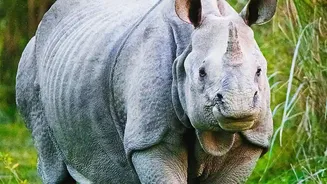
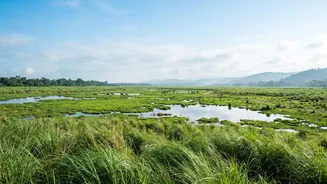
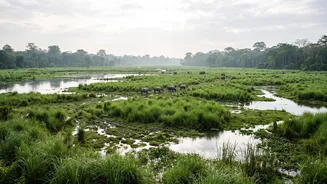
Kaziranga National Park, a UNESCO World Heritage Site, is one of the last truly wild domains in eastern India. Spanning across the floodplains of the Brahmaputra River, its landscape is a vibrant mosaic of tall elephant grass, sprawling wetlands, and dense
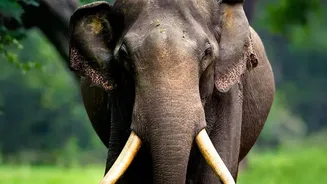
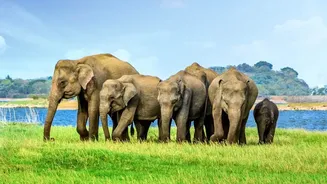
forests. This rich ecosystem not only supports the world's largest population of the Indian one-horned rhinoceros but also a significant population of Asiatic elephants, making it one of the most critical elephant landscapes in the country. The park's remarkable biodiversity conservation has allowed these gentle giants to thrive, offering a glimpse into a world where nature remains supreme. Combining this with its status as an Important Bird Area, Kaziranga offers a dual spectacle for any nature lover.
The Elephant Safari: An Intimate Encounter
For a truly immersive experience, the elephant safari is unparalleled. These safaris are conducted in the early morning, often between 5:30 AM and 7:30 AM, when the forest is waking up. Riding on elephant-back allows you to traverse the tall grasslands and marshy areas that are inaccessible to jeeps. This provides a unique, elevated vantage point, perfect for spotting wildlife that might otherwise be hidden. The quiet, deliberate pace of the elephant ensures minimal disturbance to other animals, allowing for exceptionally close and peaceful encounters with rhinos, deer, and of course, other wild elephant herds. It is a serene and timeless way to connect with the park's inhabitants, making it a favourite for photographers and those seeking a gentle adventure.
Jeep Safaris: Covering the Diverse Terrains
While elephant safaris offer intimacy, jeep safaris provide range and the ability to explore different zones of the park. Kaziranga is divided into four main ranges: the Central (Kohora), Western (Bagori), Eastern (Agaratoli), and Burapahar. Jeep safaris, which typically last around two hours, can cover larger distances, increasing your chances of spotting a wider variety of animals, including the park's majestic elephants. The Western Zone (Bagori) is particularly known for its high density of wildlife, offering fantastic opportunities to see large herds of elephants and rhinos together. Combining a morning elephant safari with an afternoon jeep safari is an excellent strategy to experience the full breadth of Kaziranga's wildlife.
A Paradise for Birdwatchers
Kaziranga is a haven for ornithologists and casual bird enthusiasts alike, with over 500 resident and migratory bird species. The park’s wetlands, grasslands, and forests create diverse habitats that attract an incredible variety of avian life. The Eastern Range (Agaratoli) is widely considered the best zone for birding due to its numerous water bodies, which attract migratory waterfowl, pelicans, and storks during the winter months. Key species to look out for include the Great Hornbill, Pallas's Fish Eagle, Swamp Francolin, and the endangered Bengal Florican. During winter (November to February), the park becomes a bustling hub for migratory birds from as far as Siberia and Europe, including the Bar-headed Goose and various ducks.
Planning Your Kaziranga Adventure
To make the most of your trip, planning is key. The best time to visit Kaziranga National Park is from November to April, when the weather is pleasant and the park is open to tourists. The park remains closed from May to October due to the monsoon floods. Safaris should be booked well in advance, especially during the peak season from December to February. You can book safaris online through official government portals or authorized tour operators. For the safari, wear comfortable, neutral-coloured clothing and bring essentials like binoculars for birdwatching, a good camera to capture the memories, and warm layers for the chilly early mornings.