
The Soul of the Wood
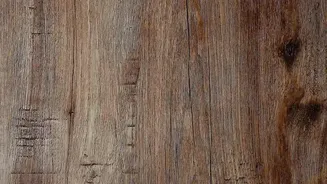
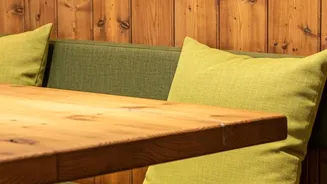
Those swirling, darker circles you see on a wooden tabletop or cabinet door are called knots, and they are far from being flaws. In fact, they are the signature of the tree’s life story. A knot is a natural feature formed where a branch once grew from the trunk.
As the tree matured, the wood fibres of the trunk grew around the base of the branch, creating the distinctive circular pattern we see in finished lumber. Each knot is a record of the tree's history, a mark of resilience against wind and weather. This is why many designers and homeowners celebrate them; they provide a direct connection to nature and imbue a piece of furniture with a sense of history and character that is impossible to manufacture.
A Tale of Two Knots
Not all knots are created equal. Craftsmen and woodworkers distinguish between two primary types: 'live' knots and 'dead' knots. A live knot, also called a tight knot, formed while the tree branch was still alive and growing. Its fibres are completely integrated with the surrounding wood, making it solid and stable. These are the knots celebrated for their beauty and are considered a sign of quality in rustic furniture. A dead knot, on the other hand, formed after a branch died and the tree grew around it. These knots can be loose and are sometimes surrounded by a dark ring, with a risk of falling out over time. Reputable furniture makers will either avoid using timber with dead knots in structurally important areas or stabilise them with techniques that ensure the piece remains durable and sound for years to come.
The Heart of Rustic Design
The rustic interior style is defined by its embrace of natural, unpretentious, and often aged materials. It favours the raw and the real over the polished and perfect, creating spaces that feel warm, grounded, and inviting. Knots are a cornerstone of this aesthetic. Along with the unique grain patterns and mineral streaks, they add texture, visual interest, and a story to the wood. A dining table with prominent knots feels more authentic and handcrafted, while a floorboard with these 'imperfections' adds a layer of lived-in comfort. This style is about celebrating the materials in their honest form, and the distinct patterns of knots are a key part of that charm.
The Laminate Imitation Game
Laminate surfaces have become a popular and budget-friendly alternative to solid wood. Using advanced printing technology, manufacturers can create a synthetic layer that photographically mimics the appearance of wood, complete with printed-on grain and knots. While high-quality laminate can look surprisingly convincing from a distance, it often lacks the depth and authenticity of the real thing. The pattern on laminate is repetitive; you might notice the same knot appearing over and over on a large surface. Furthermore, the texture is often uniform and doesn't align with the visual grain, missing the tactile warmth and unique feel of actual wood fibres. While practical for its scratch and heat resistance, laminate provides uniformity where natural wood offers uniqueness.
Choosing Character Over Conformity
Opting for furniture with visible knots is more than just a style choice; it’s an embrace of authenticity. In an age of digital perfection and flawless finishes, choosing an item with natural variations is a nod to craftsmanship and the beauty of the imperfect. Each piece of solid wood is one-of-a-kind, with its own arrangement of knots and grain that can never be exactly duplicated. This is the fundamental difference between an object with a soul and one that is simply a replica. While a piece of laminate furniture offers a consistent and clean look, a piece of rustic wood furniture offers character. The knots are not defects to be hidden but features to be highlighted, reminding us of the material's organic origin and its journey from a living tree to a cherished part of our home.