






Myth: AI Rejects Your Resume Instantly Based on Keywords
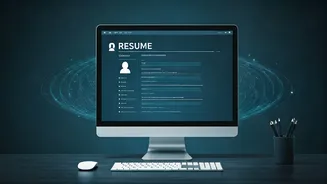
The belief that an algorithm immediately trashes your resume for missing a single keyword is one of the most persistent myths. The reality is more nuanced. Companies use Applicant Tracking Systems (ATS) to manage high volumes of applications. These systems
parse and rank resumes based on relevance to the job description, but they are more sophisticated than simple keyword-matchers. Modern AI-enhanced ATS tools can understand context, synonyms, and the relationship between skills. While a human recruiter ultimately makes the decision, your goal should be to create an 'ATS-friendly' resume that is clearly structured and tailored with relevant skills, not just to stuff it with keywords. Think of the ATS as a tool that helps recruiters prioritize, not one that makes the final call on its own.
Myth: AI Scores Your Body Language in Video Interviews
The idea of a bot analyzing your every blink and smile for 'confidence' is a major source of anxiety. While some platforms once claimed to analyze facial expressions and eye contact, this practice is largely discredited and has been abandoned by major players like HireVue. Research found these visual cues were poor predictors of job performance. Today, when AI is used in video interviews, it primarily analyzes what you say (your vocabulary, the substance of your answers) and how you say it (your speech patterns and clarity). The system scores your responses against a predetermined rubric for skills and competencies relevant to the role. So, instead of worrying about maintaining perfect eye contact with your webcam, focus on providing clear, thoughtful, and structured answers that showcase your expertise.
Myth: You Need AI to Write Your Resume to Compete
With the rise of generative AI, many candidates feel pressured to use tools like ChatGPT to write their resumes and cover letters. While these tools can be helpful for generating ideas or overcoming writer's block, relying on them completely can backfire. Recruiters report they can often tell when an application is entirely AI-generated, as it can sound generic or even exaggerate a candidate's skills. A major risk is that your application may end up sounding just like hundreds of others, robbing you of the chance to showcase your unique voice and personality. The best approach is a hybrid one: use AI as a starting point or a proofreader, but ensure the final product is authentic, personalized, and accurately reflects your own experience and accomplishments.
Myth: AI Has Made Hiring Completely Objective and Unbiased
In theory, using AI should make hiring fairer by focusing only on skills. However, this isn't always the case. AI systems learn from data, and if that historical hiring data contains human biases, the AI can learn and even amplify them. For example, if a company has historically hired more men for technical roles, an AI trained on that data might start to favor male candidates. Studies have shown that some AI hiring tools can introduce racial and gender bias. Companies and AI vendors are actively working to audit and mitigate these biases, but no system is perfect. Job seekers should know that while AI can reduce some forms of human bias, it's not a magic bullet for creating a perfectly objective process.
Myth: AI Makes the Final Hiring Decision
No, an algorithm is not deciding whether you get the job. AI's role in recruitment is to augment human decision-making, not replace it. AI tools are used for 'decision support'—they automate repetitive tasks like screening resumes, scheduling interviews, and handling initial candidate questions. This frees up recruiters to spend more time on the human elements of hiring, such as conducting in-depth interviews, assessing culture fit, and building relationships with top candidates. The final hiring choice is, and remains, a human one. An AI might rank you as a top match, but it's a person who evaluates that recommendation and decides to move you forward.