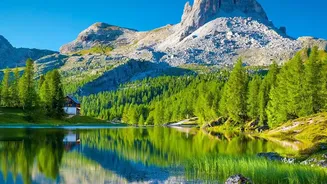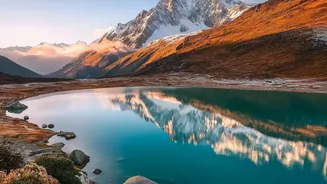

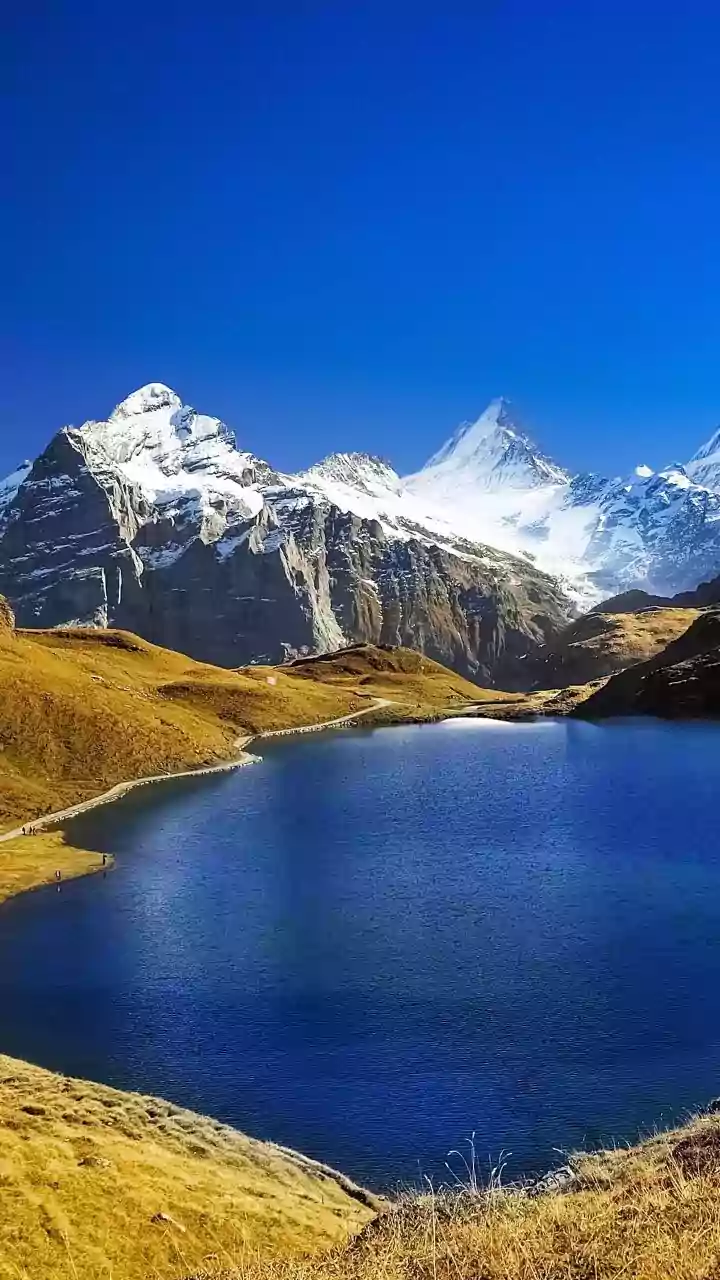
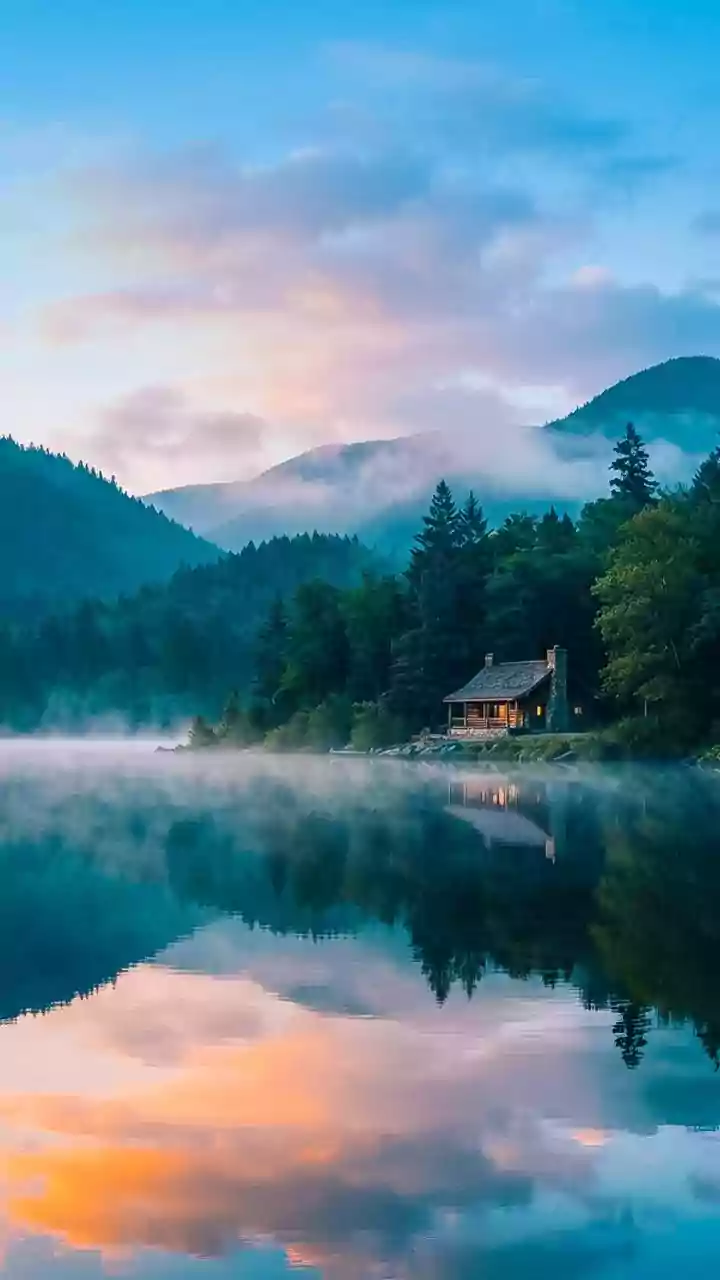
In the heart of Europe, Slovenia’s glacial lakes act as pristine mirrors, reflecting the jagged peaks of the Julian Alps. For photographers, this natural spectacle offers a rare chance to capture scenes of perfect, tranquil symmetry.
Two Lakes, Two Personalities
Slovenia's most famous
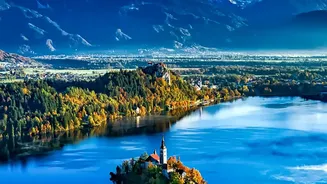
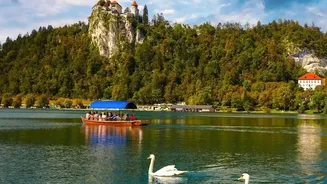
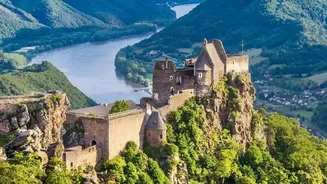
alpine jewels are Lake Bled and Lake Bohinj, located just a 30-minute drive from each other but offering vastly different experiences. Lake Bled is the iconic postcard image: a fairytale island with a church, a medieval castle perched on a cliff, and gentle hillsides. It’s polished, accessible, and endlessly photogenic, making it a must-visit for first-timers. Lake Bohinj, by contrast, is its wilder, more rugged sibling. As Slovenia's largest natural lake, it sits deep within Triglav National Park, framed by steep, imposing mountains that plunge directly into its clear, cold waters. Bohinj offers a sense of raw, untouched nature for those willing to explore its less-developed shores.
The Quest for the Perfect Shot
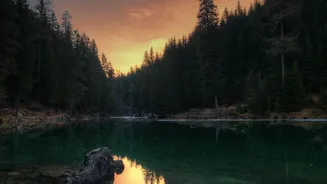
Achieving that coveted mirror-like reflection is an art that depends on two key factors: time and tranquility. The best moments are almost always during the 'golden hours' of sunrise and sunset, when the light is soft and warm. Early morning is particularly magical, as the air is often still, allowing the lake's surface to become perfectly glassy. This is also when you might be treated to ethereal morning mists rising from the water, adding another layer of atmosphere to your shots, especially in autumn. While Bled offers famous viewpoints like Ojstrica and Mala Osojnica for classic compositions, Bohinj rewards exploration. Its wilder shores around Ribčev Laz and Camp Zlatorog provide countless opportunities for unique angles on the surrounding peaks.
Seasonal Splendor for Photographers
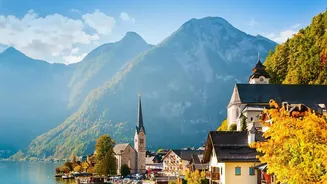
While beautiful year-round, Slovenia's photographic appeal transforms dramatically with the seasons. Spring brings lush, vibrant greens and snow-capped peaks, with waterfalls fed by snowmelt. Summer offers warm weather but can be busy with hazy conditions. For many photographers, autumn is the undisputed champion. From late September to early November, the forests surrounding the lakes erupt in a symphony of gold, copper, and crimson. This is also the prime season for the valley fog that creates those iconic images of churches and peaks floating above a sea of white. Winter offers its own stark beauty, with snow-covered landscapes and frozen waterfalls, though daylight hours are shorter.
Essential Photography Tips and Gear
To make the most of your trip, a few pieces of equipment and key techniques are invaluable. A sturdy tripod is essential for stability, especially during the low light of dawn and dusk. A polarising filter is a photographer's best friend here; it reduces glare from the water's surface, deepens colours, and makes the reflections pop. For camera settings, consider using a narrow aperture (like f/11 or higher) to ensure that both the landscape and its reflection are in sharp focus. Experiment with your shutter speed; a fast speed will freeze any ripples, while a long exposure, often requiring a neutral density (ND) filter, can smooth the water's surface for a dreamy, ethereal effect.
Beyond the Famous Two
While Bled and Bohinj are the headliners, Slovenia is dotted with other stunning bodies of water. Lake Jasna, near Kranjska Gora, offers crystal-clear waters and fantastic reflections of the Prisank and Razor mountains. In the heart of Triglav National Park, the Triglav Lakes Valley, also known as the Valley of the Seven Lakes, is a paradise for hikers and photographers who want to venture deeper into the alpine wilderness. For those seeking something truly different, the intermittent lakes like Lake Cerknica provide a unique spectacle as they appear and disappear depending on the season, attracting a huge variety of birdlife.