


A quality wool sweater or scarf is a winter staple, offering unmatched warmth and comfort. But one wrong move in the laundry can lead to a shrunken, misshapen tragedy. Proper care is the secret to making your favourite woollens last a lifetime.
To Wash, Or Not To Wash?
The first
rule of wool care is to wash less. Wool is a natural fibre with inherent anti-bacterial and odour-resistant properties. Unlike cotton or synthetic fabrics, it doesn’t need to be laundered after every wear. Often, simply airing out a sweater or scarf is enough to refresh it. You can hang your garment outdoors on a dry day or even in a steamy bathroom after a shower to help it breathe and release any odours. For small spills, spot-cleaning is your best friend. Gently dab the affected area with a damp cloth and a tiny amount of wool-safe soap, being careful not to rub the fabric. This targeted approach prevents the wear and tear of a full wash.
The Gentle Art of Washing
When a full wash is necessary, always check the care label first. If it says 'Hand Wash Only', fill a basin with lukewarm water (around 30°C) and add a mild, pH-neutral detergent designed specifically for wool. Regular detergents can be too harsh, stripping the natural oils from the fibres. Turn the garment inside out, submerge it, and let it soak for about 10 minutes. Gently squeeze the suds through the fabric, but never twist, wring, or rub it, as this can cause it to stretch or felt. Rinse thoroughly in water of the same temperature. Some modern washing machines have reliable wool cycles, which can be an option for machine-washable items; use a mesh laundry bag for extra protection.
Drying Without Disaster
How you dry wool is just as important as how you wash it. Never, ever hang a wet wool sweater or scarf. The weight of the water will stretch the fibres, causing the garment to lose its shape permanently. Also, avoid direct heat from sunlight or radiators, which can cause shrinkage and damage. The correct method is to dry it flat. After washing, gently squeeze out excess water, then lay the garment on a clean, dry towel. Roll the towel up with the sweater inside, pressing firmly to absorb more moisture. Unroll it, reshape the garment on a fresh, dry towel or a mesh drying rack, and let it air-dry completely.
Battling Pills and Bobbles
Pilling—those tiny, fuzzy balls that appear on the surface—is a natural result of friction and wear. While it doesn't mean your sweater is poor quality, removing pills correctly is key to keeping it looking new. The most effective and safest tool is an electric fabric shaver, which glides over the surface and trims off the bobbles without snagging the yarn underneath. For a more manual approach, a sweater comb or a pumice-like sweater stone can be used gently. Some people carefully use a disposable razor, but this requires a very light touch to avoid cutting the fabric. For just one or two stray pills, a small pair of scissors can be used to snip them off individually.
Smart Storage for Longevity
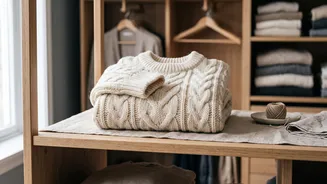
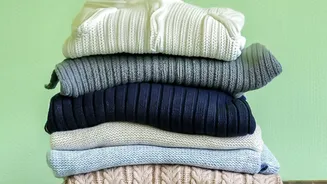
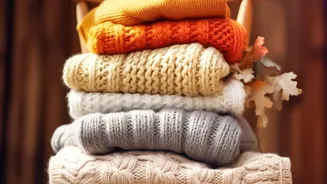
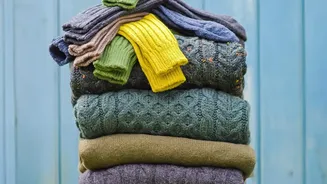
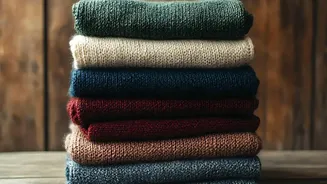
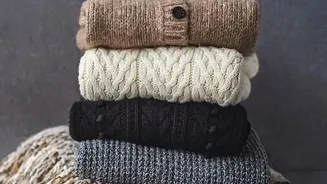
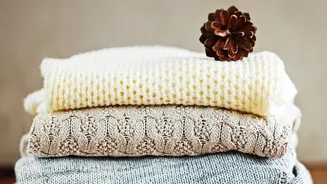
When the weather warms up, proper storage is essential to protect your woollens from pests, especially clothes moths. Moths are attracted to residual body oils and food stains, so always make sure every item is clean before storing it for the season. Fold your sweaters and scarves neatly; never store them on hangers, which can cause stretching and shoulder bumps. For protection, use breathable cotton storage bags or place items in a clean drawer. Avoid sealing wool in plastic bags, which can trap moisture and lead to mildew. To deter moths naturally, add cedar blocks or lavender sachets to your storage area. These are safer and smell much better than traditional mothballs.