






The Dawn of a New Space Age
For decades, the story of Indian space exploration was written almost exclusively by the Indian Space Research Organisation (ISRO). But the script is changing. A launch window between July and August 2026 is set for 'Mission Aagaman', or 'Arrival'—a fitting
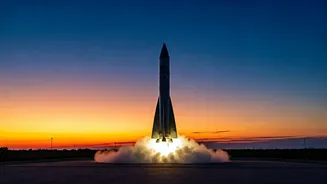
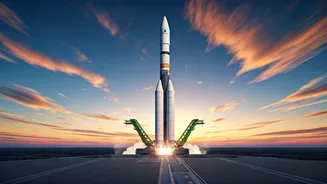
name for the maiden flight of Vikram-1. This launch from the Satish Dhawan Space Centre in Sriharikota isn't just another rocket soaring into the sky; it's the culmination of a strategic shift to open India's space sector to private enterprise. Developed by Skyroot Aerospace, a startup founded by former ISRO scientists Pawan Kumar Chandana and Naga Bharath Daka, Vikram-1 represents a pivotal moment where private innovation takes the launchpad, aiming to place India firmly on the global map of commercial spaceflight.
Meet Vikram-1: India's Private Workhorse
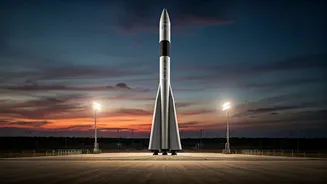
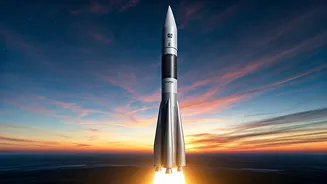
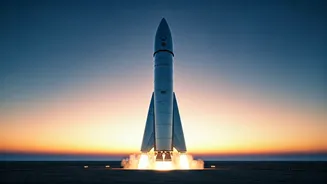
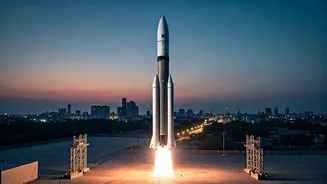
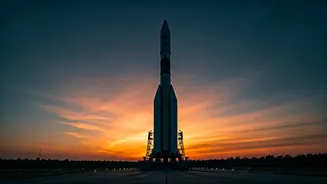
Named in honour of Dr. Vikram Sarabhai, the father of the Indian space programme, the Vikram-1 is a formidable piece of engineering. Standing as tall as a seven-storey building, this multi-stage rocket is designed for efficiency and speed. Built with an advanced all-carbon-fibre structure, it is lighter and stronger than traditional rockets. Its propulsion systems include 3D-printed engines, a cutting-edge technology that drastically reduces manufacturing time and cost. Vikram-1’s primary mission is to deliver small satellites, weighing up to 350 kg, into Low Earth Orbit. This capability is crucial, as the global demand for launching small satellites for communication, Earth observation, and data services is exploding. Skyroot isn't starting from scratch; the company already made history in November 2022 with Vikram-S, the first private rocket from Indian soil to complete a suborbital flight. Vikram-1 is the next, much larger leap—from a short hop to a sustained presence in orbit.
The Policy That Unlocked the Stars
This private rocket moment did not happen in a vacuum. It is the direct result of landmark government reforms initiated around 2020, designed to unleash the potential of the private sector in space. The establishment of IN-SPACe (Indian National Space Promotion and Authorisation Centre) created a single-window agency to facilitate and regulate the activities of private firms, giving them access to ISRO's world-class facilities and expertise. This strategic move transformed the landscape from an ISRO-led monopoly to a collaborative ecosystem. The goal is ambitious: to grow India’s share of the global space economy from its current 2% to a much larger slice. Projections estimate India’s space economy could rocket from around $8.4 billion today to over $44 billion by 2033, and private launch capabilities are the engine for that growth.
Why This Launch Matters to Everyone
A successful orbital launch by Skyroot will do more than just prove a technology; it will signal to the world that India is a competitive destination for commercial launch services. For Indian businesses, it opens up a cost-effective and reliable 'cab service' to space for their satellites, reducing dependence on foreign launch providers. Globally, it positions India as a key player in the multi-billion dollar small satellite launch market, currently dominated by a handful of players like SpaceX's Falcon 9. This mission, 'Aagaman', is a technology demonstration flight, but its success will pave the way for a regular cadence of commercial launches. For the nation, it fuels the 'Atmanirbhar Bharat' vision, creating high-tech jobs, fostering an ecosystem of ancillary industries, and inspiring a new generation of scientists and engineers. The moment Vikram-1 lifts off, it carries not just satellites, but the aspirations of a nation reaching for the stars on its own terms.