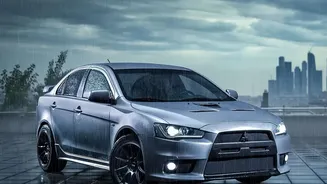




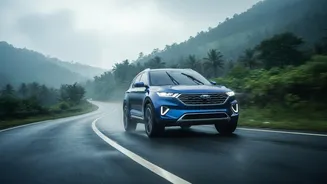

Your Tyres: The First Line of Defence
Your tyres are the only part of your car in contact with the road, making them critical for monsoon safety. Wet roads dramatically reduce grip, and worn tyres increase the risk of aquaplaning, where a layer of water builds between the rubber and the road, leading
to a loss of control. Before the rains intensify, check that your tyres have adequate tread depth. While the legal minimum is 1.6mm, more tread is always safer for dispersing water. Also, check the tyre pressure weekly, including the spare. Incorrect pressure affects handling and braking efficiency.
Wipers and Windscreen: A Clear View Ahead
Visibility is paramount in a downpour. Your wiper blades, which often degrade in the summer heat, are your most important tool for a clear view. If they leave streaks, make juddering noises, or fail to clear water effectively, replace them immediately. It's an inexpensive fix that has a huge impact on safety. Also, top up your windshield washer fluid reservoir, preferably with a proper cleaning solution that can cut through the oily grime kicked up from wet roads.
Brakes: Your Ultimate Safety Net
Braking distance can increase significantly on wet roads. That’s why your braking system needs to be in prime condition. If you notice any squealing, vibrations, or a spongy feeling in the pedal, get your brakes inspected by a professional without delay. Worn-out brake pads or low brake fluid can be extremely hazardous in the monsoon. After driving through a waterlogged area, it’s a good practice to gently tap your brakes a few times to help dry them out and restore normal performance.
Lights and Electricals: See and Be Seen
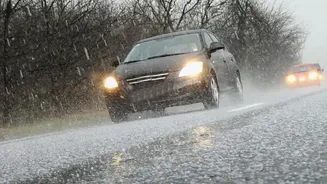
In the grey gloom of heavy rain, being visible to other drivers is just as important as seeing the road ahead. Walk around your car and ensure all lights are working: headlights (low and high beams), tail lights, brake lights, and turn indicators. Cloudy or yellowed headlight covers can drastically reduce light output and should be cleaned or restored. The monsoon's high humidity and moisture can also be tough on your car's battery. Check for corrosion on the terminals and ensure the connections are tight, especially if the battery is more than a few years old.
AC and Defogger: Fighting the Fog
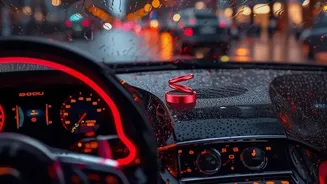
A common frustration during the monsoon is a windscreen that fogs up on the inside due to the temperature and humidity difference. Your car's air conditioning system is the fastest way to clear this condensation. Before you're caught in a situation with zero visibility, test your AC to ensure it's blowing cold air. Run the defogger for both the front and rear windscreens to confirm they are working correctly. A clean cabin air filter will also improve airflow and AC performance.
Monsoon Emergency Kit: Be Prepared
Even with the best preparation, problems can arise. Having a basic emergency kit can be a lifesaver if you get stranded. Key items to include are a flashlight with extra batteries, a first-aid kit, jumper cables, and a tow strap. A reflective warning triangle is essential to alert other drivers if you break down. It's also wise to keep a power bank for your phone, an umbrella, and a few microfibre cloths to quickly wipe down foggy interior windows.