



First, What Are We Talking About?
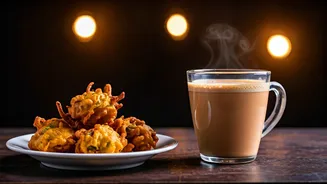
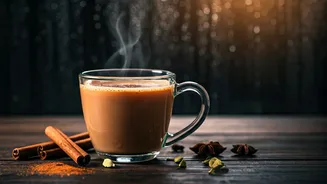
Before we get to the “season,” let’s break down the key players. First is chai, which simply means “tea” in Hindi and several other languages. But in this context, it refers to masala chai: a fragrant, spiced black tea brewed with milk and sweetened with sugar.
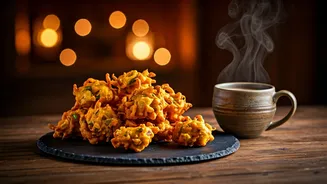
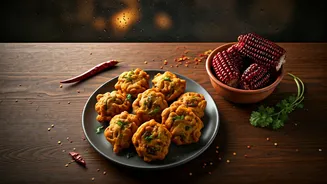
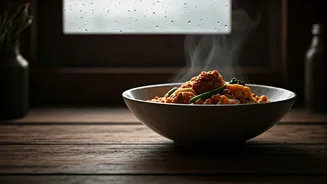
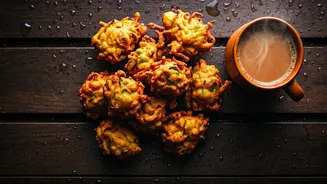
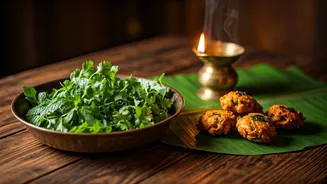
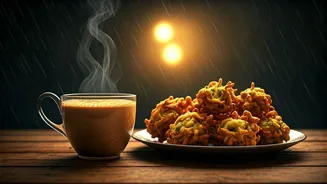
It’s a complex, warming brew, often infused with cardamom, ginger, cloves, and cinnamon. Think of it as the original, far more soulful version of the chai latte you’d find at a coffee shop. Then there are pakoras. These are savory, deep-fried fritters. The base is a simple batter made from gram flour (besan), which is derived from chickpeas, giving it a nutty, earthy flavor. Almost anything can be dipped into this batter and fried to crispy perfection: slices of potato or onion, spinach leaves, cauliflower florets, or cubes of paneer (a firm Indian cheese). They are the ultimate rainy-day snack: hot, crunchy, a little greasy, and perfect for dipping.
The Magic of Monsoon Season
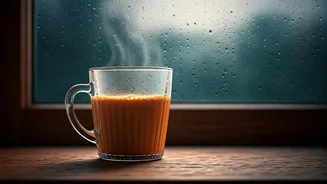
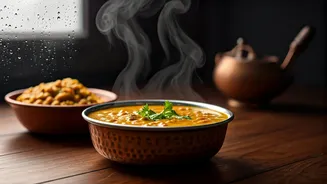
The phrase “chai-pakora season” is inextricably linked to the monsoons in South Asia. After months of scorching, oppressive heat, the arrival of the first rains is a moment of profound relief and celebration. The air cools, the dust settles, and a petrichor scent—the earthy smell of rain on dry soil—fills the atmosphere. This dramatic shift in weather creates an almost primal craving for something warm, comforting, and indulgent. Enter chai and pakoras. The ritual is simple: as the sky darkens and rain begins to fall, someone in the family starts brewing a pot of strong, milky chai while another whips up a batch of pakora batter. The sound of sizzling oil joins the pitter-patter of rain. It’s a multisensory experience—the warmth of the mug, the steam from the tea, the crunchy-soft texture of the fritters, and the view of a rain-soaked world from a dry, cozy window. This pairing isn’t just a snack; it’s an event, a mood, a spontaneous celebration of nature’s relief.
Why It “Breaks the Internet”
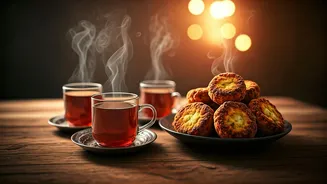
The headline's claim isn't literal, but it captures a real digital phenomenon. When monsoon season hits India, Pakistan, and other parts of the region, social media platforms like Instagram, X (formerly Twitter), and Facebook are inundated with content celebrating this pairing. The trend is fueled by a few key factors. First, it's incredibly photogenic. A steaming cup of chai next to a rustic plate of golden pakoras, often with a rain-streaked window in the background, is pure aesthetic comfort. Second, it’s a deeply shared cultural experience. Posting a picture of your chai and pakoras is a way of saying, “I’m part of this, too.” It connects millions of people sharing the same moment, whether they’re in Mumbai, Lahore, or a diaspora community in New Jersey feeling nostalgic for the rains back home. It taps into a powerful collective memory and sense of identity, making it a recurring, heartwarming viral moment rather than a fleeting meme.
The American Equivalent?
For those in the U.S., the power of chai-pakora season can be understood by looking at our own weather-driven food rituals. Think of the collective cultural shift that happens on the first truly crisp day of autumn. Suddenly, everything is pumpkin spice. Or consider the universal American response to a snow day: a sudden, overwhelming need for hot chocolate, grilled cheese, and tomato soup. It’s that same feeling—a specific weather event triggering a specific craving that is both personal and communal. Like the PSL, the chai-pakora combo signals the start of a season. Like grilled cheese on a cold day, it offers deep, uncomplicated comfort. It’s a culinary hug, a way to make a cozy shelter out of a stormy day. The annual trending of #ChaiPakora is a beautiful reminder that no matter where we are, the simple act of sharing a specific food at a specific time is a universal language of home, comfort, and belonging.