






From Famine to Food Security
In the decades following Independence, India’s primary nutritional goal was straightforward: to prevent famine and ensure its massive population had enough to eat. The Green Revolution, coupled with the establishment of the Public Distribution System
(PDS), was a monumental success in this regard. The focus was on staple grains like wheat and rice, ensuring calorie sufficiency for millions. This strategy successfully averted mass starvation and created a foundation of food security. The nation had won the battle for quantity, a historic achievement that pulled countless families back from the brink of hunger. But as the dust settled, a new, more complex problem came into view, one that a full stomach could not solve on its own.
The Rise of 'Hidden Hunger'
Even with adequate calorie intake, a significant portion of the population was found to be suffering from what experts call 'hidden hunger' or micronutrient deficiency. This is a lack of essential vitamins and minerals like iron, iodine, zinc, folate, and Vitamin A, which are critical for physical growth and cognitive development. A diet heavy on cereals but lacking in diverse foods like fruits, vegetables, and pulses can lead to this condition. The consequences are severe: high rates of anaemia, which impacts energy and productivity; childhood stunting, which has lifelong effects; and weakened immune systems. National health surveys have repeatedly shown alarmingly high levels of anaemia, particularly among women and children, highlighting that being fed is not the same as being nourished.
A New Policy Toolkit
Recognising this gap, India's nutrition policy has begun a crucial pivot from food security to nutritional security. This shift acknowledges that the quality of food is as important as its quantity. The government's approach is now multi-pronged, moving beyond just providing calories to actively delivering essential micronutrients. Key programs like POSHAN Abhiyaan (National Nutrition Mission) are at the forefront of this change, implementing strategies that target the root causes of hidden hunger. This involves not only improving the nutritional value of government-supplied food but also empowering communities with the knowledge and resources to eat healthier.
The Power of Food Fortification
One of the most powerful tools in this new toolkit is food fortification. This involves adding key vitamins and minerals to staple foods that are widely consumed. The government has launched an ambitious plan to fortify rice with iron, folic acid, and vitamin B12 and distribute it through the PDS, the PM POSHAN scheme (formerly Mid-Day Meal), and Anganwadi centres. Because rice is a staple for over 65% of the population, this strategy has the potential to deliver essential nutrients to hundreds of millions of people, especially in vulnerable communities, without requiring drastic changes to their dietary habits. It is seen as a highly cost-effective and scalable intervention to combat deficiencies like anaemia on a massive scale.
Promoting a More Diverse Plate
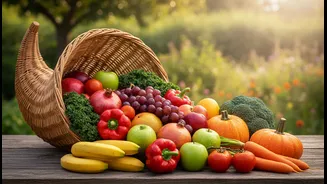
Alongside fortification, there is a growing emphasis on promoting dietary diversity. For too long, the focus on rice and wheat pushed more nutritious and climate-resilient traditional grains like millets to the margins. Now, there is a concerted effort to bring them back. Initiatives are encouraging the cultivation and consumption of a wider variety of foods, including pulses, local fruits, and vegetables. Programs like Poshan Vatikas, or nutri-gardens at Anganwadi centers, help provide fresh, locally grown produce and teach the importance of a balanced diet. This not only improves nutritional outcomes but also supports local agriculture and food traditions.