



Why Bother with a Label?
A simple label is your best defence against food waste and kitchen chaos. When food is unidentifiable, it often gets thrown out. This contributes to household food waste, which has both financial and environmental costs. A clear label helps you keep track
of what you have, ensuring you use items while they are at their best quality. While freezing keeps food safe indefinitely from a bacterial standpoint by halting microbial growth, its quality in terms of taste and texture degrades over time. A date helps you follow the 'first-in, first-out' (FIFO) system, reducing the chances of food languishing for months only to suffer from freezer burn—those dry, leathery patches that ruin a perfectly good meal.
The Anatomy of a Perfect Label
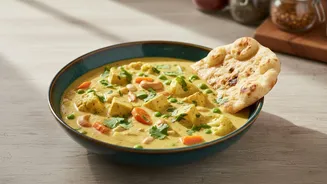
A useful freezer label doesn't need to be complicated, but it must be clear. At a minimum, every label should include two key pieces of information: the name of the dish and the date it was frozen. Be specific with the name. Instead of just “Chicken,” write “Chicken Korma” or “Tandoori Chicken Marinade.” This avoids any flavour surprises later. The date is crucial for tracking freshness. You'll know instantly if that paneer butter masala is from last week or six months ago. For bonus points, consider adding other helpful details, such as the number of portions, reheating instructions, or a 'use-by' date, which is typically 3-6 months for best quality on homemade meals.
Choosing Your Tools for the Job
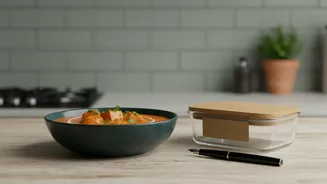
Your labelling system is only as good as the tools you use. Regular pens can smudge or fade in the cold and damp conditions of a freezer. The best choice is a permanent marker, which works well on plastic bags, foil, and containers. Some companies even produce special freezer-proof markers with ink designed to withstand sub-zero temperatures. When it comes to labels themselves, you have several options. Simple masking tape is a cost-effective choice used in many professional kitchens; it sticks well in the cold but peels off without much residue. You can also purchase specialised freezer labels, which come in varieties that are removable or even dissolve in water for easy cleanup. Whatever you choose, apply the label to your container when it is clean, dry, and at room temperature for the best adhesion.
Make It a Habit
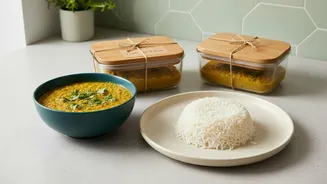
The key to a well-organised freezer is consistency. The best time to label a container is before it even goes into the freezer. Make it part of your food prep or leftover storage routine. Keep your labels and marker in a convenient spot in the kitchen, perhaps in the same drawer as your food storage bags and containers. If you cook in large batches, freeze items in meal-sized portions and label each one. This prevents you from having to thaw a large block of food when you only need a small amount. By making labelling a non-negotiable step, you transform your freezer from a frosty abyss into a curated library of future meals, ready to save you time and effort on busy weeknights.