






The Rise of the Table for One
Solo dining is no longer a niche behaviour but a significant cultural shift in India. Once seen as a sign of loneliness, it's now increasingly viewed as an act of self-care, independence, and empowerment. This trend is driven by several factors: urbanisation,
the rise of single-person households, demanding professional lives, and a desire for intentional 'me-time'. Reports indicate a notable increase in solo guests at hotels and restaurants, with some chains seeing a 12-15% year-on-year rise. This isn't just about business travellers anymore; young professionals, women seeking independence, and even retirees are embracing the freedom to eat what they want, when they want. Social media has also played a role, turning solo dates into an aspirational activity. This growing demographic isn't just looking for a quick bite; they are often discerning customers willing to spend more per head than group diners.
The Problem with Party-of-Two Portions
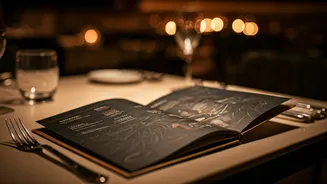
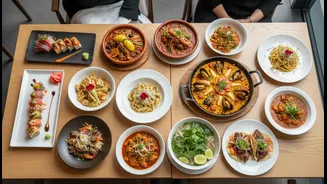
Despite this clear trend, most restaurant menus remain stubbornly designed for groups. The biggest hurdle for a solo diner is the menu itself. Main courses are often too large for one person to finish, leading to food waste. Tasting menus, one of the best ways to experience a chef's vision, are almost universally offered for a minimum of two guests. Combo deals and sharing platters, by their very definition, exclude the individual. This forces solo diners into a frustrating calculation: order an appetizer as a main, stick to the soup section, or order a full meal knowing half of it will go to waste. It sends a clear, if unintentional, message: you are an afterthought. This experience can be alienating and prevents restaurants from tapping into a loyal and potentially high-spending customer base.
What a 'Smart Menu' Actually Looks Like
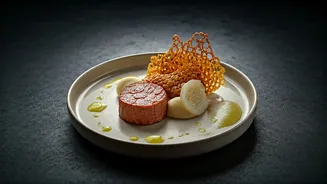
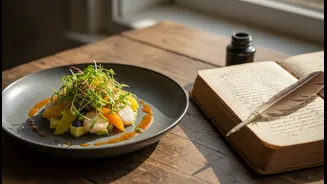
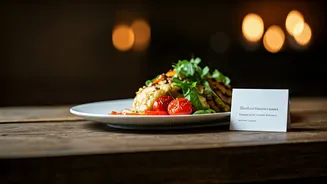
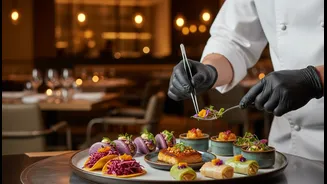
So, what does a smarter, solo-friendly menu look like in 2026? It’s not about creating a separate, limited menu. It’s about flexibility and thoughtful design. One of the most requested features is the availability of half-portions or smaller plates, allowing a single person to create their own multi-course experience. Restaurants can introduce a 'solo tasting' option or a prix fixe menu designed for one, offering a curated journey through their best dishes without overwhelming the diner. Another smart move is elevating the bar menu beyond standard fried snacks. Offering a selection of high-quality, inventive small plates at the bar can make it a destination for solo diners. Some forward-thinking restaurants in India are already recalibrating menus with tasting formats and mix-and-match choices that cater to individual preferences and pace.
Beyond the Menu: An Attitude Shift
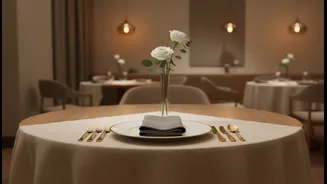
A smarter approach to solo dining extends beyond the food. It’s about hospitality. It means creating welcoming spaces—comfortable bar seating, small tables that aren't relegated to awkward corners, or even communal tables that offer a sense of shared experience. Service is key. Staff should be trained to read the guest: some solo diners want quiet solitude with a book, while others might appreciate a brief, engaging conversation with the bartender or server. The goal is to make the individual feel seen and valued, not like an inconvenience taking up a table. This shift requires moving from viewing a solo diner as a smaller bill to seeing them as an opportunity—a food blogger, a future regular, or someone who will return with friends after a positive experience.