





Understanding the 'Planting Window'
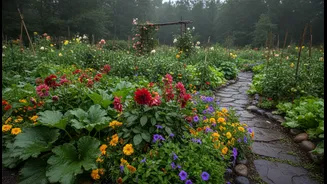
The concept of a 'rain-fed planting window' is simple yet powerful. It's the period, typically from June to September, when the monsoon provides consistent, natural irrigation. For gardeners, this means the soil is moist, the air is humid, and temperatures
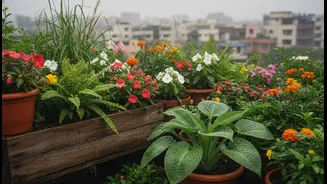
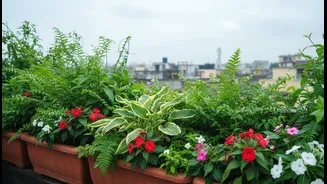
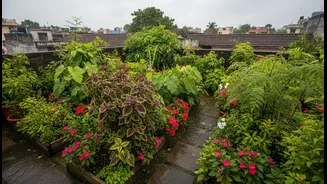
are moderate—ideal conditions for seed germination and plant growth. This natural boost means plants can grow up to three times faster than usual. While Bengaluru's gardeners are taking advantage of this, the same principles apply across most of India, making it the perfect time to start planting, whether you have a large backyard or a small balcony.
Prepare Your Soil for Success
Good soil is the foundation of a healthy garden, especially during the monsoon. The biggest risk is waterlogging, which can suffocate roots and lead to rot. To prevent this, ensure your pots and garden beds have excellent drainage. Mix your soil with organic matter like compost or coco-peat to make it lighter and prevent compaction. If you're using pots, elevating them on stands or bricks can also help excess water escape. A well-draining soil mix ensures that while your plants enjoy the rain, their roots get the oxygen they need to thrive.
What to Plant During the Monsoon
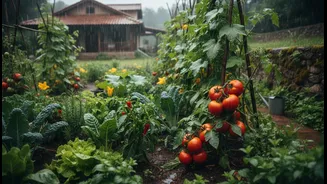
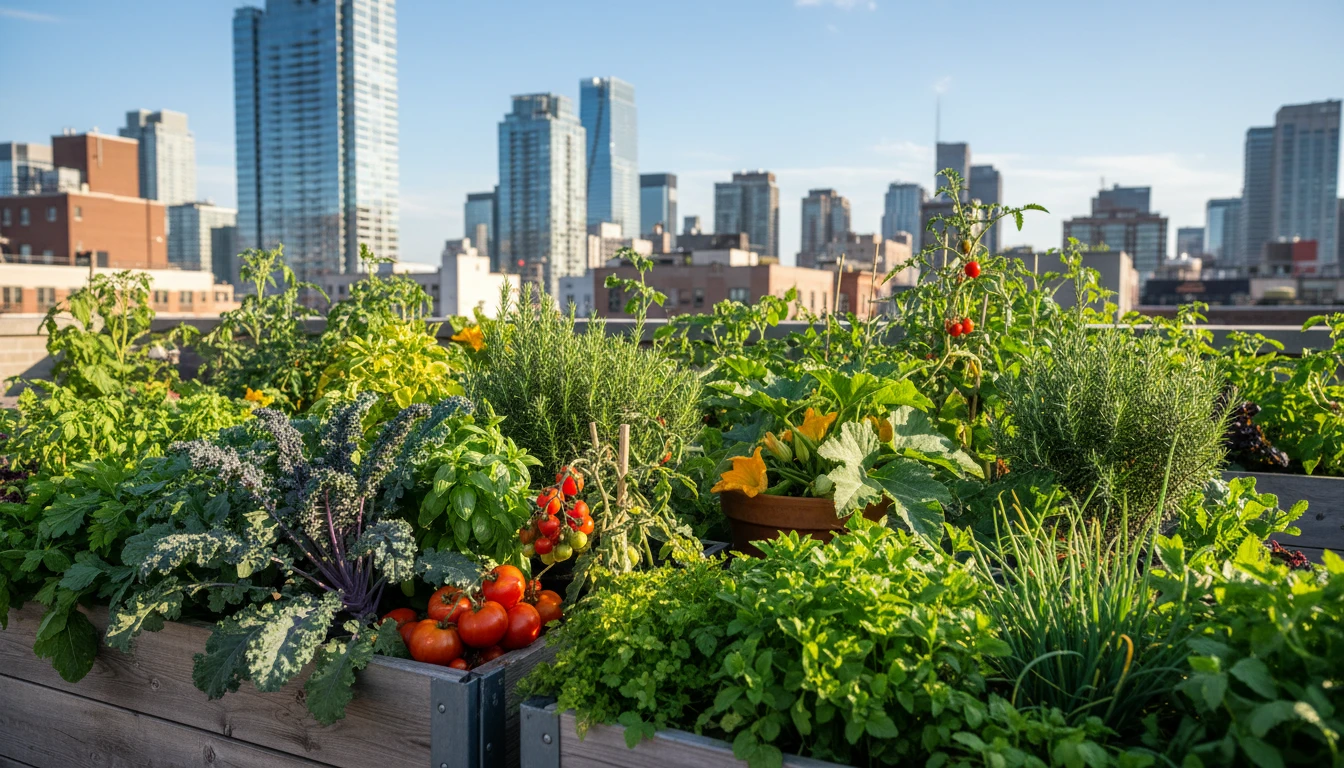
The monsoon is perfect for a wide variety of vegetables that thrive in warm, humid conditions. Gourds are champions of this season; varieties like bottle gourd (lauki), bitter gourd (karela), and ridge gourd (turai) grow vigorously. Okra (bhindi) also loves the monsoon warmth. For leafy greens, consider fast-growing options like amaranth (chaulai) and spinach (palak). Root vegetables such as radish, carrots, and beetroot also do well, provided the soil is loose and not waterlogged. Beans are another excellent choice for beginners, as they are easy to grow and highly productive.
Managing Monsoon Pests and Diseases
Unfortunately, the same humidity that your plants love is also ideal for pests and fungal diseases. Slugs, snails, and mealybugs become more active. Fungal issues like powdery mildew and leaf spot are also common. Prevention is the best cure. Ensure good air circulation by not overcrowding your plants. Water plants at their base to keep the leaves dry. A preventive spray of neem oil solution (5ml per litre of water) every 10-15 days can help keep most pests and fungal issues at bay naturally.
Watering: The Monsoon Paradox
It might seem strange to discuss watering during the rainy season, but getting it right is crucial. The most common mistake in monsoon gardening is overwatering. Rely on the rainfall, and only water your plants if the top inch of soil feels dry to the touch. For pots on a covered balcony that don't receive rain, you'll still need to water, but less frequently than in summer. Always check the soil moisture before reaching for the watering can. Remember, more plants die from overwatering than underwatering during the monsoon.