





The New Old Blockbuster
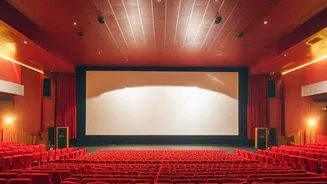
In recent months, a curious trend has taken hold of Indian multiplexes. Alongside the latest high-budget releases, familiar posters for films like Rockstar, Yeh Jawaani Hai Deewani, and even cult favourites like Tumbbad and Laila Majnu have reappeared.
This wave of re-releases is proving to be more than just a passing novelty; it's a certified box office success. Films that were considered moderate successes or even outright flops in their initial run, such as Sanam Teri Kasam, are now smashing records, earning crores and outperforming some new releases. The overwhelming response, with sold-out shows and social media buzzing with excitement, proves there is a significant appetite for these cinematic throwbacks. It's a phenomenon that has prompted the entire industry, from distributors to theatre owners, to take notice.
An Event, Not Just a Screening
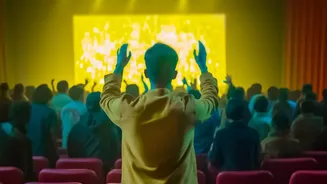
A key reason for this success is that these are not quiet, passive viewings. For many, seeing a beloved film on the big screen becomes a communal celebration. Audiences, many of whom were too young to see these films in theatres the first time around, are now showing up with friends, singing along to iconic songs, and dancing in the aisles. The shared experience of reliving memorable scenes and dialogues in a packed hall creates a powerful sense of community that simply can't be replicated at home on a streaming platform. Cinema owners report that fans often dress up and queue for tickets as if it were a new premiere, reinforcing the idea that these re-releases are treated as special, unmissable events.
The Smart Economics of Nostalgia
For theatre owners and distributors, the re-release strategy is a low-risk, high-reward venture. With a scarcity of new blockbusters and long gaps between major releases, older hits provide a reliable way to fill seats and keep revenues flowing. The marketing costs are minimal, as these films already have a built-in fan base and cultural resonance. The president of the Multiplex Association of India, Kamal Gianchandani, has noted that the success validates the public's enjoyment of the theatrical experience, as people are willing to pay for it even when the films are available on OTT platforms. For some chains, re-releases have accounted for a significant portion of revenue, proving it's a sustainable business model, not just a temporary filler.
A Bridge Between Generations
This trend masterfully caters to two distinct demographics. For millennials and older viewers, it's a potent dose of nostalgia—a chance to relive cherished memories and introduce their favourite films to a new generation. For Gen Z, who may have discovered these movies through social media reels or family recommendations, it's an opportunity to experience a piece of cinematic history on the grand scale it was intended for. Many films that were perhaps ahead of their time or didn't find their audience initially are now being re-evaluated and celebrated by a new, younger viewership. This cross-generational appeal turns a simple movie screening into a shared cultural moment, bridging the gap between those who remember the original release and those experiencing it for the very first time.