



The Small Space Dilemma
In compact apartments, floor space is a precious commodity. Traditional storage like bookshelves, cabinets, and chests of drawers can eat up this limited area, making rooms feel cramped and cluttered. For renters, the problem is compounded by restrictions
on permanent installations, making it difficult to add built-in shelving or make significant alterations. This often leads to a frustrating cycle of clutter, where belongings without a designated home end up on floors and surfaces, making the space feel even smaller and harder to manage. The key to breaking this cycle is to shift your storage strategy from horizontal to vertical.
The Power of Going Vertical
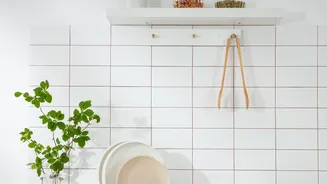
Vertical storage is a game-changer for small-space living. By utilising the untapped potential of your walls, you can store a surprising amount of items without sacrificing a single inch of floor space. This approach not only frees up room for movement and daily activities but also helps create a more organised and visually appealing environment. When items have a designated spot on a wall, they are easier to find and access, which can streamline daily routines from cooking to working from home. This method allows you to separate activities within a single room, such as creating a distinct workspace on a wall, making even a studio apartment more functional.
The Pegboard Advantage
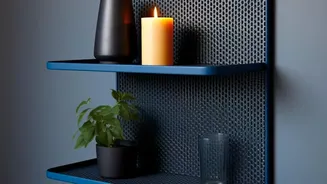
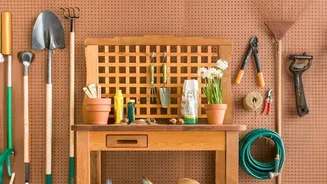
While there are many vertical storage options, modular pegboard systems have emerged as a particularly effective solution for renters. A pegboard is a perforated board that uses a system of hooks, shelves, and bins to hold a wide variety of items. Its primary advantage is its supreme flexibility. Unlike fixed shelves, a pegboard can be reconfigured in seconds to adapt to your changing needs. This modularity means the same panel can organise kitchen utensils one day and craft supplies the next. Available in materials like metal, wood, and plastic, pegboards can also be a stylish design element, adding texture and personality to a room.
Renter-Friendly Installation
The fear of damaging walls and losing a security deposit is a major concern for renters. Fortunately, pegboards offer several damage-free installation methods. One popular approach is using heavy-duty adhesive strips, which can securely hold a pegboard without the need for drilling. It is crucial to check the weight capacity of both the strips and the board itself. For heavier loads, freestanding pegboard systems are an excellent alternative. These units stand on their own and lean against the wall or are supported by floor-based columns, offering robust vertical storage without a single hole. Smaller, desktop-sized pegboards can also bring organisation to a desk or countertop without any installation at all.
Creative Uses in Every Room
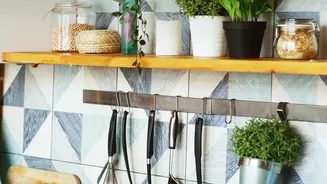
Pegboards are no longer confined to the garage. Their versatility makes them a perfect fit for every room in the apartment. In the kitchen, a pegboard can become a command centre for hanging pots, pans, and utensils, freeing up valuable counter and cabinet space. In a home office, it keeps your desk clear by holding stationery, cables, and documents. A pegboard in the entryway can serve as a catch-all for keys, mail, and bags. You can even use it in the bedroom to organise jewelry or in the living room to create a stunning vertical garden with small planters. With a vast array of available accessories like shelves, baskets, and hooks, the organisational possibilities are nearly endless.