



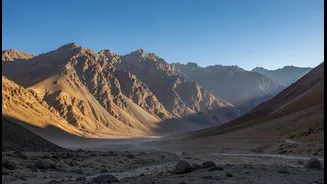
Geography's Best-Kept Secret
The magic lies in a phenomenon called the rain-shadow effect. When moisture-laden monsoon clouds travel from the sea, they are forced upwards by massive mountain ranges like the Himalayas. As the air rises, it cools, and the moisture condenses and falls
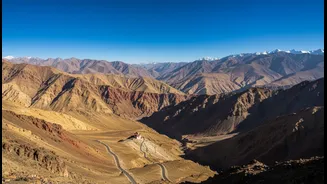
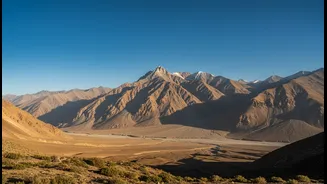
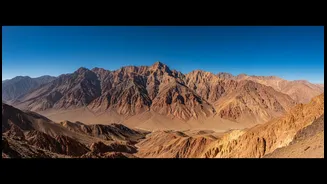
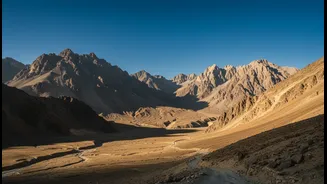
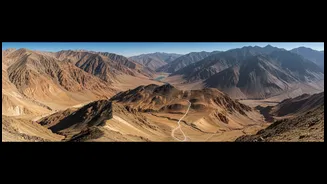
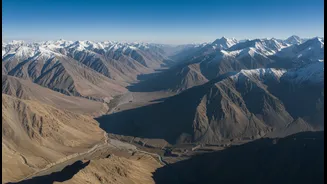
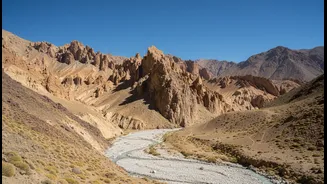
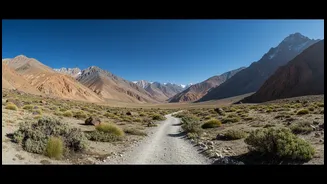
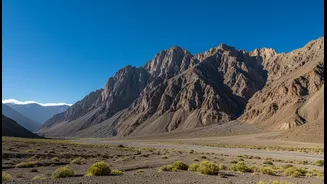
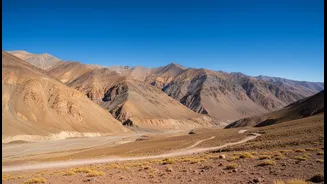
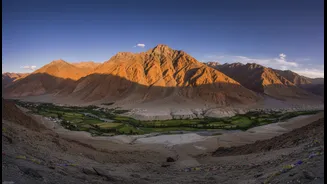
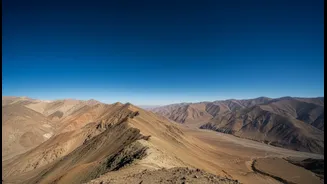
as heavy rain on one side of the mountains (the windward side). By the time this air crests the peaks and descends on the other side (the leeward side), it has lost most of its moisture. This now-dry air creates a pocket of arid or semi-arid climate, a 'shadow' protected from the rain. Spiti and Ladakh, nestled deep in the trans-Himalayan zone, are classic examples of rain-shadow regions. While the rest of the country is drenched, these high-altitude cold deserts experience clear blue skies and sunny days, making them ideal for travel.
The Monsoon Travel Boom
This unique geographical advantage has not gone unnoticed. As travelers become more adventurous and look for alternatives to rain-soaked hill stations, Spiti and Ladakh have emerged as prime monsoon destinations. Tour operators and travel companies now actively market “monsoon-proof” road trips and treks to these regions between June and September. Official data reflects this trend. After a series of setbacks in 2025, Ladakh has seen a remarkable tourism revival in 2026, with a nearly 44% increase in visitor arrivals in the first five months compared to the previous year. June 2026 alone saw a dramatic jump in tourist footfall. This surge highlights a clear shift in travel patterns, with domestic visitors in particular flocking to the region for its reliable weather and accessible adventure.
The Traveler's Reward: Clear Skies and Open Roads
The appeal is obvious. While other mountain roads are prone to landslides, the routes to and within Ladakh and Spiti are generally open and safe during the monsoon months. Travelers are rewarded with stark, stunning landscapes of barren mountains, deep blue lakes like Pangong Tso, and ancient monasteries perched on cliffs, all under brilliant sunshine. This is the season for vibrant cultural festivals in Ladakh and for exploring the remote villages of Spiti. For bikers, road-trippers, photographers, and adventure seekers, the dry conditions offer a perfect playground for trekking, river rafting, and simply soaking in the otherworldly beauty without interruption. Staying in local homestays offers an even deeper connection to the unique culture of these regions.
Growing Pains in Paradise
However, this boom is not without its challenges. The fragile ecosystems of these high-altitude deserts are under immense pressure. Increased tourism strains the already limited resources, especially water. Waste management is a growing concern, as the infrastructure struggles to keep up with the influx of visitors, leading to pollution that threatens the pristine environment. There is a rising call for carrying-capacity studies to understand how many tourists the region can sustainably support. The very character of these remote areas is at risk from unplanned construction and over-commercialization. Climate change is also a factor, with locals observing an increase in erratic rainfall and faster glacial melt in recent years, which can cause flash floods even in these dry regions.