
The Building Blocks: What Are Amino Acids?
Think of protein as a long chain, and each link in that chain is an amino acid. Our bodies use these to build and repair tissues, from muscles to skin, and to make enzymes and hormones. While our bodies can produce some amino acids, there are nine we
cannot make on our own. These are called 'essential amino acids', and we must get them from our food. A food that contains all nine of these in sufficient amounts is called a 'complete protein'. While most animal products are complete proteins, the plant world requires a little more strategy—but it's surprisingly simple.
Lentils: The Humble Powerhouse
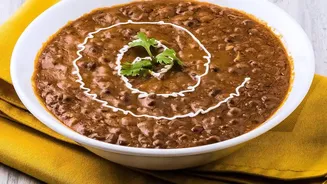
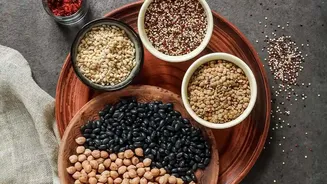
In India, lentils (or dals) are the foundation of countless meals, celebrated for being affordable, versatile, and packed with protein and fibre. While lentils contain all nine essential amino acids, they are typically low in one specific pair: methionine and cysteine. This is what nutritionists refer to as a 'limiting amino acid'. Because of this, on their own, lentils are not considered a 'complete' protein by the strictest definition. However, they are rich in another essential amino acid, lysine, which many grains lack.
Tofu: The Complete Plant-Based Contender
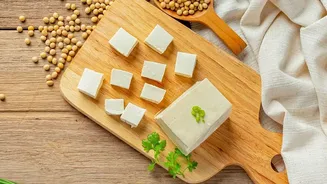
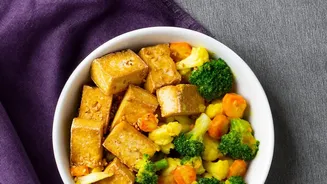
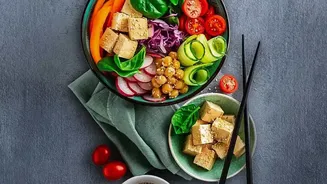
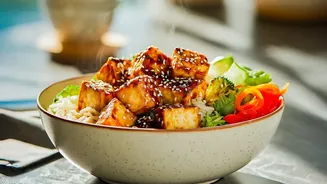
Tofu, made from soybeans, is one of the superstars of the plant kingdom because it's a complete protein all on its own. It contains all nine essential amino acids in the right proportions, making it a fantastic and reliable protein source for anyone, especially those on a vegetarian or vegan diet. A serving of tofu not only provides high-quality protein but is also a great source of iron and calcium. Its versatility is its greatest strength; it absorbs the flavours of whatever it's cooked with, making it a seamless addition to curries, stir-fries, and scrambles.
Seeds: The Nutrient-Dense Finish
This is where seeds like sesame, sunflower, and pumpkin seeds come into play. These tiny nutritional giants are often rich in the very amino acids that legumes like lentils are low in—methionine and cysteine. Sprinkling a tablespoon of toasted sesame or pumpkin seeds over a dish is an easy way to not only add a delightful crunch and healthy fats but also to balance the amino acid profile of your meal. Hemp and chia seeds are also notable for being complete proteins themselves.
The Synergy: How the Combination Works
The idea of combining proteins isn't about complicated math. By eating lentils, tofu, and seeds together, you are covering all your bases. The lentils provide lysine, the seeds offer up methionine, and the tofu adds a high-quality boost of all nine essential amino acids. This powerful trio creates a meal with a comprehensive amino acid profile that supports everything from muscle repair after exercise to daily energy levels. The old myth that you need to combine proteins in the exact same meal has largely been debunked. Your body maintains a pool of amino acids, so as long as you eat a variety of protein sources throughout the day, you'll be well-covered.
Practical Ways to Combine These Foods
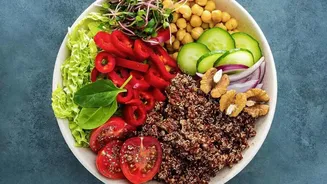
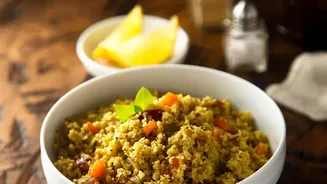
Putting this combination into practice is delicious and easy. Imagine a warm bowl of dal topped with pan-fried cubes of masala tofu and a generous sprinkle of toasted sesame seeds. Or a hearty salad with lentils, crumbled tofu, and a handful of sunflower seeds. You could even blend silken tofu into your dal to make it creamier while boosting its protein content. These combinations have been part of traditional diets for centuries, like hummus (chickpeas) with pita (wheat), for a reason—they just work, creating nutritional synergy that keeps the body strong and resilient.