





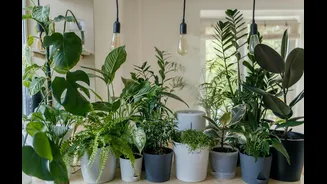
Don't Panic, It's Just Resting
When the last petal falls, it's easy to assume your plant is dying. In reality, it's likely just entering a natural rest period. Flowering consumes a tremendous amount of energy, and this post-bloom phase allows the plant to recover and focus on root
and leaf development. Many tropical plants slow their growth, while some, like amaryllis or cyclamen, enter a deeper dormancy where they may even lose their leaves. Understanding that this is a normal part of the plant's life cycle is the first step. This resting phase is crucial for gathering the energy needed to produce another spectacular show of flowers in the future.
The Snip: Pruning Spent Blooms
One of the most important immediate actions is to prune the old, faded flowers, a process known as deadheading. Once a flower starts to wilt and turn brown, the plant continues to send energy to it in an attempt to produce seeds. By snipping off these spent blooms, you redirect that energy back into the leaves and roots, promoting new, healthy growth. Use a clean, sharp pair of scissors or pruning shears to cut the flower stalk. For plants like peace lilies, cut the stalk as close to the base of the plant as you can. For orchids, if the spike is still green, you can cut it just above a node (the small bumps on the stem) to potentially encourage a new flower spike. If the spike is brown and dry, cut it back to the base.
Adjust Your Care Routine
A resting plant has different needs than one in full bloom. Since it's not actively producing flowers, it requires less water and less fertiliser. Overwatering is a common mistake during this period and can lead to root rot. Allow the top inch or two of soil to dry out before watering again. You can also reduce or pause fertilising. While a plant in active growth benefits from regular feeding, a dormant one does not. Resume a regular fertilising schedule only when you see signs of new growth, like fresh leaves appearing. Light is still important, however. Most plants will still need bright, indirect light to photosynthesise and build up energy reserves for their next bloom cycle.
To Repot or Not to Repot?
The post-flowering rest period can be an ideal time to repot if your plant needs it. A plant that is 'root-bound', with roots filling the entire pot or growing out of the drainage holes, will benefit from a new home. Repotting provides fresh soil with new nutrients and gives the roots more room to grow, which is the foundation for a healthy plant. When you repot, choose a container that is only slightly larger than the current one. Gently remove the plant, trim away any dead or mushy roots, and place it in the new pot with fresh, appropriate potting mix. However, don't repot a plant just for the sake of it; unnecessary repotting can cause stress.
Patience and Future Blooms
After you've pruned, adjusted your care, and possibly repotted, the next step is patience. Some plants, especially orchids, may rest for six to nine months before showing signs of reblooming. Other plants might need specific conditions to trigger a new bloom cycle. For example, some species require a period of cooler temperatures to set new flower buds. As your plant rests, focus on its overall health—strong roots and healthy leaves are the foundation for future flowers. Once you notice new growth emerging, you can gradually resume your regular watering and feeding routine to support the plant as it prepares to flower once again.