






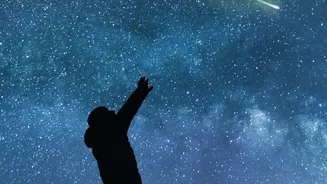
Cosmic Visitors from a Famous Comet
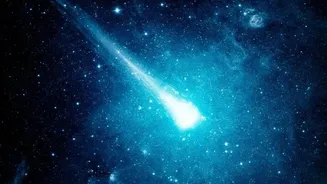
The Orionid meteor shower, considered one of the most beautiful of the year, is an annual celestial event that occurs when Earth passes through the dusty trail of Halley's Comet. While the famous comet itself only graces our skies every 76 years—last
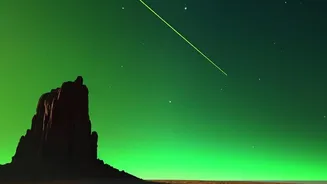
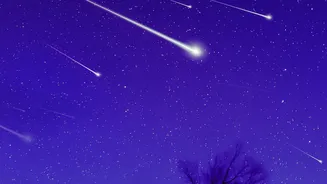
seen in 1986 and not due back until 2061—its legacy lights up our atmosphere twice a year. The Orionids in October and the Eta Aquariids in May are both born from these tiny, sand-grain-sized particles of ice and dust shed by the comet. As these fragments enter Earth's atmosphere at incredibly high speeds of around 66 kilometres per second, they burn up, creating the fast, bright streaks we call meteors or 'shooting stars'.
Mark Your Calendar: Prime Viewing Times
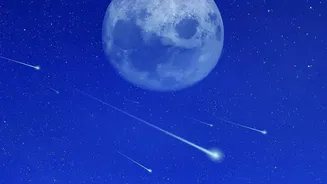
The Orionids are active from early October to early November, but the best time to watch is during the peak. For 2026, the peak nights are expected to be October 21-22. Because the peak can be broad, it's worth looking on the nights immediately before and after as well. The absolute best viewing window is in the pre-dawn hours, from about 3 a.m. until dawn. This year, a bright waxing gibbous moon will be in the sky during the early part of the night. However, it sets around 3 a.m. local time, leaving the sky perfectly dark for the prime meteor-watching hours that follow.
Your Urban Stargazing Strategy
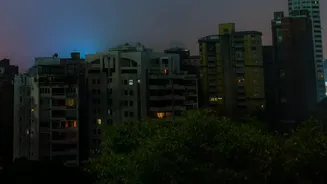
Living in a city doesn't disqualify you from the experience. The key is to minimize direct light pollution. Find a spot that offers the widest possible view of the sky with the fewest obstructions from buildings and streetlights. City parks, large open fields, or even the top floor of a tall parking garage can work surprisingly well. The goal is to escape the direct glare of artificial lights. Allow your eyes at least 20-30 minutes to fully adapt to the darkness; this is crucial for spotting the fainter meteors. Avoid looking at your phone, as its bright screen will instantly ruin your night vision. If you need a light, use a flashlight covered with red cellophane, as red light has a much lower impact on your eyes' dark adaptation.
What to Bring (and What to Leave Behind)
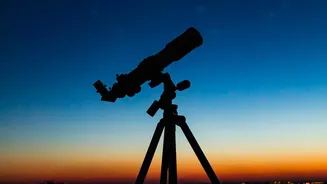
The best news is that you don't need a telescope or binoculars. In fact, they are a hindrance for meteor watching, as they restrict your field of view. Your eyes are the only tool you need. Comfort, however, is essential. Meteor watching is a game of patience. Bring a comfortable reclining chair or a thick blanket to lie on. Dress in warm layers, as even mild autumn nights can get chilly when you're sitting still for a long time. Pack a thermos with a warm drink and some snacks. The more comfortable you are, the longer you'll be willing to stay out and the more you're likely to see.
How to Watch for the Best Show
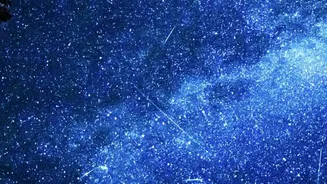
While the meteors appear to radiate from the constellation Orion—which is how they get their name—you shouldn't stare directly at it. The meteors will appear all across the sky. For the most spectacular views, find a comfortable position lying flat on your back and look straight up, taking in as much of the sky as possible. Meteors seen 45 to 90 degrees away from the radiant will appear longer and more dramatic as they streak across the sky. Don't be discouraged if you don't see one right away. There can be lulls in activity. Just relax, be patient, and enjoy the quiet moments under the vast expanse of the night sky.