
The Soul: Why The Pav Matters
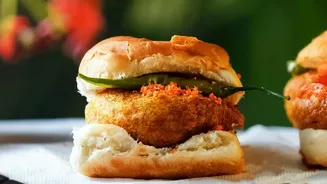
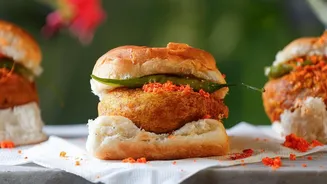
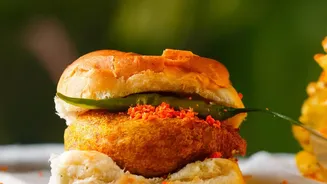
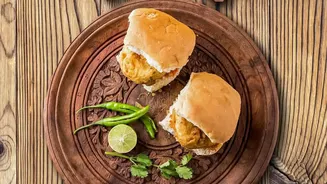
The 'pav' in vada pav is not just a container; it's the foundation of the entire experience. Unlike a crusty burger bun, the traditional ladi pav is pillowy, soft, and slightly sweet. Its primary job is to be a gentle, absorbent cushion for the explosion
of flavours to come. A good pav soaks up the chutneys without turning into a soggy mess, providing a crucial textural contrast to the crispy vada. It's the plain-spoken partner in a dynamic relationship, offering balance against the heat of the chilli and the spice of the potato. When making vada pav at home, sourcing the freshest, softest pav you can find is a non-negotiable first step. Its simplicity is its strength, allowing the vada and its accompanying chutneys to truly shine.
The Heart: The Perfect Batata Vada
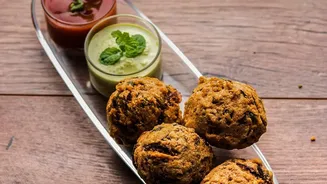
The batata vada is the star of the show. A perfect vada has two distinct personalities: a crunchy, golden exterior from the besan (gram flour) batter, and a soft, fluffy interior. The potato filling shouldn't be a dense, heavy paste. It should be light and flavourful, spiced with a tempering of mustard seeds, curry leaves, turmeric, and a coarse paste of ginger, garlic, and green chillies. A common mistake is using over-boiled, waterlogged potatoes, which leads to a gummy filling and a soggy vada. For a truly great vada, ensure your mashed potatoes are relatively dry, and don't be shy with the aromatics. A squeeze of lemon juice in the potato mixture can brighten the flavours immensely.
The Handshake: Chutneys and Synergy
If the pav is the soul and the vada is the heart, the chutneys are the secret handshake that brings them together. A classic Mumbai vada pav features at least two: a fiery dry garlic chutney (lasun chutney) and a fresh, vibrant green chutney made from coriander and mint. The dry chutney, often made from garlic, desiccated coconut, and red chilli powder, is sprinkled inside the pav and provides a pungent, spicy crunch. The wet green chutney adds moisture, freshness, and a tangy counterpoint. Some vendors also add a sweet tamarind chutney for another layer of complexity. These condiments are not mere toppings; they are essential components that bridge the gap between the plain bread and the savoury fritter.
Creative Ideas For The Vada
Once you've mastered the classic, you can start experimenting. The key is to add ingredients that complement the vada's texture and flavour profile. Instead of just adding a slice of cheese, try mixing grated paneer into the potato mixture for a richer, protein-packed filling. For a textural twist, add a spoonful of crushed roasted peanuts or sesame seeds to the potato masala. If you enjoy fusion flavours, a popular variation is the Schezwan vada pav, where the vada is tossed in a spicy, garlicky Schezwan sauce before being placed in the pav. This works because the sauce adds moisture and a bold flavour that the pav can absorb.
Rethinking The Pav
The pav itself can also be a canvas for creativity. Before assembling, try lightly toasting the pav in butter or ghee for a richer flavour and a slightly firmer texture. For an instant flavour boost, slather the inside of the pav with garlic butter before adding the chutneys. This creates a more decadent, almost gourmet experience. While ladi pav is traditional, don't be afraid to try other soft rolls. A soft potato bun, for example, can add its own subtle sweetness and enhance the overall pillowy texture of the dish. The goal is to enhance, not overpower, so any changes to the pav should still allow the vada to be the hero.
Bringing It All Together
The best vada pav innovations understand the core principle of balance. Think about creating a complete 'build'. For a 'Cheesy Chilli' version, place a slice of cheese on the hot vada so it melts slightly, then use a spicy green chilli and garlic paste inside the pav instead of just a dry chutney. For a 'Crunchy Onion' version, add a layer of finely chopped raw onion on top of the chutneys for a sharp, fresh crunch that contrasts with the soft vada. The possibilities are endless once you stop seeing the vada pav as just a bun and a filling, and start seeing it as a cohesive system of flavours and textures.