


A Celestial Sanctuary is Born
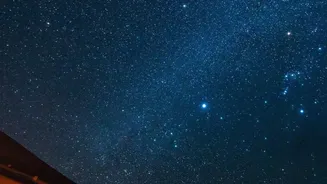
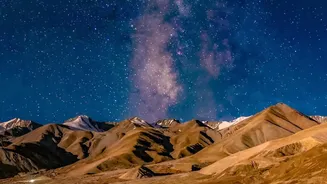
In December 2022, a unique sanctuary was established in the remote Changthang region of Ladakh. But this reserve wasn’t for tigers or elephants; it was for the stars. The Hanle Dark Sky Reserve (HDSR) became India's very first designated area to protect
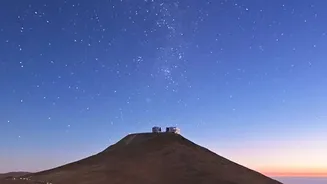
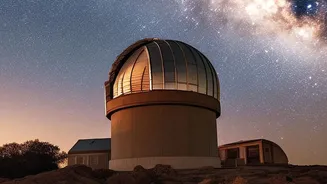
the natural darkness of the night sky from the growing threat of light pollution. Covering a 22-kilometre radius within the Changthang Wildlife Sanctuary, the initiative is a landmark collaboration between the UT Ladakh administration, the Ladakh Autonomous Hill Development Council (LAHDC), and the Indian Institute of Astrophysics (IIA). Its mission is twofold: to safeguard the pristine conditions for the world-class Indian Astronomical Observatory located there and to foster a new, sustainable form of tourism rooted in the cosmos.
Why This Remote Corner of India?
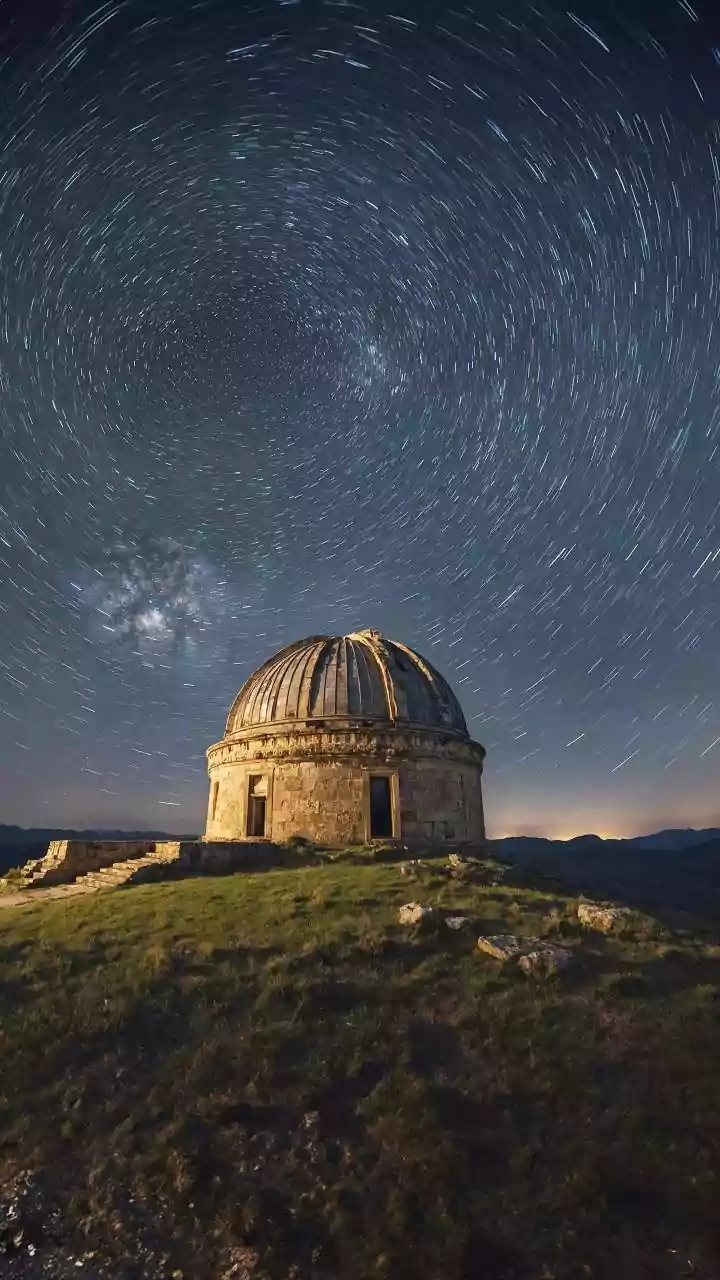
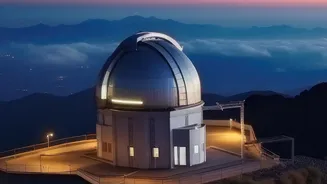
Hanle was not chosen by chance. Perched at an altitude of 4,500 metres (around 14,800 feet), it is a cold, dry desert with exceptionally clear skies for much of the year. This combination of high altitude, low humidity, and minimal atmospheric disturbance makes it one of the best sites on the planet for optical, infrared, and gamma-ray astronomy. The Indian Astronomical Observatory (IAO) has operated here since 2001, drawn by these near-perfect conditions. The region boasts around 270 clear nights annually, a quality that puts it on par with other world-renowned astronomical sites like Chile's Atacama Desert. Its extreme remoteness meant it had very little light pollution to begin with, earning it a rare Bortle 1 classification—the darkest possible rating for a night sky.
The Guardians of the Night
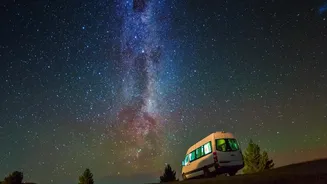
As tourism in Ladakh grew, especially with the opening of nearby high-altitude roads, the threat to Hanle's darkness became real. Vehicle headlights and the lights from a growing number of homestays began to affect sensitive telescope observations. In response, the HDSR implemented a careful Light Management Plan. Local communities have become active partners in this conservation effort. Every home within the reserve has been supplied with blackout curtains, warm-coloured light bulbs, and downward-facing lampshades to prevent light from spilling upwards into the sky. There are now strict rules for outdoor lighting, and even vehicle headlights will be prohibited from using high beams within the reserve. This isn't just about rules; it's about a community taking ownership of its most unique asset.
A Boon for Science and Community
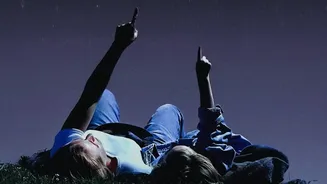
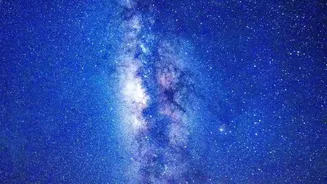
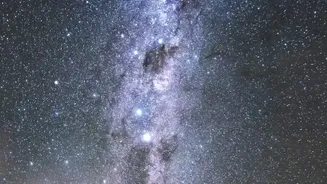
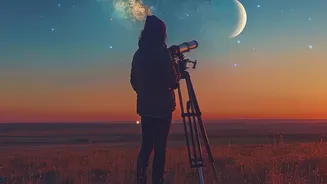
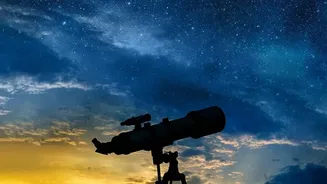
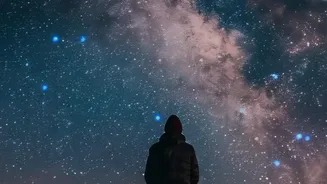
The HDSR is a powerful example of science and community development working hand-in-hand. While preserving the night sky for astronomical research, the initiative has simultaneously created a new economic engine: astro-tourism. The IIA and local authorities have trained dozens of local villagers, many of them women, to become 'Astronomy Ambassadors' or 'astropreneurs'. Equipped with telescopes and knowledge of the cosmos, they guide visitors through the wonders of the Hanle night sky, pointing out planets, galaxies, and the breathtaking arc of the Milky Way. This has led to a boom in homestays, providing sustainable livelihoods and turning a remote village into a premier destination for a unique travel experience. Visitors get to experience a sky so dark it’s almost unimaginable today, all while supporting the local economy directly.
The Future of Stargazing
Hanle's success story has put it on the global map, and efforts are underway to gain accreditation from international dark sky agencies. A modern visitor's centre is also planned, which will showcase the research done at the observatory and provide further employment for the local community. However, the challenge is ongoing. While the reserve itself is protected, the glow from development beyond its borders remains a concern. The success in Hanle, along with a similar designation for Pench Tiger Reserve as a 'Dark Sky Park', highlights a growing awareness in India about the importance of preserving the night sky. These sanctuaries are not just for scientists; they are a reminder of a universal heritage that is rapidly disappearing and a call to protect the profound human experience of looking up in wonder.