






The Hidden Dangers in Your Garden
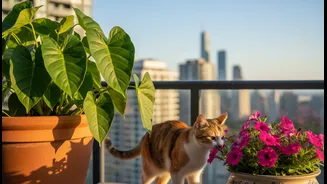
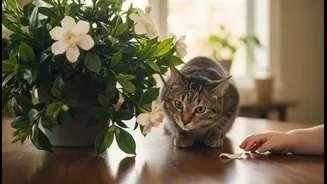
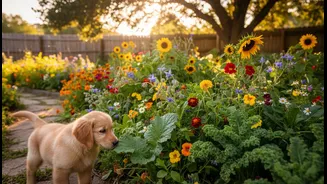
For pet owners, a garden can be a source of joy and a potential minefield. Many common pesticides and fertilisers contain chemicals that are toxic to dogs and cats. Pets are naturally curious; they roll in the grass, sniff the soil, and sometimes chew
on plants. This behaviour puts them at risk of exposure through skin contact, inhalation, or ingestion by licking chemicals off their paws and fur. Symptoms of poisoning can range from mild digestive upset to severe neurological issues like tremors, seizures, and even death, sometimes appearing within hours of exposure.
Pesticides to Keep Away from Pets
Many conventional insecticides and pesticides are a significant threat. Products containing organophosphates and carbamates, for example, are highly toxic and can cause severe symptoms including difficulty breathing, drooling, and muscle spasms. One common culprit is metaldehyde, found in many slug and snail baits, which is extremely poisonous to both dogs and cats. Even small amounts can lead to restlessness, vomiting, seizures, and can be fatal. Systemic rose care products often contain organophosphates that can be life-threatening if ingested. Always read the active ingredients on product labels and steer clear of these chemicals to protect your pets.
The Trouble with Fertilisers
Even products marketed as “natural” or “organic” aren’t always safe. Many fertilisers that are wonderful for plants can be harmful if ingested by pets. For example, fertilisers containing blood meal, bone meal, or feather meal are often tempting to dogs due to their smell. If a dog consumes a large amount, these products can clump together in the stomach, causing a painful gastrointestinal obstruction or pancreatitis, a severe inflammation of the pancreas. Cocoa mulch is another product to avoid, as it contains theobromine and caffeine, the same compounds that make chocolate toxic to dogs. Ingestion can lead to hyperactivity, abnormal heart rhythms, and seizures.
Safe and Natural Pest Control
The good news is that you don't have to choose between a pest-free garden and a pet-safe one. There are numerous effective alternatives. A simple spray made from castile soap and water can tackle insects like aphids and mites without harming pets. Neem oil is another popular organic option that repels hundreds of types of plant-destroying insects but is safe to use around pets and beneficial wildlife. For slugs and snails, instead of toxic baits, consider using physical barriers like copper tape. Encouraging natural predators like birds and ladybugs by creating a welcoming habitat can also naturally keep pest populations in check.
Pet-Friendly Fertilising Solutions
Nourishing your soil and plants can also be done safely. Compost is one of the best and most eco-friendly fertilisers you can use. Just ensure your compost bin is securely covered to prevent curious pets from getting into decomposing matter, which can contain harmful moulds. Other excellent pet-safe options include seaweed or kelp meal, which are packed with beneficial minerals, and simply leaving grass clippings on the lawn after mowing to return nitrogen to the soil. Composted manure is another classic organic choice, but make sure it is well-rotted to reduce the smell and temptation for your dog.
Beyond Chemicals: A Holistic Approach
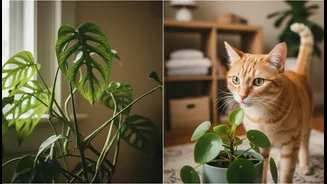
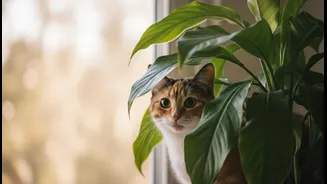
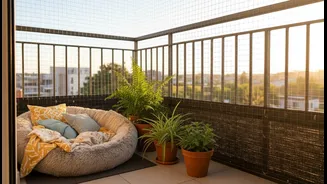
Creating a truly pet-safe garden involves more than just chemicals. Many common ornamental plants can also be toxic. Lilies are extremely dangerous for cats, causing kidney failure, while plants like sago palms, azaleas, and oleanders are toxic to both dogs and cats. Researching plants before you buy them is crucial. In India, safe and beautiful options include Areca Palm, Spider Plant, and Boston Fern. You can also consider creating a designated 'pet zone' in your garden with soft grass or sand where your furry companions can play and relax without getting into trouble.