



A Parsi Kitchen Classic
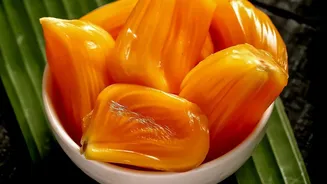
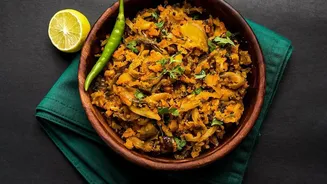
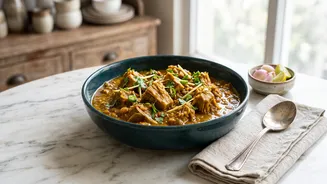
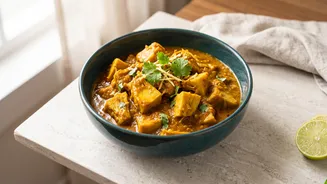
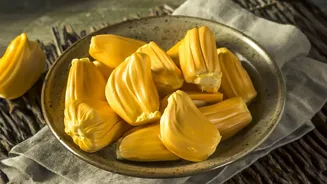
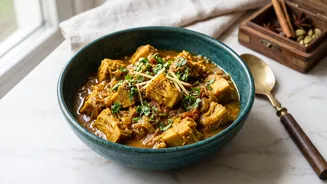
For generations, Parsi families have celebrated raw jackfruit, known as 'kathal', not as a trendy meat alternative, but as a delicious vegetable in its own right. Often prepared in a rich, aromatic gravy, 'kathal nu shaak' (jackfruit curry) is a testament
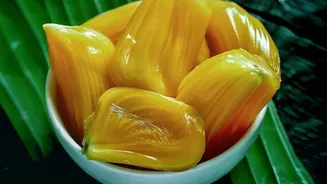
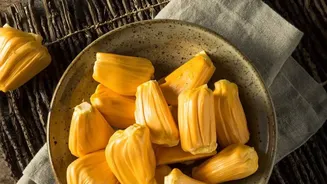
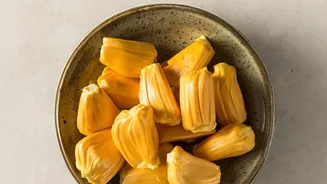
to the community's knack for creating complex flavours from simple, seasonal produce. Unlike its sweet, ripe form, which tastes like a tropical blend of mango and pineapple, unripe jackfruit has a neutral flavour. This makes it the perfect canvas for the bold spices typical of Parsi cooking—a blend of tangy, spicy, and subtly sweet notes that define the cuisine. The fibrous texture of the raw fruit, when cooked, becomes tender and satisfying, holding its own in a hearty curry.
Your Guide to Parsi Kathal Nu Shaak
This recipe brings the authentic taste of a Parsi home to your kitchen. Preparing fresh jackfruit can seem daunting due to its sticky sap, so it's wise to oil your hands and knife beforehand. Alternatively, canned or pre-cut frozen raw jackfruit is a convenient option. The first step is to boil the jackfruit pieces with a pinch of salt and turmeric until just tender but not mushy. This pre-cooking step is crucial for achieving the right texture. The heart of the dish is the masala. Start by frying whole spices like cinnamon, cloves, and bay leaves. Then, sauté finely chopped onions until golden brown before adding ginger-garlic paste and a flavourful blend of ground spices, including coriander, cumin, and Kashmiri red chilli powder for colour. Many Parsi preparations include tomatoes and a touch of whisked curd or tamarind for a gentle tang that balances the richness.
Bringing the Curry Together
Once the masala is fragrant and the oil begins to separate, the pre-cooked jackfruit pieces are added to the pan. Gently mix to coat the jackfruit thoroughly with the aromatic spice base. A little water, perhaps the very water the jackfruit was boiled in, is then added to create a luscious gravy. The curry is then covered and simmered on a low flame, allowing the jackfruit to absorb all the flavours and become incredibly tender. This slow simmering is what transforms the dish, melding the individual ingredients into a cohesive, flavour-packed whole. A final sprinkle of garam masala and fresh coriander leaves adds a burst of freshness just before serving. This curry is traditionally enjoyed with hot chapatis or steamed rice.
The Secret to its 'Meaty' Texture
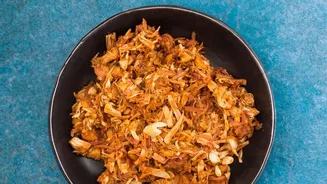
So, what exactly makes unripe jackfruit such a convincing substitute for meat? The magic lies in its unique physical structure. Raw jackfruit has a dense, fibrous consistency that, when cooked, shreds in a way that closely mimics pulled pork or chicken. This stringy, chewy quality provides the satisfying mouthfeel that many people look for in meat dishes. Unlike ripe jackfruit, which is soft and sweet, the young, green fruit is starchy and has a completely neutral taste. This blandness is actually its greatest strength as a meat alternative; it acts like a sponge, soaking up the flavours of any sauce, marinade, or spice blend it's cooked in. Whether it's a smoky barbecue sauce or a complex Indian curry, the jackfruit adopts the surrounding flavours, making it incredibly versatile.
A Nutritious Choice
While jackfruit's texture is its main claim to fame, it also offers notable nutritional benefits. It is low in calories and fat, and a good source of dietary fibre, which is absent in meat products. It is also packed with essential nutrients, including vitamin C, vitamin B6, potassium, and magnesium. These contribute to everything from immune function to maintaining healthy blood pressure. However, it's important to note that while it can texturally replace meat, it is not a high-protein ingredient. A cup of jackfruit contains only a couple of grams of protein, so if you are relying on it as your main meat substitute, it is a good idea to pair it with protein-rich foods like legumes or quinoa to ensure a balanced meal.