




Aerospace and Propulsion Engineer
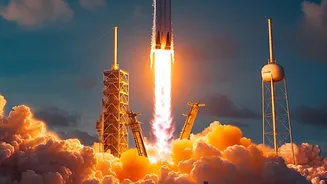
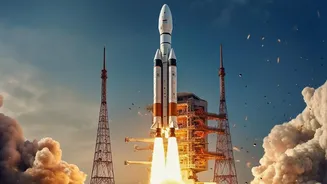
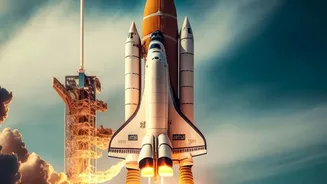
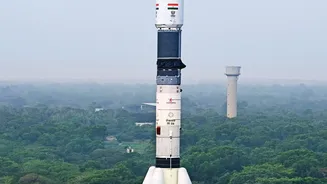
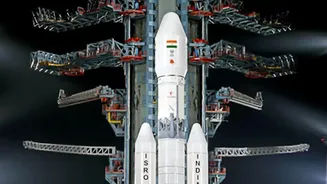
This is the classic 'rocket scientist' role, focused on the design, development, and testing of spacecraft, launch vehicles, and their propulsion systems. Engineers in this field work on the very machines that travel to space, from the powerful engines
that defy gravity to the complex structures of satellites and rockets. A Bachelor's or Master's degree in Aerospace, Aeronautical, or Mechanical Engineering is the typical starting point. While the Indian Space Research Organisation (ISRO) has been the primary recruiter, the rapid growth of private companies like Skyroot Aerospace and Agnikul Cosmos means there are more doors open now than ever for aspiring rocket engineers. These roles demand a deep understanding of physics, materials science, and fluid dynamics.
Satellite Systems Engineer
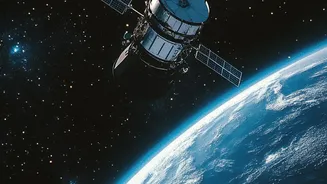
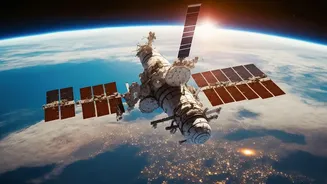
Satellites are the workhorses of the space economy, used for everything from communication and navigation to weather forecasting and Earth observation. A Satellite Systems Engineer oversees the entire lifecycle of a satellite, from initial concept and design to integration, testing, and in-orbit operations. This is a multidisciplinary role requiring a B.Tech or M.Tech in fields like Electronics and Communication, Computer Science, or Mechanical Engineering. Professionals in this area ensure that all the satellite's components—power systems, communication payloads, and control mechanisms—work together seamlessly. They find employment at ISRO centres like the U R Rao Satellite Centre (URSC) as well as private firms like Dhruva Space that are building the next generation of small satellites.
Space Data Scientist and Analyst
Every satellite and probe collects vast amounts of data. A Space Data Scientist or Analyst is a professional who makes sense of this information. They process imagery and signals from Earth observation, weather, and communication satellites to provide actionable insights for various industries, including agriculture, urban planning, disaster management, and finance. This is one of the fastest-growing fields in the space sector. A strong background in computer science, data analytics, or a specific domain like geology or atmospheric science, combined with skills in machine learning and GIS (Geographic Information System), is essential. Companies like SatSure and Pixxel are leading the charge in this domain in India.
Avionics and Robotics Engineer
Avionics engineers are responsible for the 'brains' of a spacecraft—its electronic systems, including navigation, communication, and control systems. They ensure the vehicle can be controlled, communicate with ground stations, and execute its mission autonomously. A degree in Electronics and Communication or Electrical Engineering is key. Closely related is the field of space robotics, which involves developing robotic systems for exploration (like rovers), satellite servicing, and in-space manufacturing. As missions become more complex, the need for sophisticated automation and robotics is booming, creating roles for engineers who can blend mechanical design with artificial intelligence.
Space Law and Policy Advisor
Not all space careers require an engineering degree. As the space domain becomes more commercial and crowded, the need for legal and policy experts is growing significantly. Space Lawyers work on issues like international treaties, liability for satellite collisions, space debris mitigation, and the legality of space mining. They advise government agencies like ISRO and IN-SPACe, as well as private companies, on regulatory compliance, contracts, and intellectual property. A law degree followed by a specialization or master's program in Air and Space Law can open doors to this unique and influential career path, shaping the rules for humanity's future in space.