




Jamun (Java Plum): The Antioxidant Powerhouse
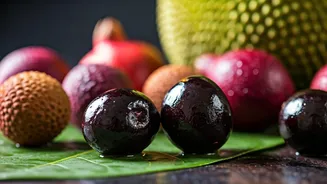
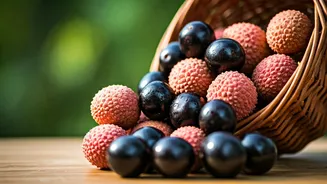
Often found in South and Southeast Asia, the jamun, or Java plum, is a deep purple, olive-sized fruit that perfectly embodies the moody, rain-swept season in which it thrives. Its flavor is a complex journey, starting sweet and morphing into a tart, slightly
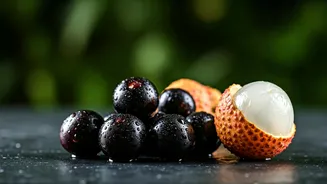
astringent finish that leaves your tongue tingling. Beyond its unique taste, jamun is celebrated for its dense nutritional profile. It's packed with antioxidants, particularly anthocyanins, which give the fruit its dark color and are known for fighting cellular damage. Rich in vitamin C and iron, jamun can support a healthy immune system and energy levels. While it's a rare find in mainstream U.S. supermarkets, you can often locate fresh or frozen jamun at Indian or Asian grocery stores during the summer months. It’s typically eaten fresh with a sprinkle of salt to balance the astringency.
Lychee: The Sweet Hydration Helper
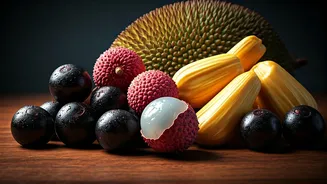
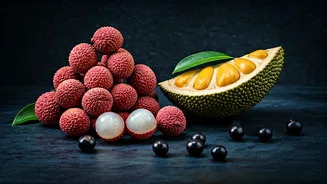
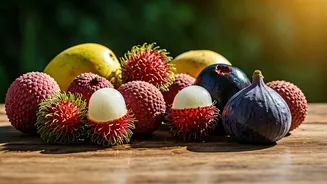
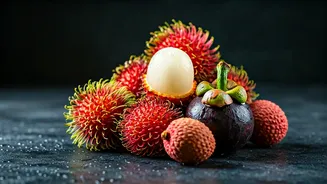
Slightly more familiar to American palates, the lychee is a true gem of the monsoon season. Encased in a bumpy, rose-colored peel, the translucent white flesh inside is floral, fragrant, and incredibly juicy. That high water content makes it an excellent choice for staying hydrated during hot, humid weather. But lychees are more than just a refreshing treat. They are an exceptional source of vitamin C, a single serving providing a significant portion of your daily requirement, which is vital for immune function and skin health. They also offer a good amount of potassium, an electrolyte that helps regulate fluid balance and blood pressure. While canned lychees are available year-round, the flavor of fresh lychees, found in many Asian markets from late spring through summer, is incomparable. Simply peel and enjoy this sweet, perfumed fruit on its own.
Pomegranate: The Heart-Healthy Jewel
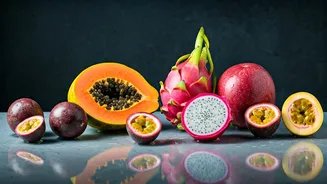
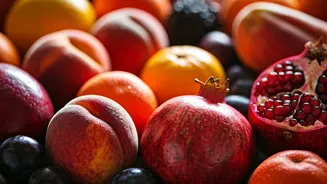
Though available for a long season in the U.S., pomegranates are a celebrated monsoon and post-monsoon fruit in many parts of the world. Cracking open its leathery skin reveals hundreds of jewel-like seeds, called arils, bursting with sweet-tart juice. Pomegranates have earned a stellar reputation as a superfood, largely thanks to their powerful polyphenol antioxidants, including punicalagins. These compounds have been studied for their potential to reduce inflammation and support cardiovascular health by improving cholesterol profiles and blood flow. The fruit is also a great source of fiber (if you consume the seeds) and vitamin K. Pomegranates offer a satisfying crunch and a burst of flavor to salads, yogurts, and oatmeal, or you can simply eat the arils by the spoonful for a healthy, satisfying snack.
Jackfruit: The Versatile Wellness Giant
As the largest tree-borne fruit in the world, the jackfruit is an unmissable sight in the tropical regions where it grows. During the rainy season, these behemoths mature, offering two distinct culinary experiences. When ripe, its fleshy pods are sweet, with a unique flavor often compared to a blend of banana, pineapple, and mango. It’s a fantastic source of dietary fiber, which aids digestion, and is rich in potassium and vitamin C. But its unripe, green form has gained immense popularity in the U.S. as a meat substitute. Its fibrous texture mimics that of pulled pork or chicken, making it a staple in vegan cuisine. Unripe jackfruit is low in calories and absorbs savory flavors beautifully. Whether you’re trying it sweet or savory, jackfruit is a nutritional workhorse worth exploring. Look for it canned in brine (for savory dishes) or syrup (for dessert) at specialty and Asian markets.
Longan: Lychee's Milder Cousin
If you're a fan of lychee, you'll want to get acquainted with its close relative, the longan. The name translates to "dragon eye" in Chinese, a nod to its translucent flesh surrounding a single black seed. Smaller than a lychee with a smooth, light-brown skin, the longan offers a more subtle, musky sweetness. It’s less floral than a lychee but equally refreshing and juicy. Nutritionally, it holds its own as a solid source of vitamin C, contributing to a robust immune system. It also contains trace minerals like iron, magnesium, and phosphorus. Peeling a longan is simple—just press near the stem to crack the thin shell and pop the fruit out. It's a perfect, poppable snack for a hot day. Seek them out fresh in Asian markets during the summer, often sold still attached to their branches.