


Banana Stem Kootu
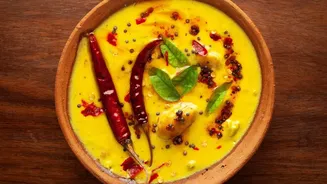
The inner stalk of the banana plant, or vazhaithandu, is often overlooked but is a treasure trove of texture and nutrients. This crunchy, fibrous vegetable is brilliant in a South Indian 'kootu', a gentle stew made with lentils, coconut, and mild spices.
The stem itself has a subtle, slightly sweet taste and a delightful crunch that holds up even when cooked. This dish transforms the humble stem into a comforting and healthy side, perfect with hot rice and a dollop of ghee.
Jackfruit Seed Poriyal
Don't throw away the seeds after you've enjoyed a sweet, ripe jackfruit. These seeds, known as 'palakottai', have a wonderful, nutty flavour similar to chestnuts when cooked. A 'poriyal' (a South Indian stir-fry) is a fantastic way to use them. After boiling to soften them, the seeds are sautéed with mustard seeds, curry leaves, onions, and a generous amount of grated coconut. The result is a delightfully chewy and savoury dish that’s packed with protein and a unique taste.
Ridge Gourd Peel Chutney
Here's a true zero-waste hero. The peels of ridge gourd ('turai' or 'peerkangai'), which are almost always discarded, can be turned into a zesty and spicy chutney. The peels are sautéed with lentils, garlic, red chillies, and tamarind before being ground into a coarse paste. This chutney, popular in many South Indian homes, has a surprisingly complex flavour profile—earthy, tangy, and spicy all at once. It's a testament to how the most ignored parts of a vegetable can be the most delicious.
Moringa Leaves Dal
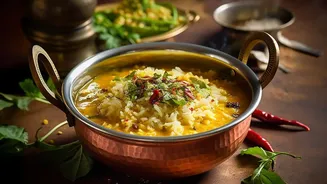
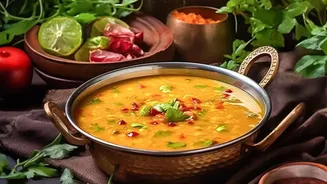
While drumsticks ('sahjan' or 'moringa') are a staple in many Indian kitchens, their leaves are often left behind. These tiny leaves are nutritional powerhouses, packed with iron and vitamins. One of the easiest and most comforting ways to enjoy them is in a 'dal'. The slightly bitter, earthy flavour of the moringa leaves beautifully complements the creaminess of toor or moong dal. A simple tadka of ghee, cumin, and garlic is all it takes to elevate this dish into a wholesome meal.
Patra or Arbi ke Patte
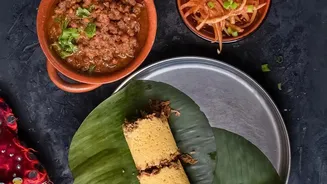
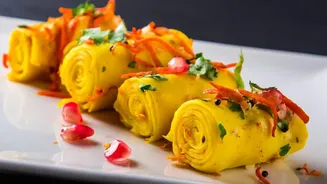
Taro leaves ('arbi ke patte' or colocasia leaves) are those large, heart-shaped greens you might see bundled up at the market. In the hands of a skilled cook, they become 'patra', a beloved snack in Gujarat and Maharashtra. The leaves are layered with a spiced gram flour (besan) paste, rolled up, steamed, and then sliced into pinwheels. These can be eaten as is or shallow-fried for a crispy finish. The taste is a wonderful mix of savoury, sweet, and tangy flavours.
Bharwan Parwal (Stuffed Pointed Gourd)
Pointed gourd, or 'parwal', is a staple in Eastern and Northern India but often gets ignored elsewhere. This humble vegetable shines when it's stuffed ('bharwan'). The parwal is scraped, slit, and filled with a flavourful masala made from spices, onions, and sometimes crushed paneer or potato. Pan-fried until tender, the parwal becomes a juicy, flavour-packed vessel for the spicy filling, making it a fantastic main course with rotis.
Kamal Kakdi ki Sabzi (Lotus Stem Curry)
Lotus stem, or 'kamal kakdi', with its unique, lace-like appearance, might seem intimidating to cook. However, this aquatic vegetable has a wonderfully crisp texture and a mild, sweet flavour. It's fantastic in a simple North Indian curry. The sliced stems are typically pressure-cooked to become tender and then simmered in an onion-tomato gravy with classic Indian spices. The crunchy texture remains even after cooking, providing a satisfying bite that’s unlike any other vegetable.
Chaulai ka Saag (Amaranth Greens Stir-fry)
Amaranth leaves, or 'chaulai', are available in both green and red varieties and are incredibly nutritious. While they might look like just another leafy green, they have a robust, earthy flavour that’s more distinctive than spinach. A simple 'saag' or stir-fry from Uttar Pradesh highlights this flavour beautifully. The chopped leaves are cooked with garlic, onions, and a few spices until tender. It’s a quick, healthy, and delicious way to enjoy a green that deserves more love.