







The Unseen Highways of the Wild
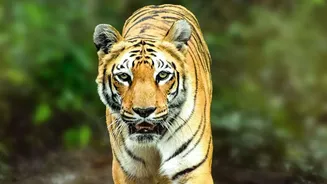
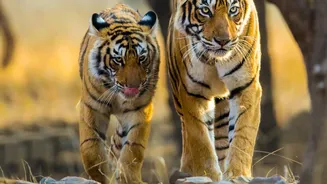
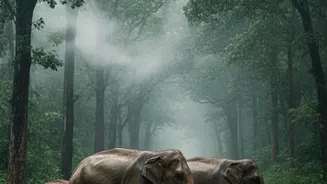
Imagine a highway system used not by cars, but by tigers, elephants, and leopards. These are wildlife corridors: natural strips of land that connect larger, isolated forest patches. They are the bridges between islands of biodiversity, allowing animals
to move freely and safely to find food, mates, or new territory. For species that require vast areas to roam, like tigers and elephants, these corridors are not just convenient—they are essential lifelines. Without them, protected areas like national parks and tiger reserves risk becoming prisons, genetically isolating the very populations they are meant to protect.
More Than Just a Pathway
The importance of these corridors extends far beyond simple movement. They are critical for maintaining genetic diversity. When animal populations are separated, they can suffer from inbreeding, which weakens their gene pool and makes them more vulnerable to disease and environmental changes. Corridors allow for genetic exchange between different populations, ensuring the long-term health and resilience of the species. For example, studies in Central India have shown that no single tiger sub-population is genetically viable on its own; they depend on the network of corridors to interact and thrive. These passages are also crucial during natural events like the annual floods in Kaziranga, when animals need to move to higher ground.
The Concrete and Steel Blockade
India's rapid economic growth has come with a vast expansion of infrastructure. New highways, railway lines, and expanding cities are slicing through these once-unbroken natural landscapes. This process, known as habitat fragmentation, is one of the most significant threats to India's wildlife. According to the Wildlife Institute of India, tens of thousands of kilometres of roads have been built through the country's forests and protected areas. Major arteries like National Highway 44 and National Highway 6 cut directly through critical corridors connecting tiger reserves in Central India, such as the vital Kanha-Pench corridor. This infrastructure creates physical and psychological barriers that animals are often unable or unwilling to cross, effectively trapping them in smaller, less sustainable habitats.
When Worlds Collide
When their traditional routes are blocked, animals don't just disappear—they are forced into human-dominated areas. This is a primary driver of the escalating human-wildlife conflict across India. Elephants raid crops in fields that were once part of their migratory paths, leopards prey on livestock in villages bordering fragmented forests, and tigers wander into human settlements. These encounters often end tragically for both humans and animals, leading to loss of life, property damage, and retaliatory killings of wildlife. Furthermore, roads cutting through corridors lead to a high number of roadkills, with thousands of animals, including endangered species like tigers, dying in collisions with vehicles each year.
Engineering a Path for Coexistence
Fortunately, there is growing recognition of this crisis, and innovative solutions are being implemented. In a landmark effort, a series of wildlife underpasses and elevated corridors have been constructed along a stretch of National Highway 44 that cuts through the Pench Tiger Reserve. These 'ecoducts' allow animals to pass safely underneath the busy highway. Camera traps have revealed that a wide variety of species, including tigers, leopards, wild dogs, and sloth bears, are regularly using these underpasses. These projects demonstrate that with careful planning and political will, it is possible to balance development with conservation, creating infrastructure that serves both people and wildlife. Similar projects are now being incorporated into new expressways, offering a blueprint for a future where development does not have to come at the cost of our natural heritage.