
Feeling bloated, sluggish, or just 'off' after meals? You're not alone. The stresses of modern life and processed diets have waged a quiet war on our digestion. But the solution might not be in a supplement, but in our own kitchens.
The Modern Gut's Dilemma
Our digestive systems
are under unprecedented strain. Modern Western-style diets, often high in processed foods, sugar, and unhealthy fats, while being low in fibre, are a major culprit. This way of eating can reduce the variety of helpful microbes in our gut, leading to an unbalanced ecosystem. This imbalance, sometimes called 'dysbiosis', is linked to a host of digestive complaints, from bloating and discomfort to more serious chronic inflammation. The fast-paced nature of modern life, with its associated stress and reliance on quick, often nutrient-poor meals, only compounds the problem, leaving many people struggling with daily digestive woes.
An Ancient Answer from the Indian Kitchen
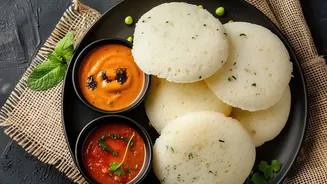
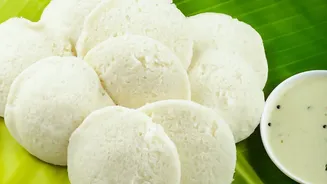
Long before 'probiotics' and 'gut microbiome' became wellness buzzwords, Indian households were already practising the art of gut health through fermentation. This age-old technique of preserving food is a cornerstone of traditional Indian cuisine, used to transform simple ingredients like rice, lentils, vegetables, and milk into delicious and highly digestible meals. From the fluffy idlis of the south to the tangy kanji of the north, fermentation was a practical way to extend shelf life, but its benefits run much deeper. This wisdom, passed down through generations, offers a powerful, natural solution to the very modern problem of poor digestion.
The Science of How Fermentation Works
Fermentation is a natural process where beneficial microorganisms like bacteria and yeast break down the components in food, such as starches and sugars. This process does several amazing things for our digestion. First, it 'pre-digests' the food, breaking down complex carbohydrates and proteins into simpler forms that are easier for our bodies to handle. This is why a fermented food like idli feels much lighter on the stomach than its raw ingredients would. Second, fermentation can increase the bioavailability of nutrients like B vitamins, iron, and calcium, meaning our body can absorb more of the good stuff. Finally, many fermented foods are rich in probiotics—the live, friendly bacteria that help maintain a healthy balance in our gut, supporting everything from digestion to immunity.
Your Probiotic Pantry: Key Indian Foods
Incorporating this ancient wisdom into your diet is easier than you think. Many of these foods are likely already familiar:
Dahi (Curd): Perhaps the most common and accessible probiotic food in India, homemade dahi is packed with live bacteria that aid digestion and can cool the stomach. Unlike many commercial yogurts, it contains diverse bacterial strains adapted to the local environment.
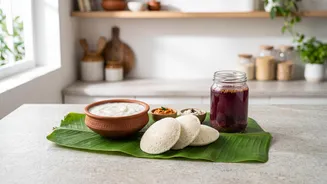
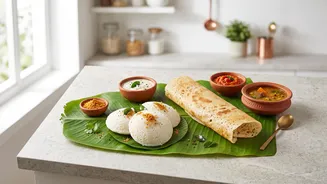
Idli, Dosa & Dhokla: The batters for these beloved dishes are fermented, which not only gives them their characteristic texture and taste but also makes them incredibly easy to digest. The fermentation process breaks down the complex starches in the rice and lentils.
Kanji: This traditional North Indian drink is made by fermenting black carrots or beetroot with mustard seeds. The result is a tangy, salty beverage teeming with probiotics that aids digestion.
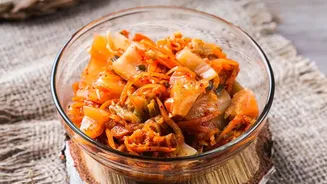
Traditionally Made Pickles (Achaar): While not all pickles are probiotic, those fermented naturally with salt and spices—and without vinegar or pasteurization—are a powerhouse of beneficial bacteria. They can enhance stomach acid production, which is crucial for good digestion.
Making It a Daily Habit
It’s important to distinguish between foods that are fermented and those that contain live probiotics. Cooking or heating, such as steaming idlis or cooking a dosa, will kill the live bacteria. However, the benefits of improved digestibility and nutrient availability remain. To get a dose of live cultures, focus on uncooked fermented foods. The easiest is dahi or chaas (buttermilk), which can be consumed daily. Enjoying a small portion of traditionally made, unpasteurised pickle with your lunch is another great option. For a powerful probiotic boost, a small glass of kanji can be a great addition to your routine. The goal isn't to overhaul your diet overnight, but to mindfully reintroduce these gut-friendly foods that have been a part of Indian food heritage for centuries.