



Food Packaging and Containers
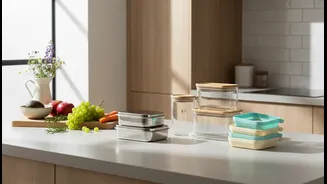
Plastic containers and packaging are a primary source of microplastic contamination. When you store, and especially when you heat, food in plastic containers, tiny particles can leach into your meal. Studies show that microwaving food in plastic can release
millions of microplastics and billions of even smaller nanoplastics. Even routine handling, like opening and closing caps and seals, can cause plastic to shed. Recent research estimates that thousands of tons of microplastics migrate from packaging into our food supply annually. To minimise this, consider transferring takeaways into ceramic or glass bowls immediately and avoid heating food in any plastic.
Cooking Utensils and Cutting Boards
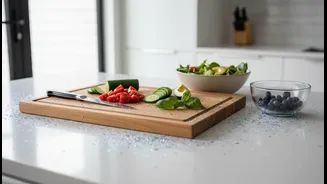
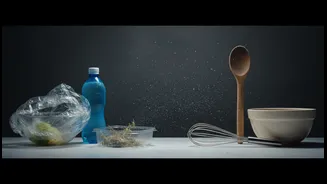
That trusty plastic spatula or nylon spoon could be adding more than just flavour to your food. When exposed to heat from a hot pan, plastic utensils can degrade, melt, or chip, releasing plastic particles and harmful chemical byproducts directly into your meal. Similarly, every chop on a plastic cutting board can shave off minuscule plastic fibres that get mixed into your ingredients. Research suggests that a person could ingest a significant amount of microplastics from worn polyethylene cutting boards over a year. Opting for tools made from wood, bamboo, or stainless steel is a safer choice for your kitchen.
Your Daily Cup of Tea or Coffee
Your morning ritual might come with a dose of microplastics. Many teabags, particularly the 'silky' pyramid-shaped ones, are made of plastics like nylon or polypropylene. When steeped in boiling water, a single plastic tea bag can release billions of particles into your cup. Paper tea bags are a better option, though some can contain plastic fibres in the sealant. Coffee drinkers aren't in the clear either, as disposable coffee cups are often lined with plastic that sheds when hot, and single-use coffee pods are another major contributor. For a cleaner brew, switch to loose-leaf tea with a metal infuser or use a French press or stainless steel coffee maker.
Synthetic Clothing and Textiles
It's not just about what we ingest; it's also about what's in our environment. Synthetic fabrics like polyester, nylon, and acrylic shed thousands of tiny plastic fibres every time they are washed. These microfibres travel from the washing machine into waterways and also become airborne, settling as dust in our homes. Because children often play on floors where dust accumulates, they can be more susceptible to inhaling or ingesting these particles. Choosing natural fibres such as cotton, linen, and wool for clothing and home furnishings can help reduce the amount of plastic dust in your living space.
Personal Care Products
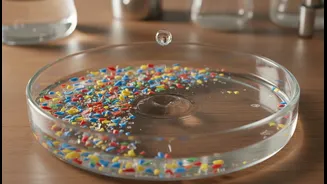
Many personal care and cosmetic products can be sources of microplastics. While many countries have banned the use of plastic microbeads in rinse-off products like face scrubs and toothpastes, they can still be found in other items. These tiny plastic particles are added for exfoliation or texture. Furthermore, the plastic packaging of these products can also contribute to exposure over time. Reading ingredient lists and opting for products from brands that are certified plastic-free can help you avoid these hidden plastics in your daily routine.
The Health Concerns
While research into the long-term effects of microplastics on human health is still developing, initial studies raise concerns. These particles have been found in human blood, lungs, and other organs. Animal and cell studies have linked exposure to issues like inflammation, immune system impairment, and reproductive health problems. The chemicals often found in plastics are also linked to endocrine disruption and other serious health issues. While the full picture is not yet clear, taking steps to reduce exposure is a sensible precautionary measure for your family's well-being.