



A Craving for Authenticity and Style
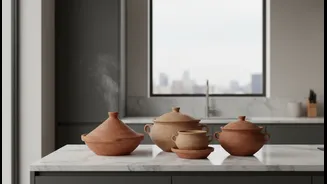
Part of terracotta's renewed appeal is purely aesthetic. Its earthy, reddish-brown tones and rustic texture offer a warm, organic contrast to the sleek, often sterile look of modern kitchens. For many, bringing a clay pot into their home is a deliberate
choice against mass-produced uniformity. It signals an appreciation for craftsmanship, tradition, and a slower, more mindful way of life. In a world dominated by digital screens and synthetic materials, the tangible, earthy feel of a clay pot connects us to something real. This trend aligns with a broader movement towards sustainable and eco-friendly living; terracotta is natural, biodegradable, and requires less energy to produce than its metal counterparts.
The Science of Superior Flavour
Beyond its good looks, terracotta offers tangible culinary benefits that even the most advanced cookware can't replicate. The secret lies in the clay's porous nature. When heated, it allows for the slow and even circulation of heat and moisture, gently braising food instead of aggressively boiling or frying it. This slow-cooking process helps retain the natural juices and nutrients of the ingredients, resulting in dishes that are more tender, aromatic, and deeply flavourful. Many cooks and chefs note that traditional recipes, like slow-cooked dals, curries, and stews, taste more authentic and complex when prepared in an earthen pot.
The Health-Conscious Choice
As health and wellness become central to our daily choices, what we cook with is as important as what we cook. Terracotta pots are emerging as a popular choice for health-conscious individuals. Made from natural clay, pure and unglazed pots are free from synthetic chemicals, heavy metals, and toxins that can potentially leach from some non-stick or metal pans. Clay is also naturally alkaline, which can help neutralize the acidity in foods, making them easier to digest. Furthermore, the excellent moisture retention of clay pots means that less oil is needed for cooking, allowing for lighter, lower-fat meals without sacrificing flavour.
Getting Started with Your Clay Pot
Adopting this ancient cooking method requires a little know-how. Most new unglazed terracotta pots need to be seasoned before their first use, which typically involves soaking them in water for several hours to temper the clay. A cardinal rule of clay pot cooking is to avoid 'thermal shock'—sudden, extreme temperature changes that can cause the pot to crack. Always place your clay pot in a cold oven and let it heat up gradually with the oven itself. Similarly, when you take a hot pot out, place it on a wooden board or a cloth trivet, never on a cold stone countertop. Cleaning is also gentle; avoid harsh soaps on unglazed pots, opting instead for a soft sponge and warm water to preserve the pot's natural seasoning.