





The Nutritional Divide
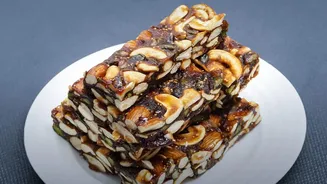
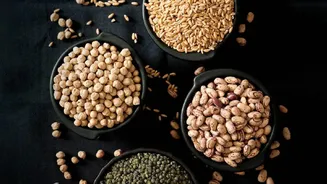
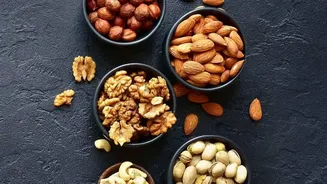
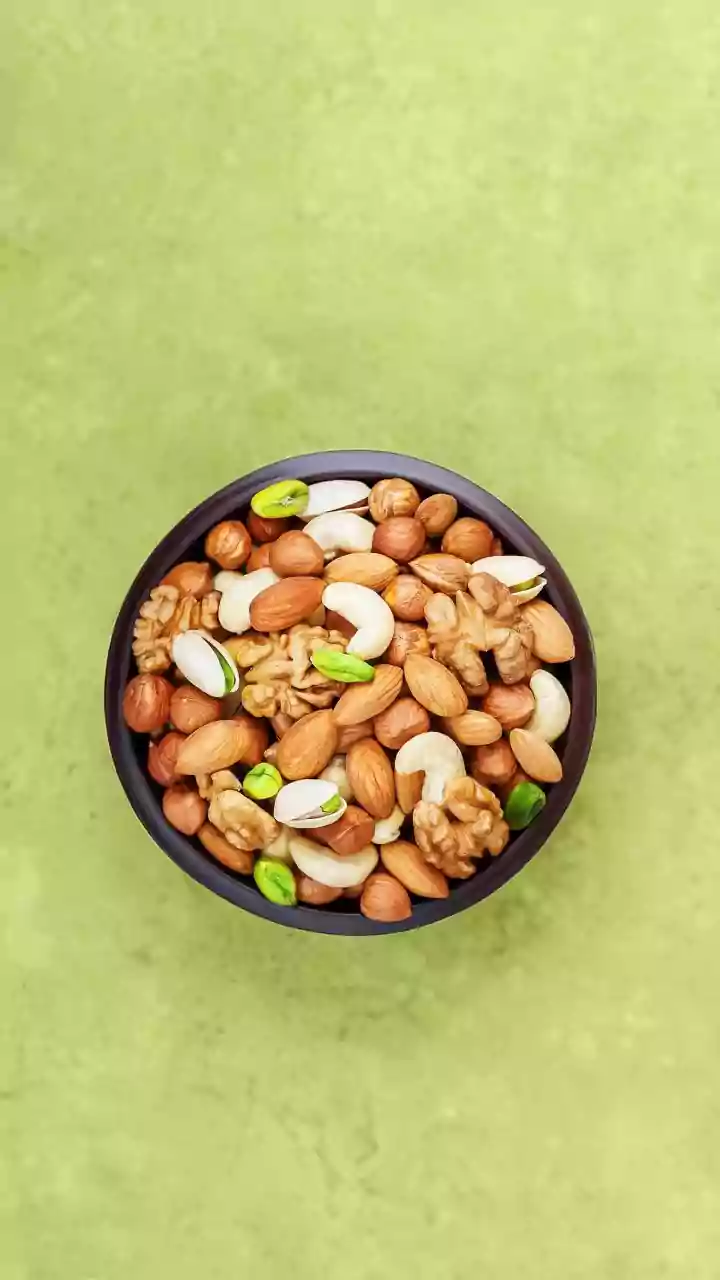
At a glance, nuts and packaged snacks like chips or biscuits occupy different nutritional worlds. Nuts are packed with nutrients your body needs. Almonds are a great source of vitamin E, walnuts are rich in omega-3 fatty acids, and cashews provide minerals
like magnesium. They offer a balanced mix of healthy monounsaturated and polyunsaturated fats, plant-based protein, and dietary fibre. This combination is linked to a reduced risk of heart disease and diabetes. In contrast, many popular packaged snacks fall into the category of 'ultra-processed foods'. These are industrial formulations often loaded with added sugar, unhealthy fats, and sodium while offering very little nutritional benefit. They are often described as providing 'empty calories' because they lack the essential vitamins and minerals your body requires.
The Fullness Factor: Satiety Matters
Have you ever finished a bag of chips only to feel hungry again shortly after? That’s because many processed snacks made from refined carbohydrates lack the protein and fibre needed to make you feel full. Nuts, on the other hand, excel in this area. The combination of protein, fibre, and healthy fats slows down digestion, providing a sustained release of energy and promoting a longer-lasting feeling of fullness, or satiety. Studies have shown that snacking on nuts can increase satiety and may even lead to consuming fewer calories overall during subsequent meals. This makes them a powerful tool for managing hunger and supporting weight management, despite being calorie-dense.
The Problem with Processing
The term 'ultra-processed' refers to foods that contain ingredients you wouldn't typically find in a home kitchen, like artificial colours, flavour enhancers, and preservatives. Common examples include soft drinks, instant noodles, packaged cookies, and chips. A growing body of research links high consumption of these foods to a greater risk of serious health issues, including obesity, heart disease, type 2 diabetes, and even certain types of cancer. These products are engineered to be 'hyper-palatable', making them intensely appealing and easy to overeat. Nuts in their raw or dry-roasted form are a whole food, minimally processed and naturally free from these artificial additives. This simple, clean ingredient list is one of their biggest advantages.
Reading the Labels: Not All Snacks Are Equal
This isn't to say all nuts are perfect and all packaged snacks are bad. The key is to become a savvy label reader. When choosing nuts, opt for raw or dry-roasted varieties. Many packaged nuts come salted, honey-roasted, or coated in candy, which adds significant amounts of sodium and sugar. A single serving should ideally have less than 140mg of sodium. Similarly, the world of packaged snacks has healthier options if you know what to look for. A good rule of thumb is the 'Rule of Five': if a snack has five or fewer ingredients and you recognize them, it's likely a better choice. Look for snacks high in fibre and protein and low in added sugars. Many snack bars, for example, are marketed as healthy but can contain as much sugar as a candy bar.
The Verdict: Mindful Choices Over Strict Rules
While nuts generally offer superior nutritional value, satiety, and long-term health benefits compared to most packaged snacks, they are also more calorie-dense and can be more expensive. Packaged snacks offer undeniable convenience and affordability. The goal isn't to completely eliminate one for the other, but to make more conscious choices. Replacing a daily bag of chips with a handful of almonds can significantly improve the quality of your diet. For times when convenience is paramount, knowing how to pick a better-for-you packaged snack by checking for low sodium and sugar content makes all the difference. The most powerful tool is awareness of what you're eating and why.