








An AI Guide in Your Pocket
Andhra Pradesh is poised to become India's first state to offer AI-powered guides across its major tourist destinations. The state's tourism authority has signed a three-year agreement with Indian travel-tech company Explurger to deploy its multilingual
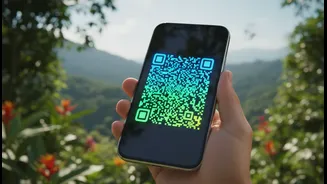
conversational platform, NiVU AI. The plan is to introduce the service at over 100 locations, including major temples, beaches, forts, and heritage monuments. The rollout will happen in phases, starting with 30 flagship sites in the first year. Tourists will not need to download a special app; instead, they can simply scan a QR code at a site to start a conversation with the AI guide through voice or text. The service, which will be free for visitors, follows a successful pilot project at the Mangalagiri temple complex that received positive feedback from devotees and authorities.
More Than Just Translation
The core promise of this AI is to go beyond simple, literal translation. The platform, called NiVU AI (Neural Intelligence Vernacular Unified Model), is designed to provide information on the history, culture, and religious significance of a place in over 130 Indian and international languages. According to Tourism Minister Kandula Durgesh, who tested the platform in Telugu, the AI provides accurate and meaningful information about local heritage. The system is also designed to be interactive, suggesting nearby attractions based on a visitor's interests. This move toward contextual understanding is a crucial step. Standard translation apps often fail to capture cultural nuances, idioms, or the specific historical significance that makes a site unique—a persistent challenge for all AI translation systems. By training the AI on specific local information, the goal is to create a more enriching experience than a generic translation tool could offer.
The Power of Voice and Data
A key feature of the initiative is its voice-first capability, allowing tourists to simply speak their questions. This makes the technology highly accessible, especially in a country with diverse literacy levels. It removes the friction of typing and navigating complex menus, a common barrier in many digital tools. Beyond assisting tourists, the NiVU AI platform will generate valuable real-time data for the state's tourism department. It will provide insights into visitor demographics, the most frequently asked questions, language preferences, and travel patterns. This data-driven approach can help officials better plan for tourism development, improve services, and formulate more effective policies, aligning with the state's long-term 'Swarna Andhra Vision-2047'.
Acknowledging AI's Inherent Limits
While the initiative is ambitious, the headline's mention of not "removing its limits" is an important dose of reality. AI translation, despite huge leaps, still has significant limitations. AI models can struggle with understanding deep context, sarcasm, and complex or ambiguous phrasing. They also risk perpetuating biases present in their training data. The accuracy for less common languages or dialects can also be lower than for widely spoken ones. Furthermore, in highly specialized domains like history or religion, there's always a risk of 'AI hallucinations', where the model generates plausible but incorrect information. Therefore, while the AI guide is a powerful tool for accessibility and engagement, the expertise of human guides and the critical thinking of the traveller remain indispensable. The technology is a supplement, not a replacement.
A Blueprint for Indian Tourism?
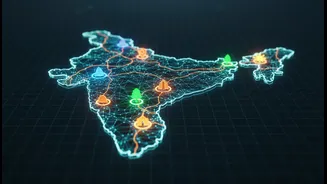
Andhra Pradesh's initiative is part of a broader trend of integrating AI into India's tourism sector, which is projected to grow significantly. As the first state to attempt a statewide rollout of such a service, its progress will be closely watched. If successful, this model of app-free, QR-code-based AI guides could be replicated across the country, transforming how both domestic and international tourists experience India's vast cultural heritage. The project highlights a shift from basic digital tools to more intelligent, context-aware systems that can handle India's immense linguistic diversity. It's a major step in making travel more seamless and informative, but it also serves as a real-world test for the promises and challenges of applying AI on a massive scale.