







What Is a Smart Kitchen, Anyway?
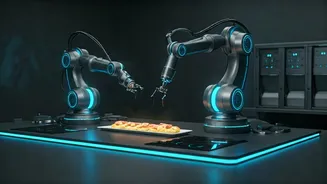
Forget the image of a talking fridge that just tells you you’re out of milk. A true smart kitchen is an interconnected ecosystem of appliances that communicate with each other and you. It’s about automation and efficiency. Think of a chimney that turns
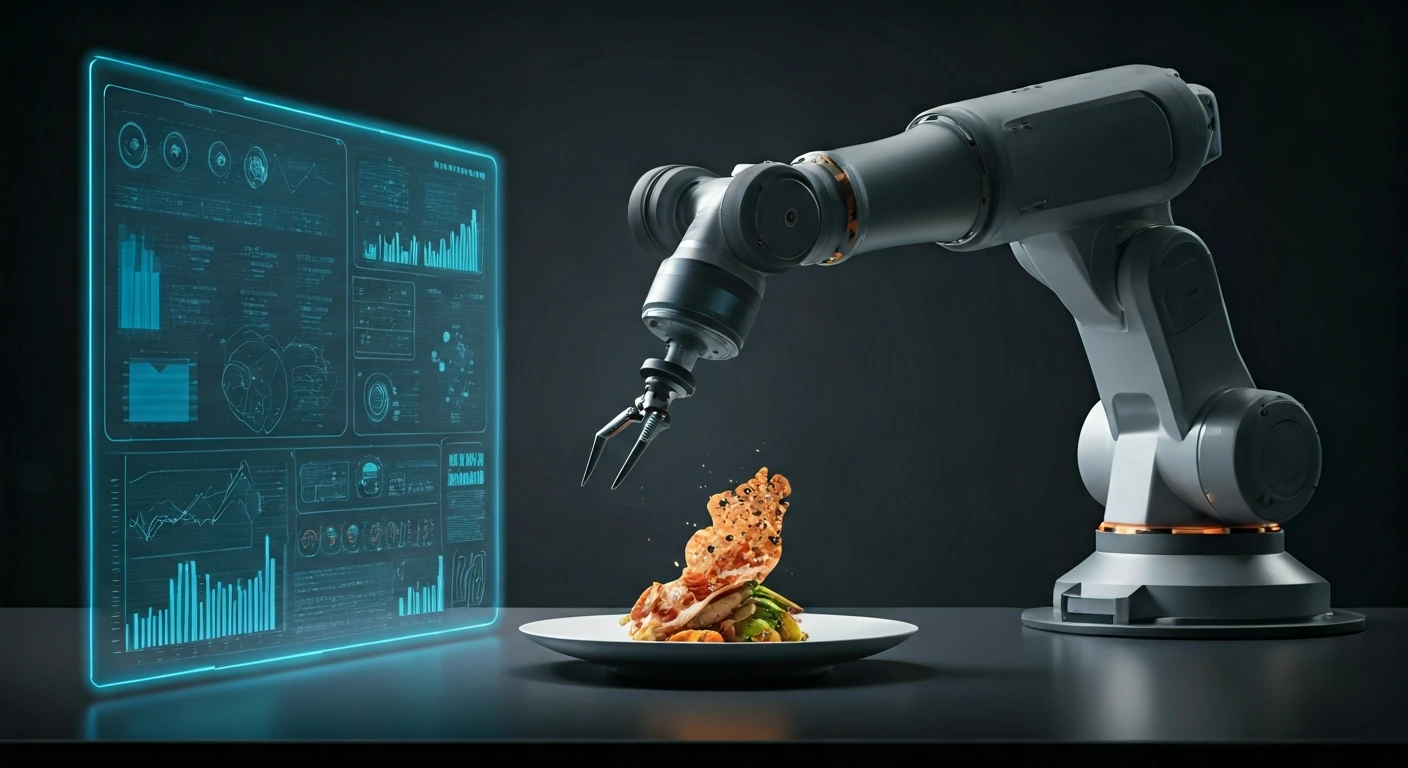
on automatically when it senses smoke from the hob, an oven you can preheat from your car, or an AI-powered cooker that guides you through a recipe step-by-step. These aren't just gadgets; they are integrated systems designed to save time, reduce effort, and even help you cook better and healthier. This shift is part of the broader smart home trend, where the Internet of Things (IoT) is moving beyond phones and TVs into the most functional rooms of the house.
The Tech Taking Over the Tawa
Several key technologies are leading this charge in India. Smart cooking appliances are a major focus, with Indian startups like Upliance.ai and Nosh creating AI-powered devices that can handle everything from chopping and sautéing to cooking a complete meal in a single jar. Upliance, which gained fame on Shark Tank India, uses generative AI to help users create recipes, track nutrition, and automate complex cooking processes for hundreds of dishes. Beyond these all-in-one cookers, we're seeing a surge in smart refrigerators, app-controlled air fryers, and induction cooktops that offer precise temperature control. Even traditional appliances like chimneys are getting smarter, with plug-and-play models that don't require major renovations, solving a common problem for renters in urban India.
Why Now? The Drivers of Adoption
The smart kitchen boom isn't happening in a vacuum. A perfect storm of social and economic factors is driving adoption. Rising disposable incomes, rapid urbanisation, and the prevalence of dual-income households mean time is a more valuable commodity than ever. Consumers, particularly millennials and Gen Z, are seeking convenience and efficiency. The pandemic also played a role, renewing focus on home cooking and hygiene. Furthermore, increasing internet penetration and the growing smart home ecosystem, powered by voice assistants like Alexa and Google Assistant, have made integrating these devices seamless. As a result, the Indian smart kitchen appliances market is projected to grow significantly, with some analysts predicting a compound annual growth rate of over 20%.
More Than Just Faster Food
The benefits of a smart kitchen extend beyond just saving a few minutes on dinner. These technologies are promoting healthier lifestyles by making it easier to track nutritional information and control cooking methods, such as using less oil. They can also help reduce food waste; for example, a smart fridge could suggest recipes based on ingredients that are about to expire. For many, the kitchen is also becoming a space for entertainment and socialising, with open layouts and integrated displays becoming more common. This transforms cooking from a solitary chore into a more enjoyable and interactive experience. For those with little to no cooking experience, guided cooking assistants can finally make homemade meals an accessible option.
The Road Ahead and Its Hurdles
Despite the momentum, the path to a fully smart kitchen in every Indian home has its challenges. The high initial cost of these appliances remains a primary barrier for many, though prices are gradually falling as local manufacturing increases. Reliable internet connectivity, crucial for these devices to function, is not yet universal. There's also a significant cultural component; cooking in India is often a deeply ingrained, hands-on tradition, and the idea of a robot making biryani may take some getting used to. However, as brands get better at tailoring their products to Indian cooking styles and tastes, and as consumers continue to prioritise convenience, the smart kitchen is set to become an increasingly common feature in the modern Indian home, turning from a luxury into a necessity.