







Why Hydration Isn't One-Size-Fits-All
Staying hydrated is fundamental to your health and exercise performance. Water regulates body temperature, lubricates joints, and transports nutrients to give you energy. Even mild dehydration can impair endurance and strength. However, the common advice
to simply 'drink more water' is an oversimplification. The ideal hydration strategy depends on three key factors: the duration of your exercise, its intensity, and the environment you're in. A 45-minute weightlifting session in an air-conditioned gym and a two-hour run on a hot, humid day place entirely different demands on your body, requiring unique approaches to fluid and nutrient replacement.
The Short Gym Workout: Focus on Water
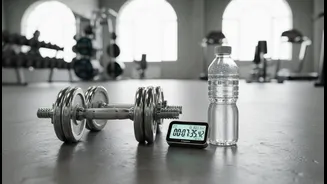
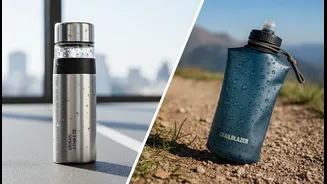
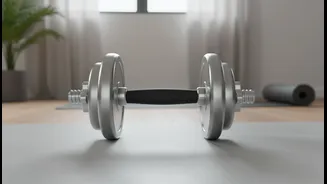
For most typical gym sessions lasting 60 minutes or less, plain water is your best friend. Whether you're lifting weights, doing a HIIT class, or spending time on the elliptical, your primary goal is to replace the fluid lost through sweat. In this timeframe, your body's electrolyte and glycogen (stored carbohydrate) stores are generally not depleted enough to need urgent replacement. Arriving at the gym well-hydrated is crucial; a good rule of thumb is to drink about 500-600 ml of water two to three hours before your workout. During the session, sipping water every 15-20 minutes is sufficient to maintain performance. While strength training may not make you sweat as much as cardio, dehydration can still reduce strength and power, so keeping a bottle handy is a non-negotiable.
The Long Outdoor Run: Replacing More Than Fluid
Once your workout extends beyond 60-90 minutes, especially outdoors, the game changes. During a long run, you lose significant amounts of both water and crucial electrolytes—like sodium and potassium—through sweat. These minerals are vital for nerve function and muscle contractions, and failing to replace them can lead to cramps and decreased performance. This is where sports drinks containing electrolytes and carbohydrates become beneficial. The carbohydrates provide a readily available energy source to prevent 'bonking' or hitting the wall when your glycogen stores run low. Environmental factors like heat and humidity drastically increase sweat rates, making electrolyte and fluid replacement even more critical to manage your core body temperature and sustain effort.
Water vs. Sports Drinks: Making the Choice
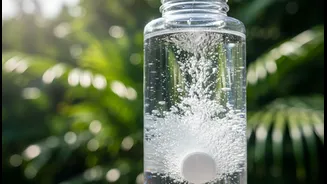
The choice between water and a sports drink comes down to workout duration and intensity. Water is perfect for activities under an hour, as it effectively rehydrates without adding unnecessary sugars or calories. Sports drinks are designed for endurance. For exercise lasting longer than 90 minutes, they help maintain energy levels and electrolyte balance. The sodium in these drinks also helps your body absorb and retain fluid more effectively than water alone. However, using sports drinks for shorter, less intense workouts can lead to consuming excess sugar. For those in-between workouts, or for salty sweaters, electrolyte tablets or powders added to water can be a great, low-sugar alternative.
Common Hydration Mistakes to Avoid
One of the biggest errors is starting a workout already dehydrated. Your performance can be compromised before you even begin. Aim to be well-hydrated throughout the day. Another mistake is over-drinking plain water during very long endurance events. This can dilute your body's sodium levels, a dangerous condition known as hyponatremia. On the flip side, some strength-training athletes may be prone to over-drinking during a session, as they sweat less than endurance athletes but still consume large amounts of water. Finally, don't wait until you're thirsty. Thirst is an indicator that dehydration is already underway. For longer activities, it's better to drink on a schedule, sipping small amounts regularly.