




More Than Just Smoke and Ash
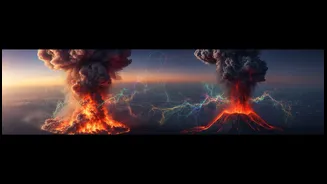
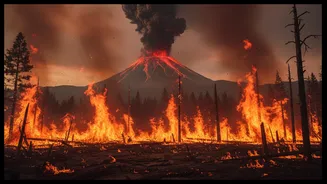
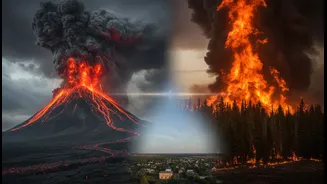
When a massive wildfire burns with enough intensity, it can create its own weather system. The extreme heat generates a powerful updraft, forming a towering, smoke-infused thundercloud known as a pyrocumulonimbus (pyroCb). These explosive clouds act like
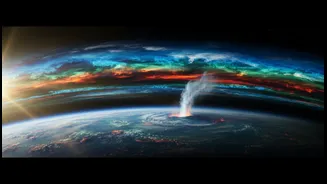
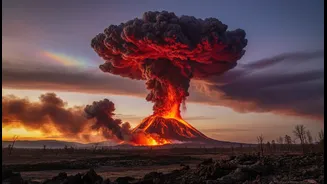
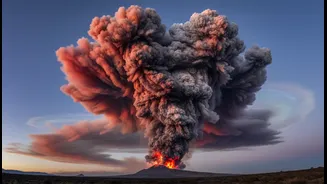
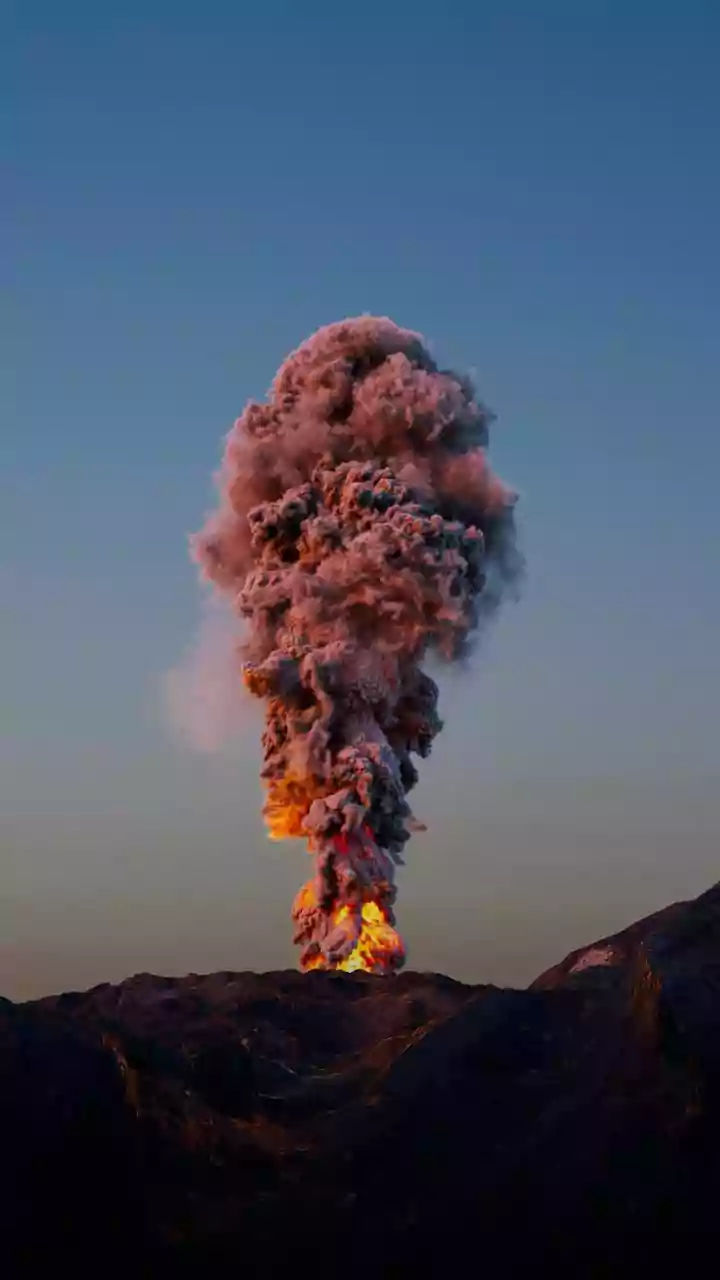
elevators, punching through the boundary of the troposphere (the lowest layer of the atmosphere where we live) and injecting a cocktail of smoke, ash, and water vapor directly into the stratosphere. This is the atmospheric layer that sits roughly 10 to 50 kilometers above Earth, and it’s home to our vital ozone layer. Similarly, powerful volcanic eruptions can hurl sulphur dioxide and other gases into this same high-altitude region. For a long time, these were seen as separate, transient events. However, scientists are now understanding that the materials they deposit can linger for months or even years, setting the stage for profound chemical changes.
A Chemical Factory in the Sky
The stratosphere is typically a very dry and stable environment. The materials blasted into it by fires and volcanoes act as foreign invaders. Volcanic eruptions primarily inject vast quantities of sulfur dioxide, which converts into sulfuric acid aerosols. Wildfire smoke, on the other hand, is a more complex mix, containing organic carbon, black carbon (soot), and other compounds. New findings, particularly from studying Australia's devastating 'Black Summer' fires of 2019-2020, show that these smoke particles are far from inert. They provide a vast surface area for chemical reactions that would not normally occur in the gas phase. Scientists were surprised to discover that these smoke particles can become coated with organic acids, making them highly reactive.
An Unexpected Attack on the Ozone Layer
The most significant consequence of this new chemistry is its effect on the ozone layer, which protects life on Earth from harmful ultraviolet (UV) radiation. Research has shown that both volcanic and wildfire aerosols can disrupt the delicate balance of stratospheric chemistry. They provide surfaces that convert stable, human-made chlorine compounds—remnants from the era of CFCs—into more active, ozone-destroying forms like chlorine monoxide. Studies following the Australian wildfires found that smoke particles made the chemical reactions that deplete ozone more efficient, even at the warmer temperatures of the mid-latitudes, not just in the cold polar regions. This led to a temporary but significant depletion of the ozone layer by 3-5% over large parts of the Southern Hemisphere in 2020. The smoke from those fires even widened the Antarctic ozone hole by an estimated 10%.
Slowing a Global Success Story
The recovery of the ozone layer, following the landmark 1987 Montreal Protocol that phased out CFCs, has been one of environmental policy's greatest successes. Projections showed the ozone layer was on a slow but steady path to healing completely by around 2060. However, this new research introduces a serious complication. While the damage from a single event like the Australian fires is temporary, climate change is making large, intense wildfires more frequent and severe. Scientists warn that if these massive smoke injections into the stratosphere become a regular occurrence, they could significantly delay or even impede the ozone layer's recovery. One study noted that the 1% ozone loss from the 2020 fires was equivalent to a full decade of expected recovery.
A New Piece of the Climate Puzzle
This newfound link between surface events and stratospheric chemistry highlights a critical feedback loop in our climate system. Wildfires, intensified by a warming climate, are now shown to damage the ozone layer, which can in turn affect atmospheric temperatures and circulation. The smoke particles themselves also have a direct impact; black carbon absorbs radiation, warming the stratosphere. For instance, smoke from the Australian fires caused the global stratosphere to warm by about 0.77 degrees Celsius for several months. These complex interactions are not yet fully captured in many climate models, which means our future climate projections might be missing a key piece of the puzzle. Scientists stress the urgent need to incorporate these aerosol-driven chemical processes into models to accurately predict future climate and ozone trends.