





Beyond the 'Superfood' Hype
The wellness world loves a quick fix. We’ve been told that adding a specific fermented food like kombucha, kefir, or a single type of probiotic supplement is the one-stop solution for all our digestive woes. While these foods can be beneficial, the science
is now pointing to a more complex and holistic truth: a healthy gut is not built on a single ingredient but on a diverse and varied diet. This new understanding shifts the focus from hunting for one perfect 'superfood' to cultivating a rich and resilient internal ecosystem. Research increasingly shows that relying on a single-strain probiotic or one type of fermented food is less effective than making broader dietary changes. True gut health isn't something you can bottle; it's something you have to feed, and it has a very varied appetite.
Your Gut: A Thriving Inner Garden
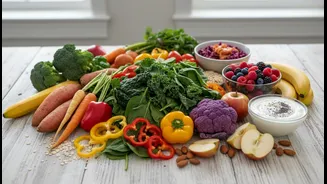
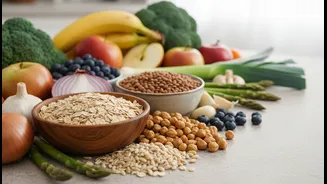
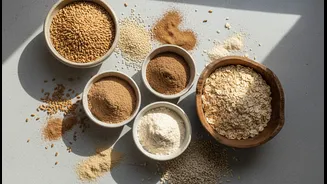
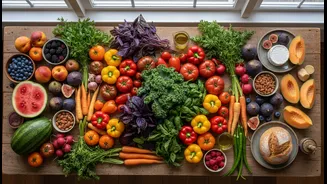
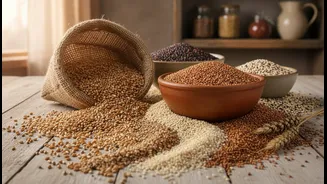
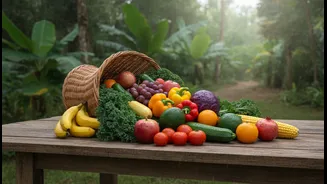
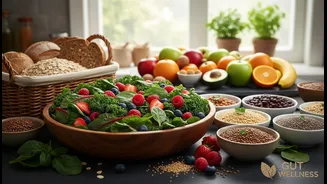
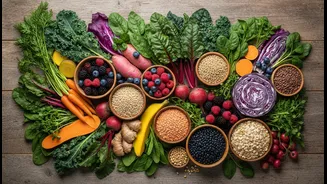
Think of your gut microbiome as a bustling garden inside you, home to trillions of microorganisms. For this garden to flourish, it needs a wide variety of nutrients. Different bacteria, fungi, and other microbes 'eat' different things, primarily the fibres and compounds from the food you consume. When you eat the same limited range of foods day after day, you are only feeding a small fraction of your microbial community. This can lead to a less diverse and less resilient gut environment. A diet rich in different types of plants, on the other hand, provides a feast for a wide array of beneficial microbes. Recent studies highlight that the diversity of plants in your diet is one of the strongest predictors of gut health. The popular '30 plants a week' challenge—which includes fruits, vegetables, grains, legumes, nuts, seeds, herbs, and spices—is a practical way to apply this science.
The Rich Wisdom of the Indian Thali
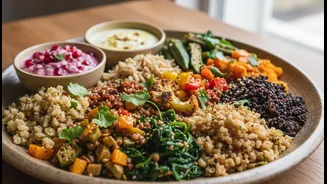
This 'new' scientific understanding will sound remarkably familiar to anyone who grew up with traditional Indian food. The classic Indian thali is a perfect example of dietary diversity in action. A single meal can feature lentils (dal), vegetables (sabzi), whole grains (roti or rice), and yogurt (dahi or raita), alongside an array of spices like turmeric, cumin, and coriander. This isn't just for flavour; it’s a functional system for nurturing gut health. Scientific studies confirm the unique benefits of this approach. Indian gut microbiomes are often distinct from their Western counterparts, showing a higher prevalence of bacteria that are experts at digesting fibre from plants. This is a direct result of a traditional diet rich in plant diversity, fermented foods like dahi, idli, and dosa, and a wide range of spices that have prebiotic and anti-inflammatory properties.
Why 'One-Size-Fits-All' Fails
Another critical piece of the puzzle is personalization. Research now confirms that every individual's microbiome is unique, much like a fingerprint. It’s shaped by our genetics, lifestyle, environment, and, of course, our diet. This explains why a food that makes one person feel great might cause issues for another. This individuality is why a 'one-size-fits-all' approach to gut health is ultimately ineffective. The goal isn't to achieve a single 'perfect' microbiome, as none exists. Instead, the focus is shifting toward personalized nutrition that considers an individual’s unique microbial makeup. While we are not all at the stage of having our diets personalized by microbiome analysis, the underlying principle is simple: listening to your own body and eating a wide variety of whole foods is the best strategy for most people.