



The Problem with the Pan-Indian Plate
The term 'pan-Indian' is often a red flag on a menu. While intended to signify breadth, it frequently results in a flattening of India's immense culinary diversity. Restaurants facing intense competition and rising costs may streamline operations by creating
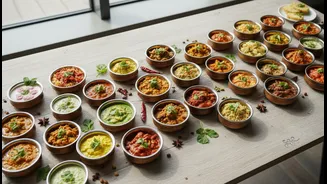
a single, versatile 'brown gravy' or a universal spice base that can be adapted for dozens of dishes. The result is a menu where a Malabar curry, a Rajasthani laal maas, and a Punjabi masala taste suspiciously similar. This approach turns vibrant, distinct regional cuisines into a monotonous blend, stripping dishes of their authentic character and cultural context. It’s a culinary shortcut that does a disservice to both the food and the diner, reducing a rich heritage to a few familiar, and often inaccurate, greatest hits.
What is a Culinary Conversation?
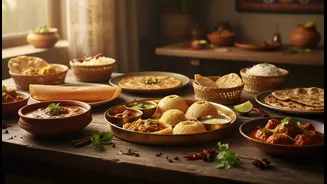
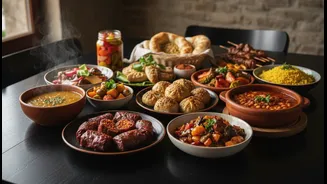
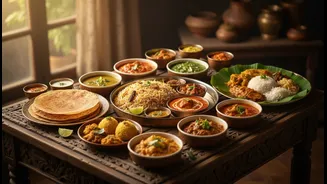
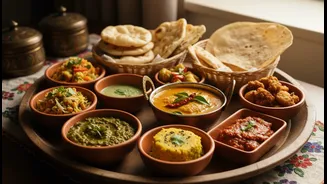
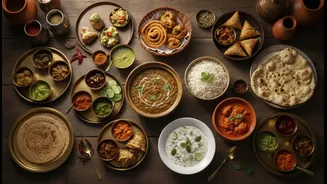
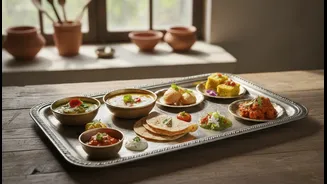
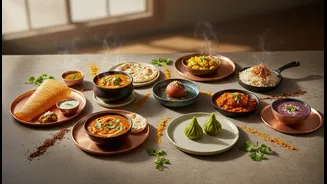
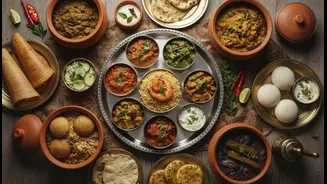
Imagine a menu not as a list, but as the transcript of a lively dinner party. In one corner, you have a spirited discussion between dishes from Kerala, celebrating coconut, curry leaves, and coastal seafood. In another, the robust, earthy flavours of Punjab are holding court, talking of the tandoor and rich dairy. This is the essence of a menu that fosters conversations. It presents dishes from different regions with integrity, ensuring their unique identities are preserved. A chef in this scenario acts as a thoughtful host, introducing different culinary worlds but allowing each to speak in its own voice. The goal isn't to force them to agree on one flavour profile, but to let them coexist harmoniously, showcasing the delightful complexity of Indian food. A true pan-Indian menu doesn't blend; it creates space for multiple authentic narratives to unfold.
The Art of Curation Over Compilation
A great multi-regional menu is an act of curation, not just compilation. Instead of a chaotic list, a well-curated menu might group dishes into mini-narratives. Think of a section titled 'A Taste of the Deccan,' featuring Hyderabadi biryani and perhaps a lesser-known Telangana specialty, presented with context. Another section could be 'From the Grand Trunk Road,' tracing a culinary path through North India. This approach shows confidence on the part of the chef and restaurant. They are not trying to be everything to everyone, but are instead guiding the diner on a specific journey. It requires a deeper commitment — separate spice blends, distinct cooking techniques, and a kitchen staff knowledgeable about regional nuances. But this investment pays off by creating a memorable, educational, and far more delicious experience. It respects the fact that a Goan vindaloo and a Kashmiri rogan josh have entirely different histories and should be treated as such.
Celebrating the Story Behind the Food
Increasingly, chefs and restaurateurs are being celebrated for acting as culinary custodians, preserving and spotlighting India's diverse traditions. Chefs like Vijay Kumar at Semma in New York or Manish Mehrotra at Indian Accent have built reputations on presenting regional food with uncompromising authenticity, even while using modern techniques. They understand that descriptive language on a menu, explaining the origin or significance of a dish, transforms it from a simple commodity into a piece of culture. Mentioning that a recipe is from a specific community or that it uses a GI-tagged ingredient adds immense value and helps diners appreciate the heritage they are tasting. This storytelling approach moves beyond just feeding people; it invites them into a cultural legacy, making them participants in the act of preservation.
The Diner's Role in the Dialogue
As diners, we have a powerful role to play in encouraging these conversations. By showing interest in regional specialties over generic 'curries,' we create demand for more thoughtful menus. Instead of defaulting to the familiar, we can ask questions: What region is this dish from? What makes it special? Seek out restaurants that proudly declare their regional focus, whether it's South Indian, Bengali, or Parsi. A restaurant that specializes in the cuisine of a single state or community is more likely to execute its dishes with care and authenticity than one that claims to have mastered the entire subcontinent. When we choose to engage with the stories behind our food, we signal to the industry that we value diversity over dilution. We become active partners in celebrating the rich, multifaceted identity of Indian cuisine.