


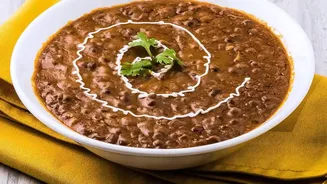
The Smart Student Shopping List
The foundation of a great meal prep week is a smart shopping trip. Focus on versatile, budget-friendly staples that form the base of many Indian vegetarian meals. Stock your pantry with essentials like red lentils (masoor dal), chickpeas (chana), and
kidney beans (rajma). For grains, basmati rice and whole wheat flour for rotis are non-negotiable. When it comes to vegetables, buy a mix of sturdy options like potatoes, onions, and cauliflower, along with quicker-cooking ones like spinach and tomatoes. A block of paneer offers a great source of protein that can be used in multiple dishes. Finally, don't forget the aromatics that are the soul of Indian cooking: ginger, garlic, and green chillies, along with basic spices like turmeric, cumin, coriander, and garam masala.
Your Sunday Prep Blueprint
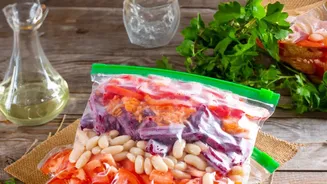
Dedicate two to three hours on a Sunday to set yourself up for success. This isn't about cooking full meals, but preparing components that can be assembled quickly later. Start by washing and chopping all your vegetables. Onions, bell peppers, carrots, and beans can all be prepped and stored in airtight containers. Next, cook a large batch of a neutral grain like basmati rice or quinoa. Boil a few portions of dal or chickpeas, which can be used for different dishes throughout the week. You can also prepare a versatile onion-tomato gravy base, which is the starting point for countless curries. Kneading dough for rotis in advance and refrigerating it is another huge time-saver. This 'component prep' approach prevents flavour fatigue and gives you flexibility.
Assembly-Line Meals for the Week
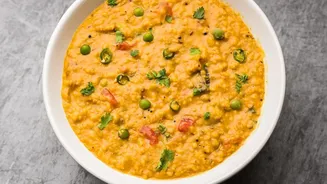
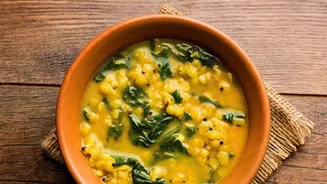
With your components ready, weekday meals become a simple matter of assembly. For Monday, you might combine your pre-cooked dal with a fresh tempering (tadka) of cumin seeds and garlic to have with rice. On Tuesday, use the tomato gravy base and boiled chickpeas to whip up a quick Chana Masala to eat with your pre-made roti dough. Wednesday could be a dry sabzi like Aloo Gobi, using your pre-chopped potatoes and cauliflower, which is perfect for a lunchbox. By Thursday, you can turn leftover dal into a hearty soup or mix the last of your chopped veggies with some spices for a quick vegetable pulao. This mix-and-match system keeps meals interesting and cooking times under 15 minutes.
One-Pot Wonders and Hostel Hacks
If you're in a hostel with limited equipment, one-pot meals are your best friend. A pressure cooker or an electric kettle can be surprisingly versatile. Use a kettle to make instant noodles, boil eggs, or steam veggies. A simple khichdi, made by cooking rice and lentils together with some basic spices, is a complete and comforting meal that requires just one pot. You can also make simple pulaos by tossing rice, pre-chopped vegetables, and paneer into a single pot. These methods minimise the number of dishes you have to wash, a crucial factor in a shared kitchen space.
Storage for Small Spaces
Proper storage is key to keeping your prepped food fresh and your small kitchen organised. Invest in a good set of airtight, stackable containers. Glass containers are great because they can be used for reheating. Label everything with the name of the dish and the date it was made to avoid mystery meals. To save space, store items vertically. When refrigerating curries and dals, let them cool down first and then store them; most will last for up to 4-5 days. Many Indian dishes like dal makhani and rajma actually taste better the next day as the flavours deepen.