







Why Humidity Wreaks Havoc on Skin
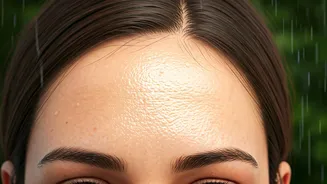
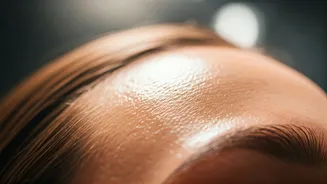
High humidity is a challenge because it amplifies your skin's natural processes. The excess moisture in the air signals your sebaceous glands to produce even more oil, or sebum. When this extra oil mixes with increased sweat and environmental pollutants,
it creates a perfect storm for clogged pores, which can lead to blackheads, whiteheads, and acne. Your skin might feel constantly damp or sticky, making it a breeding ground for bacteria. The key isn't to fight the humidity itself, but to adapt your routine to manage its effects and keep your skin balanced.
Swap Your Cleanser for a Lighter Touch
The first step in any good routine is cleansing, and in humid weather, it's non-negotiable. Aim to wash your face twice a day to remove the build-up of sweat, oil, and grime. However, avoid harsh, stripping cleansers. Over-washing or using aggressive formulas can damage your skin's natural moisture barrier, ironically triggering even more oil production. Opt for a gentle gel-based or light foaming cleanser. These are effective at cutting through grease without leaving your skin feeling tight or dry. For those with acne-prone skin, a cleanser with salicylic acid can be particularly helpful for keeping pores clear.
Rethink Your Moisturiser: Go Lightweight
A common mistake in humid weather is skipping moisturiser altogether, assuming the damp air provides enough hydration. However, surface humidity doesn't equal deep skin hydration. In fact, skipping this step can dehydrate your skin, causing it to produce more oil to compensate. The solution is to switch from heavy creams to a lightweight, oil-free formula. Gel or water-based moisturisers are ideal as they absorb quickly and provide hydration without a greasy feel. Look for products with ingredients like hyaluronic acid, which hydrates intensely without weight, and niacinamide, which helps regulate oil production and improve skin texture.
Gentle Exfoliation Is Your Friend
With sweat and oil production in overdrive, dead skin cells can build up more quickly, leading to a dull complexion and clogged pores. Regular exfoliation is crucial to manage this, but it must be done gently. Over-exfoliating can irritate the skin, especially when it's already sensitive from heat and humidity. Instead of harsh physical scrubs, consider a chemical exfoliant with AHAs (alpha hydroxy acids) or BHAs (beta hydroxy acids) once or twice a week. This will help dissolve dead skin cells and keep pores clear without causing inflammation.
Never Skip Sunscreen
The feeling of layering a thick sunscreen on top of already sticky skin is unpleasant, but sun protection is vital every single day, regardless of the weather. UV rays are present even on cloudy, humid days and can cause significant damage. The trick is to find a formula that you'll be happy to wear. Look for sunscreens labelled 'oil-free' and 'non-comedogenic' to ensure they won't clog your pores. Gel-based and water-resistant formulas are excellent choices for humid climates, as they feel lighter on the skin and are less likely to sweat off.
Adopt a 'Less Is More' Makeup Approach
Heavy foundations and concealers can trap sweat and oil, making breakouts more likely in humid weather. This is a great time to embrace a more minimal makeup routine. If you want some coverage, consider switching to lightweight alternatives like a tinted moisturiser or a BB cream. When you do wear makeup, look for water-based and non-comedogenic products. And at the end of the day, be extra diligent about removing it all. A double cleanse, starting with an oil or balm to break down makeup and sunscreen, followed by your regular gentle cleanser, is highly effective.