


A Demanding Day in Orbit
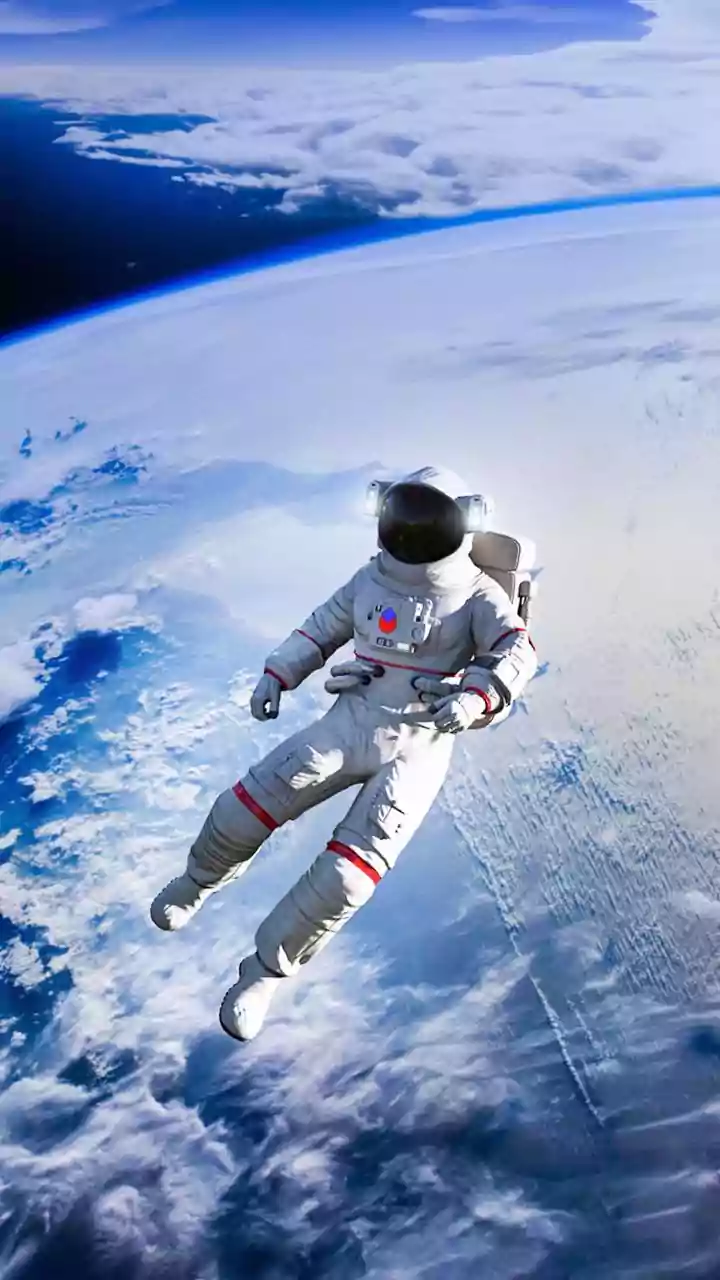
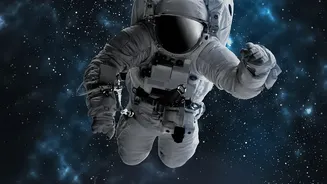
On Tuesday, August 25, NASA astronaut Anil Menon and European Space Agency (ESA) astronaut Sophie Adenot ventured outside the International Space Station for a spacewalk lasting roughly six and a half hours. The primary goal was to install a spare Space-to-Ground
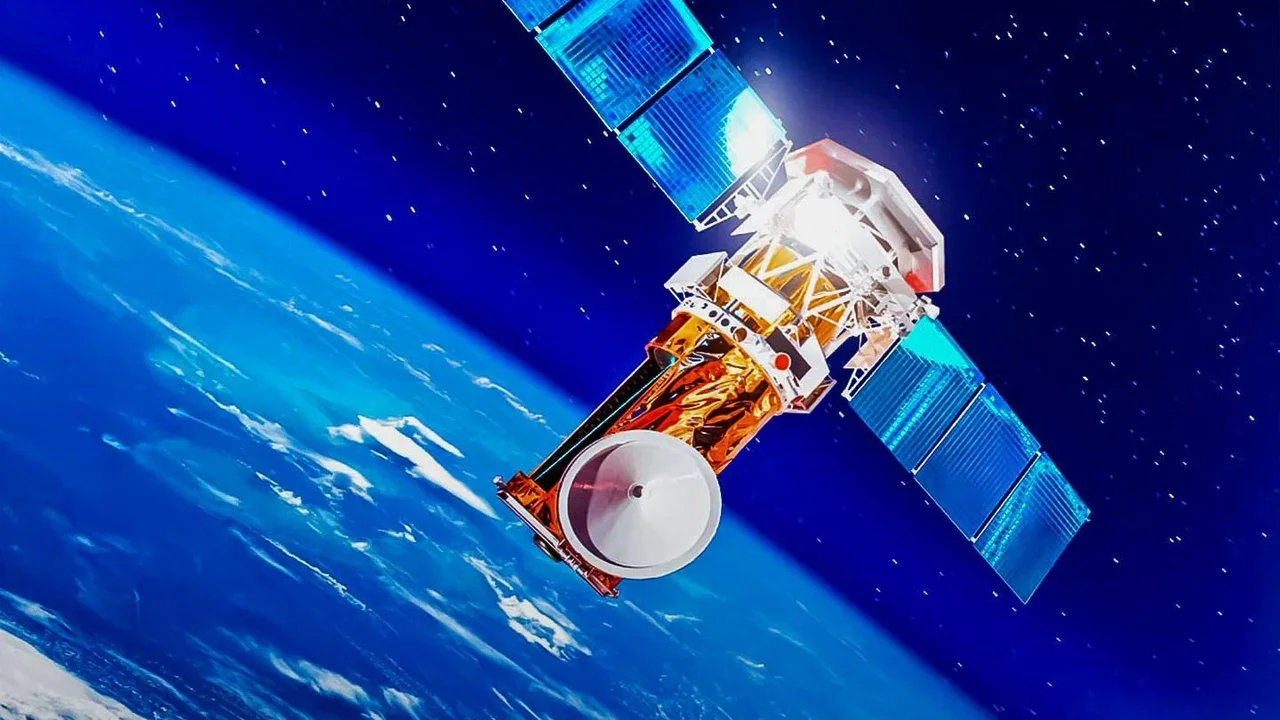
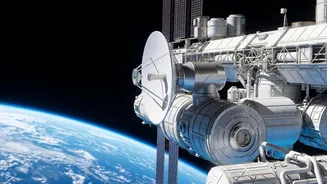
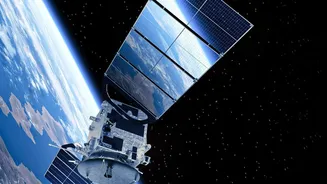
Antenna (SGANT), a critical piece of hardware that enables high-speed data transmission between the station and Mission Control in Houston. This mission was a continuation of a previous spacewalk on August 18, where the pair successfully removed the faulty antenna but ran out of time to install its replacement due to challenges with disconnecting cables and bolts. The successful installation on Tuesday marked the 283rd spacewalk in support of station assembly and maintenance.
Restoring a Critical Data Lifeline
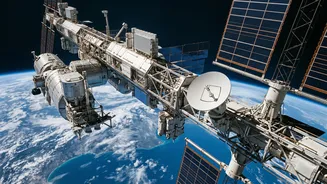
The station is equipped with two of these high-gain antennas, which communicate with a network of relay satellites to send and receive everything from scientific data to video streams. When one of the antennas failed last November, the station lost its redundant capability, relying on a single link for its high-rate communications. While voice and critical data were maintained, the failure represented a significant risk. The successful replacement restores this vital redundancy, ensuring the continuous flow of information. Shortly after the new antenna was connected, initial checks confirmed good power and data transmission, a result celebrated by Mission Control. Astronaut Anne McClain even paid tribute to the achievement by parodying the song "Video Killed the Radio Star," singing, "You just saved the video dish."
The Human Element of Space Construction
The task highlighted the immense skill and precision required for extravehicular activities (EVAs). Menon, on his third career spacewalk, was positioned at the end of the Canadarm2 robotic arm to work on the installation. Adenot, on her second spacewalk, traversed the station's exterior using handrails to assist. This series of EVAs was particularly noteworthy for Adenot, who, during the first outing on August 18, became the first woman from France to perform a spacewalk. The entire operation was a carefully choreographed dance between the astronauts outside, the robotic arm operator inside, and the flight controllers on the ground, all working to maneuver and connect delicate hardware in the vacuum of space.
Why Faster Data Matters for Science
This antenna is more than just an internet connection; it's a superhighway for science. The ISS is a unique laboratory where researchers conduct hundreds of experiments in microgravity, from medical studies on the human body to Earth observation and materials science. Many of these experiments generate enormous amounts of high-resolution data that must be sent back to Earth for analysis. Previous upgrades have already boosted the station's data transmission rate to 600 megabits-per-second (Mbps), doubling its previous capacity. Maintaining this high-bandwidth capability is essential for accommodating advanced experiments that require higher-resolution imagery and more detailed data streams than ever before. Essentially, a faster, more reliable connection allows for more complex and powerful science to be conducted in orbit.