



The Alkaline Heart of Assam
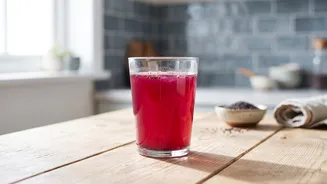
To understand Assamese cuisine is to understand 'khar'. In fact, the Assamese people often proudly call themselves 'Khar Khuwa Axomiya' (khar-eating Assamese). Khar is both the name of a key ingredient and the dish made from it. The ingredient, traditionally
known as 'kola khar', is a dark, mineral-rich alkaline liquid. It is ingeniously made by filtering water through the ashes of sun-dried peels of a specific local banana variety called 'bhim kol'. This process, passed down through generations, results in a liquid with a high pH and a distinct, earthy flavour that is foundational to the region's cooking. While some now use baking soda as a shortcut, traditional 'khar' remains a staple in Assamese homes.
A Taste of History and Function
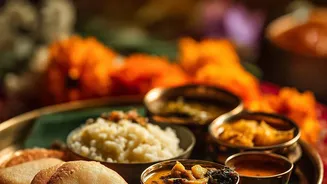
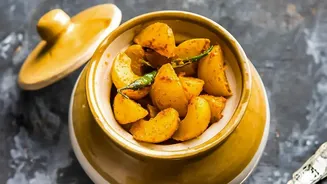
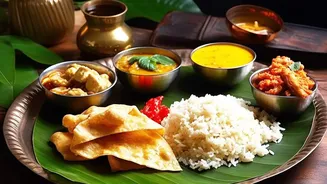
The story of khar is rooted in geography and resourcefulness. Historically, the landlocked region of Assam had limited access to sea salt. Khar emerged as a local substitute, but its role evolved far beyond simple seasoning. In a traditional Assamese meal, a khar dish, often made with raw papaya ('omita khar') or lentils, is served as the first course. It is believed to act as a palate cleanser and a digestive aid, preparing the stomach for the dishes that follow. Its flavour is subtle yet transformative, enhancing the natural taste of vegetables or fish without overpowering them with spice. This unique alkaline characteristic is what sets it apart from the sour, spicy, or sweet flavours that dominate other Indian cuisines.
The Pungent Power of Fermentation
Just as alkalinity defines khar, fermentation is the culinary soul of Nagaland. Ingredients like 'axone' (fermented soybeans) and fermented bamboo shoots are central to Naga cooking. Axone, in particular, is a powerful flavour bomb. To make it, soybeans are boiled, wrapped in banana leaves, and left to ferment for several days, often over a fireplace. The resulting paste is intensely aromatic with a rich, umami taste. This 'funky' flavour, as some chefs describe it, is used in small quantities to add incredible depth to stews, chutneys, and smoked pork dishes. Similar to khar's origins, fermentation in Nagaland likely developed as a method of food preservation and to create complex flavours in a region where salt was not always readily available.
The Essential Sour Note
Moving south, we find cuisines defined by distinctive souring agents. In Coorg (Kodagu), the secret ingredient is 'kachampuli', a dark, viscous vinegar. It's made by extracting and reducing the juice from the ripe fruit of the Garcinia gummi-gutta tree, also known as Malabar tamarind. This potent, tart liquid is indispensable in Kodava cooking, especially in their famous 'pandi' (pork) curry. It's not just a background sourness; 'kachampuli' is a finishing move, added near the end of cooking to balance the richness of the meat and deepen the flavour of the roasted spices. Similarly, Goan Catholic cuisine is heavily reliant on its own unique vinegar, derived from the fermented sap of the coconut flower, known as toddy. This toddy vinegar provides the essential tangy kick in iconic dishes like Sorpotel and Vindaloo, a legacy of Portuguese influence combined with local resources.
A True Taste of Place
From the alkaline earthiness of Assamese khar to the pungent umami of Naga axone and the sharp tang of Coorg's kachampuli, these preparations are more than just ingredients. They are a reflection of 'terroir'—a taste of a specific place, shaped by its geography, history, and the ingenuity of its people. They showcase a philosophy of using locally available resources to create distinct and memorable flavours that cannot be replicated elsewhere. These culinary signatures go beyond the common spice box, offering a deeper understanding of India's incredibly diverse food landscape and the unique traditions that keep it vibrant.