






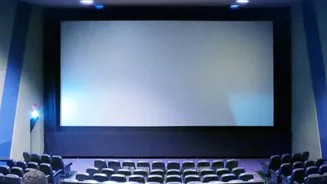
The Price of a Cinema Outing
The magic of the big screen has always come at a premium, but today that premium feels more significant than ever. A single trip to a multiplex in a metro city can be a considerable expense. Ticket prices vary wildly, influenced by the city, the theatre
chain, the day of the week, and the film's hype. While a weekday morning show might cost a modest ₹150, a weekend evening show for a blockbuster in a premium format like IMAX can easily cross ₹800 per ticket. For a family of four, the ticket cost alone can approach ₹2,000-₹3,000. But the expenses don't stop there. The infamous cost of concessions is a major factor. A tub of popcorn and a couple of soft drinks can often cost more than a movie ticket itself, with combos at major chains frequently exceeding ₹600. Add transportation and parking fees, and a single three-hour outing can make a serious dent in a monthly entertainment budget.
The All-You-Can-Stream Buffet
On the other side of the equation is the streaming subscription, the all-you-can-eat buffet of modern entertainment. For the price of a single premium movie ticket, a consumer can get a month's access to a vast library of content. In India, the competition is fierce, keeping prices relatively affordable. Netflix plans start from ₹149 per month for a mobile-only plan, going up to ₹649 for a premium 4K plan that can be shared across four screens. Amazon Prime Video is bundled with the broader Prime membership at ₹1,499 per year, while Disney+ Hotstar's premium annual plan costs the same. For what a family might spend on one cinema outing, they could subscribe to multiple OTT services for several months, or even a full year. This model offers unparalleled convenience and volume, with thousands of hours of content available on demand.
The Intangible Value of Experience
A simple cost-per-hour analysis would suggest streaming is the clear winner, but that misses the point for many. The cinema offers an experience that a living room cannot replicate. The immense screen, the immersive Dolby Atmos sound, and the collective energy of a laughing, gasping, or cheering audience are powerful draws. It’s an event, a social outing, and an escape. Streaming, on the other hand, offers convenience, control, and personalisation. You can pause for a break, re-watch a favourite scene, and browse a library tailored to your tastes. For families with young children or individuals with busy schedules, the flexibility of OTT is a massive advantage. The value proposition, therefore, isn't just financial; it's about what kind of experience the consumer is seeking at that moment.
The Indian Household's Balancing Act
For many Indian households, this isn't an either-or choice but a delicate balancing act. Discretionary spending on entertainment and lifestyle is on the rise, but budgets remain a key consideration. Many families now adopt a hybrid model. They subscribe to one or two essential OTT platforms for daily entertainment and save the cinema for special occasions—the 'event' films that demand the big screen treatment. The rise of high-quality regional cinema, which is now widely available on streaming platforms, further complicates the decision. Consumers are becoming more selective, with studies showing that high ticket prices are causing audiences to cut back on their frequency of cinema visits. Multiplexes have taken note, offering weekday discounts and loyalty programs to entice viewers during off-peak hours.
A Blurring of Lines
The division between the two models is becoming less distinct. Shorter exclusive theatrical windows mean that blockbuster films arrive on streaming platforms faster than ever before. This has trained some consumers to simply wait a few weeks to watch a new release at home. While the cinema experience remains unique, the content itself is becoming more fluidly available. Both industries are adapting to this new reality. Cinemas are focusing on enhancing the premium experience to justify the cost, while streaming services are investing billions in original content to become the primary destination for entertainment. The future likely involves a continued coexistence, where both models compete for a share of the consumer's time and wallet.