



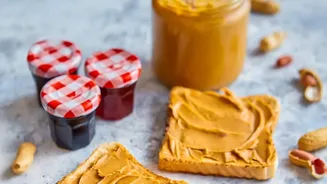


More Than Just a Spread
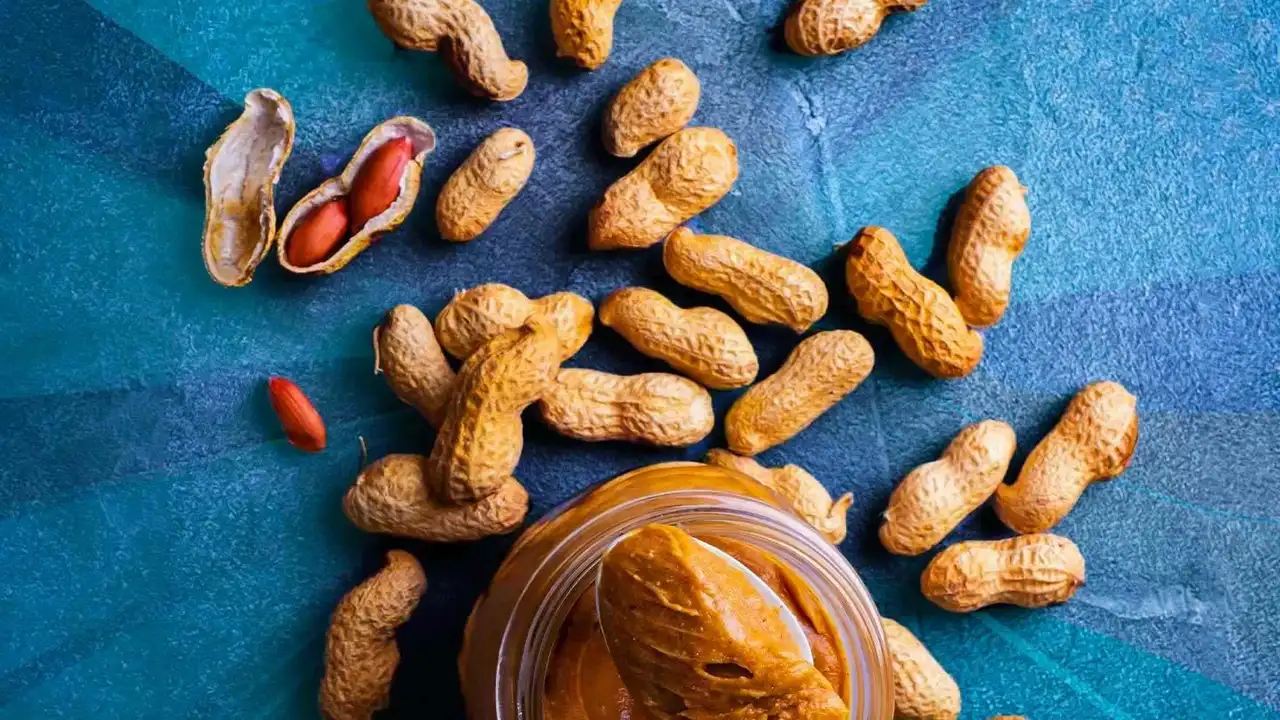
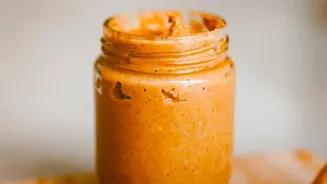
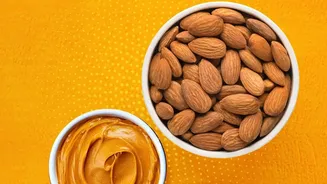
For years, plain peanut or almond butter has been a go-to for a quick protein hit. But the wellness world has moved on, introducing a more flavourful and functional option: spiced nut-and-seed butters. These are creamy blends of nuts like almonds, cashews,
and walnuts, or seeds like sunflower and pumpkin, enhanced with aromatic spices. Think almond butter swirled with cinnamon and ginger, or cashew butter kicked up with a pinch of cayenne. This simple addition of spice doesn't just add flavour; it elevates the nutritional profile, turning a simple snack into a strategic tool for active individuals.
The Core Fuel: Protein and Healthy Fats
At their foundation, all nut and seed butters are powerhouses of nutrition. A typical two-tablespoon serving packs between 6-8 grams of protein and 16-18 grams of fat, most of which is the heart-healthy unsaturated kind. This combination of protein, fat, and fibre is ideal for fitness enthusiasts. It provides sustained energy for a pre-workout boost and delivers the essential amino acids needed for muscle repair and growth post-workout. Unlike sugary snacks that cause an energy crash, the nutrients in nut butters offer a steady release, helping to curb cravings and keep you feeling full and focused.
The Spice Advantage for Recovery
Here's where these butters really shine for the fitness-oriented. Spices do more than just delight the palate; many contain potent compounds that aid in recovery. Spices like turmeric and ginger are renowned for their anti-inflammatory properties, which can help reduce exercise-induced inflammation and muscle soreness. Cinnamon is another popular addition, not just for its comforting flavour but also for its potential role in managing blood sugar levels. Even a touch of cayenne pepper can provide a slight metabolic boost. By incorporating these spices, you’re getting a synergistic effect where the benefits of the nuts are enhanced by the functional properties of the spices, creating a superior recovery food.
How to Choose a Healthy Spiced Butter
The growing popularity of these butters means more options on store shelves, but not all are created equal. The key to choosing a healthy option is simple: read the ingredient list. The best nut butters will have a very short list, primarily nuts, spices, and perhaps a pinch of salt. Be wary of products with added sugars (like cane sugar or corn syrup), hydrogenated oils, or palm oil. These are often added to prevent the natural oil from separating and to increase sweetness, but they negate many of the health benefits. A layer of oil on top of your nut butter is actually a good sign—it means the product is natural and free from artificial stabilisers.
DIY Blends for Ultimate Control
Making your own spiced nut butter at home is surprisingly easy and gives you complete control over the ingredients and flavour. All you need is a food processor or high-speed blender. Start by lightly roasting your nuts of choice—almonds, cashews, walnuts, or a mix—to help release their natural oils. Once they are warm (but not hot), blend them until a creamy butter forms. Then, get creative with your spices. A 'chai' blend with cinnamon, cardamom, ginger, and a touch of clove is a delicious option. For a savoury kick, try cumin and a little chili powder. You can also control the sweetness by adding a small amount of a natural sweetener like honey or maple syrup if desired.
Delicious Ways to Use Spiced Butters
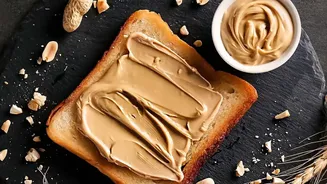
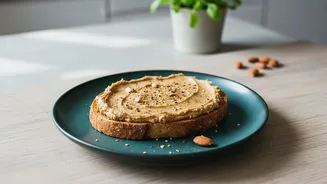
The versatility of spiced nut butters is part of their appeal. Move beyond simply eating it with a spoon and try these ideas: spread it on whole-grain toast or apple slices for a balanced snack; swirl a tablespoon into your morning oatmeal or Greek yoghurt; blend it into a post-workout smoothie for an extra boost of protein and flavour; or use a savoury blend as a base for a dipping sauce for vegetables or a dressing for a noodle salad. The complex flavours can elevate simple meals and make healthy eating more enjoyable and sustainable.