





The launch of Grand Theft Auto VI was one of the biggest entertainment events in history, but the ripple effects went far beyond gaming. For food delivery apps, the night a nation stayed in to play became a surprising and significant sales bonanza.
A Nation Glued to the Screen
The
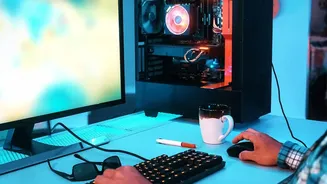
release of Grand Theft Auto VI on November 19 was more than just a game launch; it was a cultural moment over a decade in the making. Millions of players across India and the globe cleared their schedules, took paid time off, and settled in for marathon gaming sessions. This created a massive, captive audience—an entire demographic simultaneously deciding to stay home, park themselves on the sofa, and not move for hours on end. While Rockstar Games was counting its record-breaking sales, another industry was quietly reaping the benefits: food delivery. With millions of hands glued to controllers, the idea of pausing to cook a meal became unthinkable, creating the perfect storm for apps like Zomato and Swiggy.
The Surge in Midnight Snacks and Meals
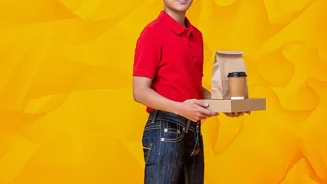
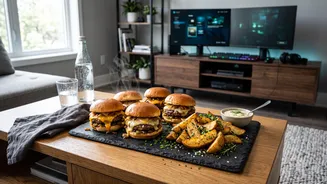
As launch night unfolded, food delivery platforms witnessed a dramatic spike in orders. Reports from international counterparts like DoorDash and Uber Eats showed late-night orders in some cities jumping by nearly 25-30%. The orders weren't just for full meals; there was a notable increase in demand for snacks and energy drinks to fuel the long hours of gameplay. In the US, orders for items like pizza, burgers, and fries climbed by over 10%, while energy drink orders surged by 20%. While specific data for India is still being compiled, the trend points to a significant boost for local platforms. This pattern aligns with established consumer behaviour during major 'stay-at-home' events, such as key cricket matches or festival weekends, which reliably drive order volumes for Zomato and Swiggy.
The 'Captive Audience' Economy
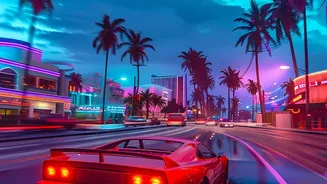
The phenomenon isn't just a coincidence; it's a powerful demonstration of the 'captive audience' economy. When an event, whether it's a cricket final or a blockbuster game release, commands the undivided attention of millions, ancillary services that cater to convenience see a natural lift. Gamers, deeply immersed in the world of Vice City, prioritise uninterrupted play. Food delivery provides a seamless solution, eliminating the need to pause the experience for something as mundane as cooking. This makes the gaming community a uniquely valuable demographic for on-demand services. They are digital natives, comfortable with app-based transactions, and during a major launch, their primary motivation is to maximise their time in the game. Analysts had predicted this outcome, with one market research firm forecasting that the GTA VI launch could drive up to 50 million additional visits to food delivery apps in the US alone in its first month.
More Than a Game, It's a Market Signal
The success of food delivery apps on GTA VI's launch night is a powerful signal for the wider business community. It proves that the economic impact of a digital product is no longer confined to its own sector. Described by one professor as potentially the 'biggest entertainment release ever', the game's launch illustrates how digital culture directly shapes real-world commerce. Companies are taking note. Some delivery platforms even curated their deals with gamers in mind, promoting food that could be eaten with one hand. This event provides a new playbook for brands. Understanding the calendar of major cultural moments—from blockbuster movie premieres and streaming series drops to, evidently, video game launches—is becoming essential for any consumer-facing business. These are no longer just niche hobbies; they are predictable, large-scale economic events.