




The Science of Spoilage
The combination of warm temperatures and high moisture in the air during the monsoon creates a perfect breeding ground for microorganisms. Bacteria, mould, and fungi thrive in these conditions, rapidly multiplying on the surface of cooked food. Humidity
essentially provides the moisture these microbes need to flourish, accelerating the decomposition process. This is why a curry left on the counter that might have been fine for a few hours in the dry season can show signs of spoilage much faster during the rains. This environment not only affects food quality but significantly increases the risk of foodborne illnesses like gastroenteritis, food poisoning, and cholera, which see a spike during these months.
Vulnerable Foods to Watch
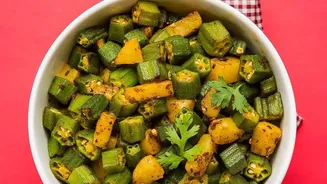
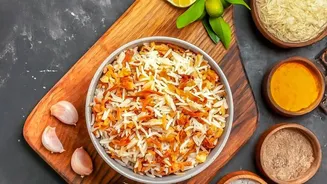
While all cooked food is at risk, some items are particularly susceptible to rapid spoilage in humid weather. Foods with high moisture content are the most vulnerable. This includes everyday staples in Indian kitchens like cooked dals, gravies, rice, and vegetable preparations. Dairy products and meat also spoil quickly if not handled with extra care. Even items you might not consider, like chutneys and raw salads, can become risky. The warm, damp conditions are also ideal for sprouting pathogens like Salmonella and E. coli, making it wise to cook sprouts rather than consuming them raw during this season.
Smart Refrigerator Habits
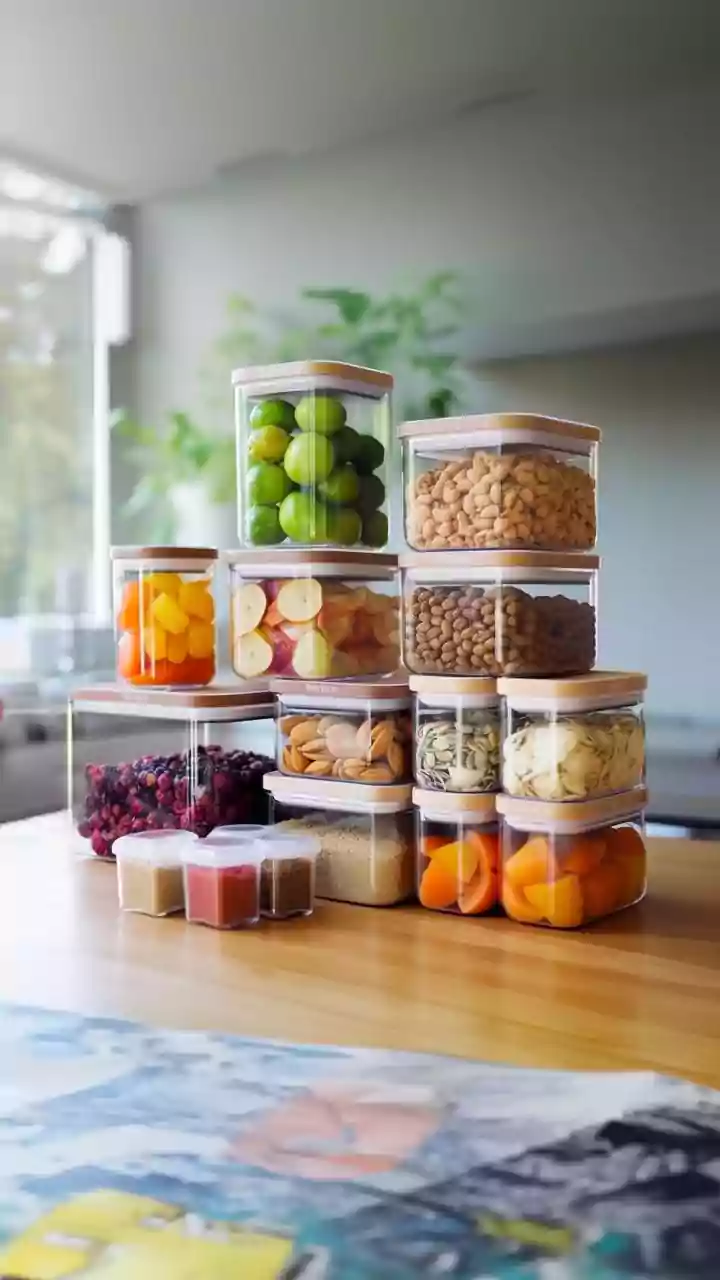
Your refrigerator is your first line of defence, but it requires strategy. First, always allow cooked food to cool down to room temperature before placing it in the fridge. Putting hot food inside raises the internal temperature and humidity, forcing the appliance to work harder and creating condensation that encourages microbial growth. Store all leftovers in airtight containers. This prevents the food from absorbing excess moisture and stops cross-contamination. Avoid overcrowding your fridge, as this restricts airflow and creates warm spots where bacteria can multiply. Regular cleaning of your refrigerator is also crucial, as spills and crumbs can become breeding grounds for mould in the damp environment.
Proper Reheating is Key
Simply warming up leftovers isn't enough during the monsoon. It's essential to reheat food thoroughly until it is steaming hot. This helps to kill any bacteria that may have started to develop during storage. A good rule of thumb is to bring liquids like dals and curries to a rolling boil for at least a minute. For solid foods, ensure they are heated all the way through. It's also wise to cook in smaller batches during the rainy season to minimise the amount of leftovers you need to store, reducing the window of opportunity for spoilage.
When in Doubt, Throw It Out
Trust your senses, but also be aware that some dangers are invisible. Obvious signs of spoilage include a sour or off smell, a change in colour, or the visible presence of mould. In foods with high moisture content, mould can have invisible roots that penetrate deep into the food, so just scraping off the fuzzy spot is not enough. Another sign is a slimy texture on the surface of curries or vegetables. However, dangerous bacteria like Salmonella or E. coli don't always produce noticeable signs. If food has been left out for more than a couple of hours in a warm, humid kitchen, or if you have any doubts about its freshness, the safest course of action is to discard it.