





Plan Your Menu Before You Pack
The secret to efficient festival cooking begins at home, long before you set off. Start by planning every meal you intend to eat, from breakfast on day one to the final snack before you leave. Thinking through your menu allows you to write a precise shopping
list, preventing over-buying and ensuring you only pack what you need. Focus on versatile ingredients that can be used in multiple dishes. Opt for one-pot meals like curries, chillies, or pasta dishes to minimise fuel usage and cleanup. No-cook options are also your best friend; think sandwiches, wraps, pasta salads, and overnight oats. These require zero fuel and can be prepped in advance. When planning, also consider snacks that are durable and don't need refrigeration, such as nuts, dried fruit, granola bars, and jerky.
Prep Ingredients at Home
Doing the chopping, mixing, and measuring at home saves you enormous time and effort at the campsite. Pre-slice vegetables and store them in reusable containers. You can marinate proteins, mix pancake batter, or even assemble full meals like breakfast burritos and freeze them. These frozen, pre-made meals can double as ice packs in your cooler, thawing just in time for when you want to eat them. Decant spices, oils, and sauces into smaller, travel-sized reusable bottles. Instead of bringing bulky packaging, buy items like grains, nuts, and coffee from bulk bins and pack them in reusable bags or containers. This dramatically reduces the amount of single-use plastic and cardboard you have to manage and dispose of at the festival site.
Pack a Low-Waste Kitchen Kit
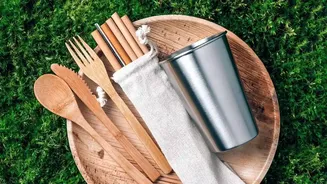
Resist the temptation of disposable plates, cups, and cutlery. Instead, assemble a reusable festival kitchen kit. Essential items include a durable plate, bowl, and cup, along with a set of cutlery—a multi-tool spork can be a great space-saver. Bring a reusable water bottle and coffee cup, as most festivals have water refill stations. For cooking, a single-burner portable stove is usually sufficient. Pack a lightweight pot, a frying pan, a cutting board, and a good knife. Instead of disposable sponges and paper towels, opt for reusable cloth napkins and a washable dish brush with biodegradable soap. Pack everything in a dedicated, organised bin so you always know where your kitchen gear is.
Master Your Cooler Strategy
An efficient cooler is key to preventing food spoilage and waste. Start with a quality, well-insulated cooler. The best way to keep it cold is to use large blocks of ice or frozen gallon jugs of water, as they melt much slower than small ice cubes. As they thaw, you'll also have a supply of cold drinking water. Organise your food in the order you plan to eat it, with the last day's meals at the bottom. Keep meats and dairy closest to the ice. Try to limit how often you open the cooler to keep the cold air locked inside. Storing produce in reusable containers will prevent it from getting bruised or waterlogged as the ice melts.
Leave No Trace Cleanup
Your responsibility doesn't end when the last meal is cooked. Adopt a 'leave no trace' philosophy for your campsite. Designate separate bags for landfill trash, recycling, and food scraps. Many festivals now offer composting facilities, so check in advance. If not, pack your food scraps in a sealed container to take home and compost. When washing dishes, use a collapsible sink or basin to catch the 'greywater'. Strain out any food particles and dispose of them with your food waste, then disperse the water far from any water sources. Before you head home, do a final sweep of your campsite to ensure you've collected every last bit of trash. The goal is to leave your spot cleaner than you found it.