


From Bragging Rights to Breathing Room
For years, the success of a vacation was measured by the envy it induced. A packed itinerary, photos at world-famous landmarks, and a flurry of social media posts were the hallmarks of a trip well-spent. The goal was external: to see, to do, and most
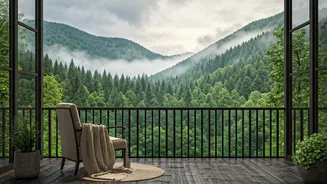
importantly, to be seen doing it. This was the era of the 'destination show-off'—a holiday designed as much for an online audience as for the traveller themselves. But the pressure to perform, even on vacation, has led to a collective exhaustion. Now, a growing number of Indian travellers, particularly millennials and Gen Z, are asking a different question: not 'where can I go?' but 'how do I want to feel?' The answer is increasingly found not in a bustling city or a party hotspot, but in the serene confines of a wellness retreat.
The Post-Pandemic Pivot
The global pandemic acted as a powerful catalyst for this shift. Extended lockdowns, work-from-home fatigue, and a constant hum of anxiety forced a mass re-evaluation of priorities. Mental health, once a taboo topic, entered mainstream conversation. The relentless hustle culture that defined the previous decade suddenly seemed unsustainable. As travel cautiously resumed, the desire was not for a return to the 'old normal' of hectic sightseeing, but for something more restorative. People emerged from the crisis craving connection, purpose, and peace. A holiday was no longer an escape from life, but a chance to reconnect with it—and with oneself. This deep-seated need for healing has fuelled an unprecedented boom in India’s wellness tourism sector.
It’s More Than Just Yoga
When you hear 'wellness retreat', you might picture a spartan room and a punishing schedule of sunrise yoga. While that exists, the modern wellness landscape is incredibly diverse. It’s about finding a practice that resonates with you. For some, it’s a medically supervised Panchakarma programme at an Ayurvedic centre in Kerala, designed to detoxify the body. For others, it’s a silent Vipassana meditation course in the Himalayas, aimed at decluttering the mind. There are digital detox retreats that force you to surrender your phone, creative retreats focused on pottery or painting, and nature-centric getaways built around forest bathing (Shinrin-yoku). The focus has broadened from purely physical fitness to holistic well-being, encompassing mental, emotional, and even spiritual health.
The New 'Stealth Wealth' Holiday
Ironically, in rejecting the overt 'show-off' vacation, travellers have created a new, more subtle status symbol. In a world saturated with luxury logos and infinity pool shots, the ultimate flex is no longer a material possession but an internal state of being. Posting a simple photo from a quiet ashram with a caption about 'finding clarity' has become its own form of social currency. It signals a different kind of wealth: the luxury of time, the investment in self-care, and the pursuit of a higher purpose. It communicates that you are not just a tourist consuming experiences, but a person on a journey of growth. This 'stealth wealth' approach to travel is less about the destination and more about the personal transformation it represents.
Who Is Driving the Trend?
While the desire for peace is universal, this trend is being championed by urban millennials and Gen Z. These are generations that grew up online, acutely aware of the pressures of social media and the realities of corporate burnout. They are more willing to spend money on experiences over things, and they view mental well-being as a non-negotiable priority. Travel companies and retreat centres have been quick to respond, curating experiences that speak directly to this demographic. They offer shorter, more accessible retreats for busy professionals and market them not as indulgences, but as essential maintenance for a modern, high-stress life.