





Understanding the Scale of Waste
Globally, a staggering amount of food is lost or wasted each year—roughly one-third of all food produced for human consumption. This isn't just a missed opportunity to feed the hungry; it's a significant environmental issue. Wasted food accounts for an estimated
8-10% of global greenhouse gas emissions as it decomposes in landfills, releasing potent methane gas. When we waste food, we also waste the immense resources used to produce it, including water, land, energy, and labour. In India, it's estimated that nearly 40% of produced food goes to waste, with a significant portion discarded from household kitchens. Adopting zero-waste habits is a powerful way to counteract this trend.
Plan and Shop with Purpose
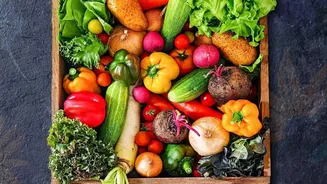
The foundation of a zero-waste kitchen begins before you even start cooking. Meal planning is one of the most effective strategies to reduce waste. Before heading to the store, take stock of your pantry and fridge. Plan your meals for the week and create a detailed shopping list with exact quantities. This simple habit prevents impulse buys and ensures you purchase only what you need. When possible, opt to buy loose fruits and vegetables instead of pre-packaged ones, allowing you to get the precise amount you require and reduce plastic packaging. Shopping more frequently for smaller quantities, like buying 250g of a vegetable twice a week instead of a full kilogram, can also prevent spoilage.
Mastering 'Root-to-Leaf' Cooking
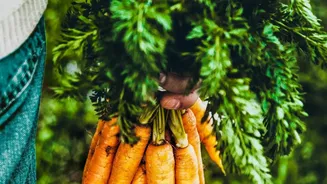
Indian culinary traditions have long embraced the philosophy of using every part of an ingredient, a practice now fashionably termed 'root-to-leaf' cooking. Many parts of vegetables we commonly discard are not only edible but also nutritious and delicious. For instance, cauliflower and broccoli stems can be chopped for stir-fries, coriander stems can be ground into chutneys, and beetroot leaves can be cooked like any other green leafy vegetable. Instead of throwing away peels from vegetables like carrots, potatoes, or bottle gourd, you can use them to make flavourful chutneys or add them to stocks. This approach maximises the value of your produce and minimises what ends up in the bin.
Get Creative with Scraps and Leftovers
A zero-waste mindset transforms 'scraps' into 'ingredients'. Keep a bag or box in your freezer for vegetable offcuts like onion skins, carrot tops, and mushroom stems. Once full, you can simmer these scraps with some basic spices to create a flavourful homemade vegetable stock for soups, dals, and curries. Stale bread can be turned into croutons or bread pudding, and leftover cooked rice can be the star of tomorrow's fried rice. The water from soaked lentils or boiled pasta is rich in nutrients and can be used as a base for soups or for kneading dough. Even citrus peels can be dried and powdered for flavouring or used to make pickles.
Closing the Loop with Composting
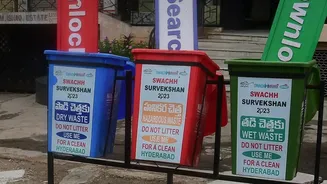
Even in the most efficient kitchen, some food scraps are unavoidable. Composting provides a sustainable solution for managing this organic waste, turning it into nutrient-rich fertiliser for your plants instead of sending it to a landfill. Composting at home doesn't have to be complicated; many compact solutions are available that are suitable for apartments and small spaces. By composting items like fruit and vegetable peels, coffee grounds, and eggshells, you directly reduce the amount of waste contributing to methane emissions in landfills and create a valuable resource for your garden or potted plants.