







The Journey Begins at the Source
The final price of festive staples like sugar, flour, and oil begins its journey in the fields. The cost for a farmer to produce a crop is the first link in the chain. This includes expenses for seeds, fertilisers, and labour. Unpredictable weather, such
as a weak monsoon or unseasonal rain, can severely impact crop yields, creating initial supply shortages that drive up raw material costs. Furthermore, government policies like the Minimum Support Price (MSP) set a floor for the prices of key commodities like wheat and rice. While designed to protect farmers, a significant hike in MSP can directly increase the base cost of these goods for everyone down the line.
The Middle-Path Markups
Once harvested, the produce moves to the next stage: procurement. This is where a complex network of middlemen, wholesalers, and government agencies purchase crops from farmers. Each intermediary adds their margin to the price. The produce is then transported to 'mandis' or wholesale markets, where it's sold to processors and large retailers. India's supply chain is known for having multiple layers, and each one contributes to the final cost without necessarily adding value. This fragmented system means that by the time a product leaves the wholesale market, its price has already increased substantially from the farm-gate price.
From Raw Goods to Packaged Products
After the wholesale market, raw commodities are sent to processing units. This is where wheat is milled into flour, oilseeds are crushed to produce edible oil, and pulses are cleaned and packaged. This stage introduces a new set of costs: manufacturing, electricity, packaging materials, and labour. Rising energy prices, for example, directly increase the operational cost of these factories. The cost of packaging materials, often linked to crude oil prices, is another significant factor that gets baked into the price of the final, branded product you see on supermarket shelves.
The High Cost of Moving Goods
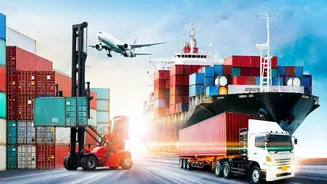
Logistics are a critical and costly component of the food supply chain. Transporting goods from a processing plant to a regional distribution centre and then to individual supermarkets across the country is a massive undertaking. Fuel prices are a major driver of these costs; when diesel prices rise, so does the cost of moving every single product. India's vast geography and sometimes inadequate road infrastructure, especially in rural areas, can lead to delays and increased transportation expenses, which are ultimately passed on to the consumer. Inefficient logistics and a lack of adequate cold storage facilities also contribute to spoilage and wastage, effectively reducing supply and putting upward pressure on prices.
The Festive Demand Squeeze
The festive season acts as a massive stress test on this entire supply chain. Demand for key ingredients like ghee, sugar, dry fruits, and specialty flours skyrockets as households prepare for celebrations. This surge puts immense pressure on a system that already has inherent bottlenecks. Transporters are in higher demand, warehouses are at capacity, and retailers are scrambling to keep shelves stocked. This intense, compressed demand can lead to temporary shortages, forcing retailers to pay more to secure inventory. Some of this increased cost is absorbed, but a significant portion is reflected in the final retail price. It’s a classic case of supply and demand economics playing out in a very short window.
The Final Stop: Your Supermarket Shelf
By the time a product lands on a supermarket shelf, its price reflects all the accumulated costs of its journey. This includes the raw material cost, intermediary margins, processing, packaging, and nationwide logistics. On top of this, the retailer adds their own markup to cover operational expenses like rent, employee salaries, electricity, and, of course, to make a profit. While retailers sometimes offer discounts to attract customers, the underlying cost of the product is significantly higher during the festive season due to the pressures at every preceding stage of the supply chain.