
An Art Gallery Without Walls
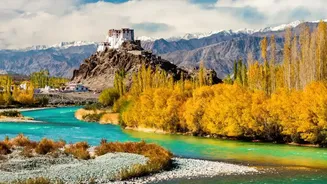
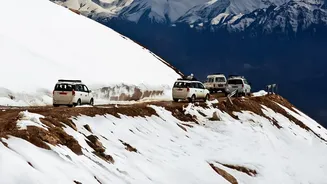
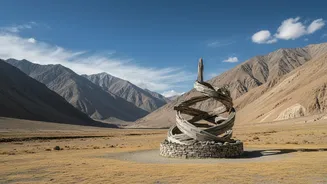
Forget traditional museums and climate-controlled galleries. A new initiative is transforming over 200 kilometres of the Leh-Kargil corridor into one of the world's most spectacular open-air art exhibitions. This art trail is a central feature of the sā
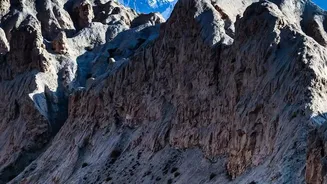
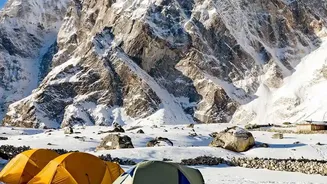
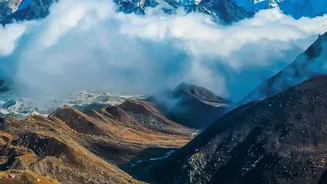
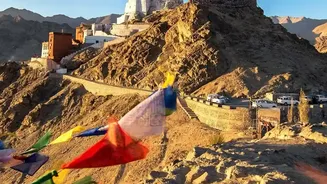
Ladakh Biennale, a festival running from August 1 to 10, 2026, that places contemporary art directly into the breathtaking Himalayan landscape. Instead of a single venue, artworks are scattered across eight locations, including Leh, Lamayuru, and Kargil, turning the journey itself into a cultural pilgrimage. The landscape is not just a backdrop; it is the gallery, inviting travellers to slow down and connect with both the art and the environment in a profound new way.
Art with a Conscience
This is more than just art for art's sake. The sā Ladakh Biennale is billed as the world's highest regenerative art biennale, a title that speaks to its core philosophy. The theme of the 2026 edition is "Signals from Another Star," bringing together artists from Ladakh, the rest of India, and countries like Germany and Australia. A key principle is that the art should emerge from the land itself. Installations are created using locally sourced, biodegradable, and recycled materials, with a focus on leaving the environment healthier than before. This approach tackles pressing themes like climate change, sustainability, and the preservation of indigenous knowledge, making each piece a conversation starter about Ladakh's fragile ecosystem.
A Collaborative Canvas
The project is a deeply collaborative effort. International artists are working hand-in-hand with local Ladakhi artists and communities, ensuring the works are rooted in the region's culture and traditions. In one village, an Australian ceramic artist collaborated with one of Likir's last traditional pottery families to create living clay vessels embedded with seeds. In another, a German-Indian artist duo transformed a pedestrian bridge in the Nurla Valley into a sound installation, using bells to create a new acoustic layer in the landscape. These collaborations ensure the art trail is not an imposition but an integration of global perspectives and local heritage, fostering a dialogue that resonates with residents and visitors alike.
The New Buzz in the Cold Desert
This innovative approach to culture and tourism is generating significant excitement and contributing to a travel boom in the region. In the first five months of 2026, Ladakh saw a surge of over 43% in tourist arrivals compared to the previous year, with May alone registering a 121% increase. While improved infrastructure and connectivity are major factors, unique cultural offerings like the biennale are helping to position Ladakh as more than just an adventure destination. By encouraging visitors to explore lesser-known villages and engage with the local culture on a deeper level, the art trail supports sustainable tourism, spreading its economic benefits beyond the usual hotspots and creating new opportunities for homestays and local businesses.